
COPD causes you to experience symptoms like persistent cough, shortness of breath, and wheezing, often due to smoking or exposure to lung irritants. The disease worsens over time, making it harder to breathe. Treatments include medications such as inhalers, lifestyle changes like quitting smoking, and pulmonary rehab to strengthen your lungs. Managing COPD requires ongoing care, but with the right steps, you can improve your quality of life. Keep exploring to learn more about controlling your condition.

Get health and wellness essentials delivered free — and shop member deals
- Fast, free delivery on millions of items
- Access to Prime Big Deal Days deals on October 6–7
- Prime Video, Amazon Music and more included
Key Takeaways
- COPD is a progressive lung disease causing breathing difficulty, often linked to smoking and lung irritant exposure.
- Symptoms include chronic cough, shortness of breath, wheezing, and mucus production.
- Causes primarily involve smoking, air pollution, and long-term exposure to lung irritants.
- Treatments include inhalers, bronchodilators, oxygen therapy, and pulmonary rehabilitation to improve lung function.
- Lifestyle changes like smoking cessation, regular exercise, and avoiding irritants help manage symptoms and slow progression.
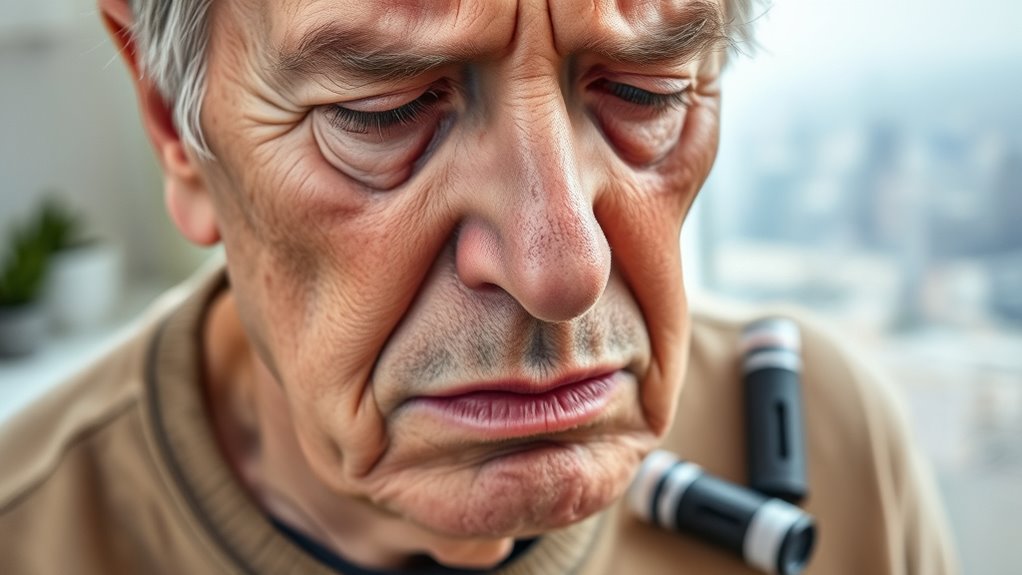
Are you aware of what COPD is and how it can affect your life? Chronic Obstructive Pulmonary Disease, or COPD, is a progressive lung condition that makes it hard to breathe. If you’re a smoker or have been exposed to lung irritants, understanding how to manage and treat COPD becomes essential. One of the most effective steps you can take is smoking cessation. Quitting smoking is the single most important thing you can do to slow the progression of COPD. When you stop smoking, you reduce further damage to your lungs, which can help improve your breathing and overall quality of life. It’s not always easy, but support from healthcare professionals, nicotine replacement therapy, or medications can make quitting more manageable. Remember, the sooner you stop, the better your chances of preserving lung function and reducing symptoms.
In addition to quitting smoking, pulmonary rehabilitation is a critical part of managing COPD. Pulmonary rehab programs are designed to strengthen your lungs and improve your ability to perform daily activities. These programs typically combine supervised exercise training, education about lung health, breathing techniques, and nutritional advice. By participating, you learn how to breathe more efficiently and manage symptoms like shortness of breath and fatigue. Pulmonary rehabilitation not only enhances physical endurance but also boosts your confidence in handling your condition. It’s a thorough approach that empowers you to take control of your health and prevent complications. Incorporating sound therapy techniques into your routine might also provide additional relief and relaxation.
If you’re diagnosed with COPD, your healthcare provider might recommend a combination of treatments tailored to your needs. Besides smoking cessation and pulmonary rehab, medications like inhalers or bronchodilators can open your airways and ease breathing. In some cases, supplemental oxygen might be necessary if your blood oxygen levels are low. Regular check-ups are essential for monitoring your condition and adjusting treatments as needed. Lifestyle changes such as staying active, maintaining a healthy diet, and avoiding lung irritants also play a key role in managing COPD. The key is to approach your treatment proactively—taking small, consistent steps to improve your lung health.
Living with COPD may seem overwhelming at first, but with the right strategies, you can greatly improve your breathing and quality of life. Quitting smoking is your first, most impactful move, and pulmonary rehabilitation offers ongoing support to strengthen your lungs and boost your confidence. Remember, managing COPD is a journey, and each step you take can make a meaningful difference. With proper care and lifestyle adjustments, you can continue to enjoy daily activities and maintain your independence. The important thing is to stay committed and work closely with your healthcare team to develop a plan that best suits your needs.
As an affiliate, we earn on qualifying purchases.
Frequently Asked Questions
Can COPD Be Prevented?
Yes, you can help prevent COPD by making lifestyle modifications like quitting smoking and avoiding exposure to environmental triggers such as pollution, dust, and fumes. Staying away from these irritants reduces your risk of developing the disease. Regular exercise, a healthy diet, and routine check-ups also support lung health. By actively managing these factors, you lower your chances of COPD and promote better respiratory well-being.
How Is COPD Diagnosed?
You’ll likely undergo spirometry testing to diagnose COPD, which measures how much air you can exhale and how quickly. Your doctor also assesses your symptoms, like coughing or shortness of breath, and reviews your medical history. This combination helps confirm the diagnosis. Be honest about your symptoms and smoking history to guarantee accurate results. Early diagnosis allows you to start treatment and manage symptoms effectively.
Are There Any Natural Remedies for COPD?
You might find some relief with natural remedies like herbal supplements and breathing exercises. Herbal supplements such as ginger or licorice can support your lung health, but always check with your doctor first. Breathing exercises, like diaphragmatic or pursed-lip breathing, can help improve airflow and reduce shortness of breath. Remember, these remedies shouldn’t replace medical treatment but can complement your overall management plan.
What Are the Latest Advancements in COPD Treatment?
Think of your lungs as a fragile yet resilient garden; recent advancements act like skilled gardeners tending to it. You now have access to innovative medications that target inflammation more effectively and pulmonary rehabilitation programs that strengthen your breathing muscles. These advancements help you regain control, improve your quality of life, and breathe easier. Stay hopeful—you’re not alone in this journey, and cutting-edge treatments continue to bloom, offering new hope every day.
How Does COPD Affect Daily Life and Activities?
Living with COPD means breathlessness that can limit your daily activities. You might find simple tasks, like walking, climbing stairs, or even talking, become more challenging. This impact on your daily routines can lead to frustration and fatigue. You may need to plan ahead, take breaks, or modify activities to manage symptoms. Despite these challenges, with proper treatment, you can still maintain a meaningful, active life.
pulmonary rehabilitation equipment
As an affiliate, we earn on qualifying purchases.
As an affiliate, we earn on qualifying purchases.
Conclusion
Understanding COPD is like steering through a tricky maze—you need to know the signs, causes, and treatments to find your way out. By recognizing symptoms early and making lifestyle changes, you can breathe easier and take control of your health. Remember, managing COPD is a journey, not a sprint, and every step counts. Stay informed, stay proactive, and don’t hesitate to seek medical help—your lungs will thank you like a garden blooming after a storm.
As an affiliate, we earn on qualifying purchases.
As an affiliate, we earn on qualifying purchases.
Fall Picks
fall essentials
As an affiliate, we earn on qualifying purchases.