By choosing foods rich in probiotics, fiber, and omega-3s, you can actively support your gut-brain axis, which influences your mood, cognition, and stress levels. Incorporating probiotic-rich foods like yogurt and sauerkraut, along with fiber from fruits, vegetables, and whole grains, helps nourish your gut bacteria and boost neurotransmitter production. Small, consistent dietary habits can considerably improve your emotional stability and mental clarity—if you continue exploring, you’ll learn more about how to optimize your gut health for better mood and resilience.

Get health and wellness essentials delivered free — and shop member deals
- Fast, free delivery on millions of items
- Access to Prime Big Deal Days deals on October 6–7
- Prime Video, Amazon Music and more included
Key Takeaways
- Dietary choices influence gut microbiota, which in turn impacts mood, behavior, and mental health via the gut-brain axis.
- Consuming probiotic-rich foods like yogurt and kimchi supports beneficial bacteria that produce mood-regulating neurotransmitters.
- Dietary fiber nourishes gut bacteria, promotes SCFA production, and enhances gut barrier function, improving overall mental wellbeing.
- Omega-3 fatty acids increase microbiome diversity and strengthen gut-brain communication pathways, supporting mood and cognitive health.
- Sustained, small dietary adjustments enhance microbiome balance, reduce inflammation, and promote resilience to stress and mental clarity.
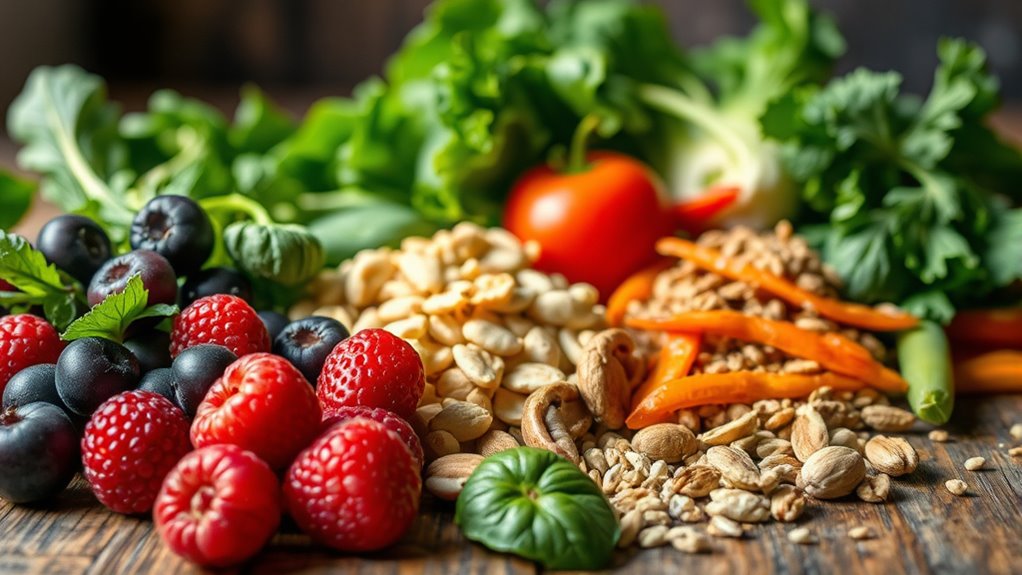
The gut-brain axis is a complex communication network that links your digestive system with your brain, influencing mood, behavior, and overall mental health. When you pay attention to what you eat, you can actively shape this connection. Two key dietary strategies are probiotic supplementation and increasing your dietary fiber intake, both of which play crucial roles in maintaining a healthy gut-brain axis.
Probiotic supplementation involves introducing beneficial bacteria into your gut. These live microorganisms help balance your gut microbiota, which is essential for optimal communication between your gut and brain. When your microbiome is diverse and balanced, it produces more neurotransmitters like serotonin and gamma-aminobutyric acid (GABA), which directly impact your mood and anxiety levels. You might consider taking probiotic supplements that contain strains like Lactobacillus and Bifidobacterium, but it’s also effective to include probiotic-rich foods such as yogurt, kefir, sauerkraut, and kimchi in your diet. Regularly adding these foods can help sustain a healthy microbiome, leading to improved mental clarity and emotional stability.
Introducing beneficial bacteria through probiotics supports a healthy microbiome and enhances mood and mental clarity.
Alongside probiotics, dietary fiber intake is vital for gut health. Fiber acts as a prebiotic, providing nourishment for the beneficial bacteria in your gut. When you consume enough fiber-rich foods like fruits, vegetables, whole grains, and legumes, you foster a thriving microbiota. A healthy microbiome, in turn, produces short-chain fatty acids (SCFAs) that strengthen your gut barrier, reduce inflammation, and promote the production of mood-regulating neurotransmitters. Increasing fiber intake doesn’t mean overhauling your diet overnight; start by adding a handful of berries or a slice of whole-grain bread to your meals. Over time, this habit supports the growth of beneficial bacteria, which can lead to better stress resilience and improved mental health.
Additionally, research shows that certain dietary components, like omega-3 fatty acids, can further support microbiota diversity and enhance your gut-brain communication pathways. Together, probiotic supplementation and dietary fiber intake form a synergistic approach to modulating your gut-brain axis. They promote a balanced microbiome, which is essential for the production of mood-enhancing chemicals and reducing inflammation that might impair cognitive function. You’ll notice that small, consistent dietary changes can make a significant difference in your overall mental wellbeing. By actively choosing foods that support your gut bacteria, you’re not just fueling your body but also nurturing the intricate communication pathways that influence your mood, stress levels, and mental clarity. This proactive approach to diet empowers you to take control of your mental health through simple, sustainable nutritional choices.
probiotic supplements for gut health
As an affiliate, we earn on qualifying purchases.
As an affiliate, we earn on qualifying purchases.
Frequently Asked Questions
Can Specific Foods Instantly Improve Gut-Brain Communication?
While no foods give instant results, eating fermented foods and dietary fibers can quickly support your gut-brain communication over time. Fermented foods like yogurt and kimchi introduce beneficial probiotics, and dietary fibers from fruits, vegetables, and whole grains nourish your gut bacteria. Consistently incorporating these foods helps improve gut health, which in turn enhances your brain function and mood. Remember, lasting benefits come from regular, balanced choices.
Are Supplements More Effective Than Diet Changes for Gut-Brain Health?
Supplements can offer targeted support, but dietary diversity often provides better overall gut-brain health. You benefit from supplement synergy when combining probiotics and prebiotics, yet a varied diet supplies a broader range of nutrients and fiber essential for gut microbiome balance. While supplements can fill gaps, focusing on diverse, nutrient-rich foods helps maintain a resilient gut-brain connection naturally and sustainably over time.
How Does Stress Influence Gut Microbiota and Vice Versa?
Stress impacts your gut microbiota by reducing its diversity, which can weaken your overall gut health. When you’re stressed, your microbiota diversity declines, making it harder for your gut to function properly. Conversely, an imbalanced microbiota can increase stress levels by affecting neurotransmitter production. You can break this cycle by managing stress and supporting microbiota diversity through diet, exercise, and relaxation techniques, ultimately improving your gut-brain health.
Is Gut Health Linked to Mental Health Disorders Like Anxiety?
Yes, gut health is linked to mental health disorders like anxiety. When your microbiota diversity decreases, serotonin production can drop, affecting your mood and anxiety levels. You can improve this connection by focusing on a balanced diet that supports your gut. Enhancing microbiota diversity boosts serotonin, promoting mental well-being. So, taking care of your gut isn’t just about digestion—it’s about nurturing your mind as well.
Can Gut-Brain Axis Modulation Prevent Neurodegenerative Diseases?
Yes, you can potentially prevent neurodegenerative diseases through gut-brain axis modulation. By adopting neuroprotection strategies that promote microbiota diversity, you support a healthy gut environment, which in turn benefits your brain health. A diverse microbiota helps reduce inflammation and supports neural function, potentially lowering your risk of conditions like Alzheimer’s and Parkinson’s. Focusing on diet, probiotics, and lifestyle changes can effectively enhance microbiota diversity and contribute to long-term neuroprotection.
As an affiliate, we earn on qualifying purchases.
Conclusion
By harnessing the power of your diet, you can reveal the secret to transforming your gut and brain health like never before. Imagine turning your daily meals into a superweapon that battles stress, anxiety, and mood swings, all while boosting your memory and focus to superhero levels. Your food choices aren’t just fuel—they’re the master key to a mind and gut so perfectly in sync, they could outdo even the most advanced medical breakthroughs. The future of your well-being is in your hands!
As an affiliate, we earn on qualifying purchases.
As an affiliate, we earn on qualifying purchases.
Fall Picks
fall essentials
As an affiliate, we earn on qualifying purchases.