Personalized nutrition uses your genetic makeup and microbiome to create a diet tailored specifically for you. By analyzing your genes, it reveals how your body absorbs nutrients and any health risks you might have. Microbiome data shows your gut bacteria’s diversity and balance, guiding you to foods that support digestion and immune function. Combining these insights helps craft smarter, more effective food choices that boost your well-being—discover how your unique profile can improve your health.
Key Takeaways
- Genetic testing reveals individual variations affecting nutrient absorption, metabolism, and predispositions to certain health conditions.
- Microbiome analysis identifies gut bacteria imbalances, guiding targeted dietary strategies to improve digestion and immune function.
- Combining genetic and microbiome data offers a comprehensive view for personalized diet plans that optimize health outcomes.
- Personalized nutrition enables real-time adjustments based on body responses, enhancing energy, digestion, and disease prevention.
- Advances in technology and research continue to refine diet customization, making personalized nutrition a proactive approach to health management.
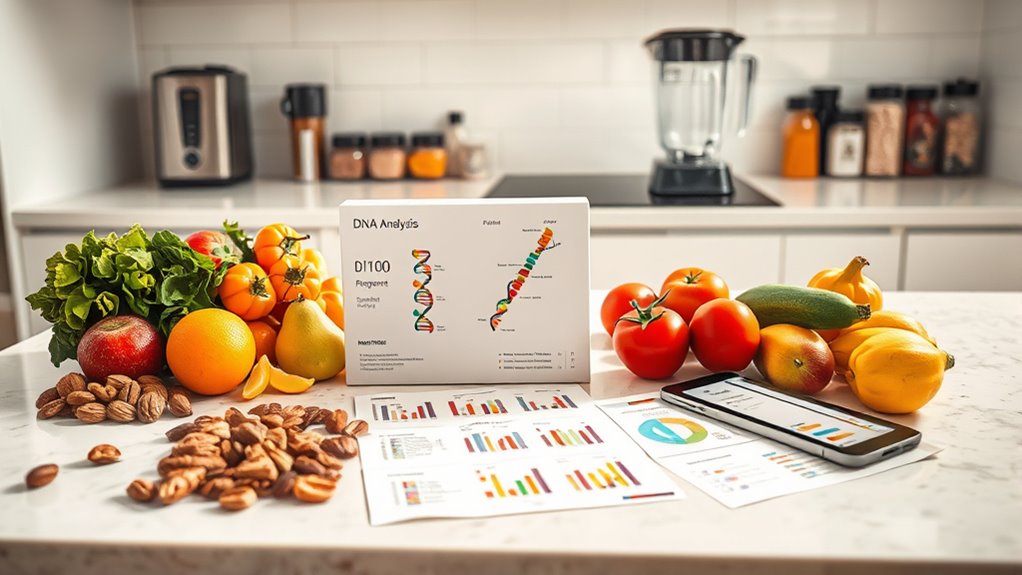
Personalized nutrition is transforming the way you approach health by tailoring dietary choices to your unique genetic makeup, lifestyle, and preferences. Instead of generic advice, you now have the opportunity to understand how your body responds to specific foods, thanks to advancements like genetic testing and microbiome analysis. Genetic testing reveals your individual genetic variations that influence nutrient absorption, metabolism, and even your risk for certain health conditions. For example, some people process caffeine more quickly, while others are more prone to lactose intolerance. Armed with this information, you can make smarter food choices that align with your biology, reducing unnecessary discomfort and optimizing your well-being.
Equally important is microbiome diversity, which refers to the vast array of microorganisms living in your gut. Your microbiome plays a critical role in digestion, immune function, and even mood regulation. By analyzing the composition and diversity of your gut bacteria, you can identify imbalances or deficiencies that might be affecting your health. For instance, a less diverse microbiome has been linked to issues like inflammation, obesity, and digestive problems. When you understand your microbiome profile, you can adopt targeted dietary strategies to enhance beneficial bacteria—such as consuming prebiotic foods like garlic, onions, and fiber-rich vegetables—thus promoting better digestion and overall health.
Combining genetic testing with microbiome analysis gives you a thorough picture of your body’s needs. You might discover, for example, that your genetic makeup predisposes you to low vitamin D levels, while your microbiome shows a lack of bacteria that help synthesize this vitamin. With this knowledge, you can tailor your diet and lifestyle to address these gaps, perhaps by increasing sun exposure or taking specific supplements. This personalized approach not only helps prevent deficiencies but also supports your body’s natural functions more effectively.
Moreover, understanding your microbiome diversity and genetics empowers you to avoid one-size-fits-all diets that often overlook individual differences. You can experiment with different foods and monitor how your body reacts, fine-tuning your diet in real-time. This proactive strategy enables you to optimize energy levels, improve digestion, and reduce the risk of chronic diseases. As research continues to evolve, the integration of genetic testing and microbiome analysis will become even more refined, giving you a powerful tool to take charge of your health through personalized nutrition.
Recent advancements in AI in Education, such as intelligent tutoring systems, are also beginning to personalize learning experiences, much like personalized nutrition tailors health plans to individual needs.
Frequently Asked Questions
How Affordable Are Personalized Nutrition Services?
Personalized nutrition services vary in cost, but they’re becoming more affordable as technology advances. You can find options that fit different budgets, especially when comparing costs of genetic and microbiome testing. Service availability is growing, making it easier for you to access these tailored plans. While some premium services may be pricier, many providers offer budget-friendly packages, so you can explore personalized nutrition without breaking the bank.
What Privacy Measures Protect Genetic and Microbiome Data?
Did you know 85% of people worry about data privacy? You’re protected through strict consent protocols that guarantee you control how your genetic and microbiome data are used. Plus, companies use advanced data encryption to secure your information from unauthorized access. By understanding these measures, you can confidently share your data, knowing your privacy is prioritized and protected every step of the way.
Can Personalized Diets Prevent Specific Chronic Diseases?
Yes, personalized diets can help prevent specific chronic diseases by addressing your genetic predispositions and enhancing microbiome diversity. When you tailor your diet based on your genetic and microbiome data, you support better nutrient absorption, reduce inflammation, and promote overall health. This targeted approach can lower your risk of conditions like diabetes, heart disease, and obesity, giving you a proactive way to manage your health effectively.
How Often Should Microbiome and Genetic Tests Be Updated?
You should update your microbiome and genetic tests every 6 to 12 months, depending on your health changes and lifestyle. Regular data update intervals allow you to track your body’s responses to diet and environment shifts accurately. Test frequency is essential for maintaining personalized nutrition plans, ensuring your data stays current, and helping you make informed decisions to optimize your health and prevent potential issues.
Are Personalized Nutrition Plans Suitable for Children?
Think of personalized nutrition plans as a tailor-made suit—it’s possible, but you need to guarantee it fits well. For children, these plans can support healthy growth and ideal pediatric nutrition, but they should be used carefully. Always consult a pediatrician or a nutrition expert who can adapt recommendations to your child’s development, making sure their diet nurtures growth without unnecessary restrictions. This way, you’re guiding their health journey confidently.
Conclusion
As you embrace personalized nutrition, think of your genes and microbiome as the compass and map guiding your journey. Each choice becomes a step toward harmony within, a melody woven from your unique biological notes. Trust this inner symphony to steer you through the maze of diets and trends, lighting your path like a lighthouse in the night. Ultimately, your health blossoms when you listen closely to the quiet whispers of your body’s own story.