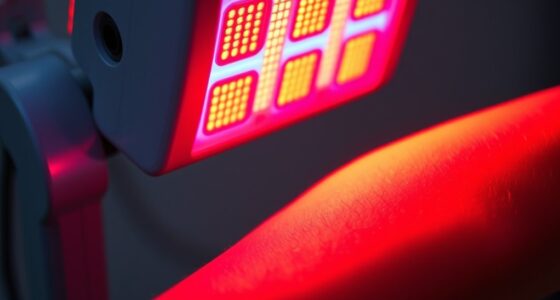
Red light therapy uses specific red and near-infrared wavelengths to promote skin healing, reduce inflammation, and improve your skin’s appearance. It stimulates cellular activity and boosts natural repair processes through photobiomodulation, leading to smoother skin, fewer wrinkles, and a more even complexion. It’s generally safe with minimal side effects when used properly, especially with quality devices. Stay with us to uncover more about how this innovative treatment can benefit you and what the evidence says.
Key Takeaways
- Red light therapy uses specific wavelengths to stimulate cellular repair, promoting skin health, healing, and collagen production.
- Evidence suggests benefits for skin rejuvenation, reduced wrinkles, and improved complexion through enhanced cellular activity.
- It is generally safe with minimal side effects when used correctly; eye protection and professional guidance are recommended.
- The therapy supports tissue regeneration and reduces inflammation via photobiomodulation, aiding faster healing.
- Proper device use and consultation with healthcare providers ensure safety and maximize treatment effectiveness.
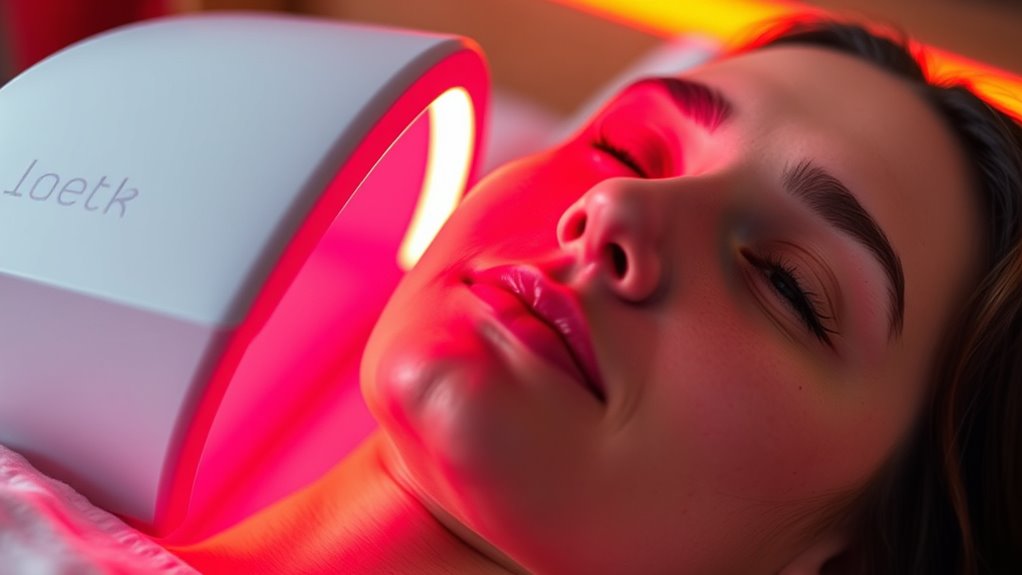
Red Light Therapy is a popular treatment that uses specific wavelengths of red and near-infrared light to promote healing and improve skin health. When you undergo this therapy, the light penetrates your skin, stimulating cellular activity and encouraging natural repair processes. One of the main reasons people turn to red light therapy is its photobiomodulation benefits, which refer to how light energy influences cellular function. This process helps increase blood flow, reduce inflammation, and boost collagen production, leading to healthier skin and faster healing. Many users report smoother skin, reduced wrinkles, and a more even complexion after consistent treatments.
As you consider red light therapy, safety considerations should be at the forefront of your mind. Fortunately, this therapy is generally safe when performed correctly. Unlike some invasive procedures, red light therapy doesn’t involve chemicals or drugs, minimizing the risk of adverse reactions. However, it’s important to follow recommended guidelines, such as avoiding exposure to the eyes without proper eye protection, since the intense light can cause damage if viewed directly. Additionally, if you have a history of skin cancer or other serious skin conditions, consulting a healthcare professional before starting treatment is wise. While side effects are rare, some individuals might experience mild redness or irritation immediately after a session, which usually subsides quickly. Regular use can also improve skin texture and overall appearance, making it a popular non-invasive skincare option.
The safety considerations extend to understanding the equipment used. Professional-grade devices are calibrated to deliver the correct wavelength and intensity, reducing the risk of burns or tissue damage. If you’re using at-home devices, make sure they’re FDA-approved or meet safety standards. Proper usage instructions are essential to prevent overexposure, which could lead to discomfort or adverse effects. It’s also advisable to limit treatment sessions in the beginning, gradually increasing frequency as your body adapts. Moreover, understanding device specifications and proper maintenance can help ensure safe and effective treatments.
Frequently Asked Questions
Are Red Light Therapy Devices Safe for Children?
Red light therapy devices are generally not recommended for children due to concerns about pediatric safety and potential effects on child development. You should consult a healthcare professional before considering this treatment for your child, as their developing tissues may be more sensitive to light exposure. It is crucial to prioritize safety and make certain any therapy aligns with pediatric guidelines to prevent unintended harm during critical growth periods.
How Long Does It Take to See Results?
You might see visible improvements after several treatment sessions, but the exact treatment duration varies depending on your condition. Generally, you can expect to notice changes within a few weeks of consistent red light therapy. Keep in mind that individual responses differ, so patience is key. Regular sessions optimize results, and some people experience faster improvements while others may need more time before seeing benefits.
Can Red Light Therapy Replace Traditional Treatments?
Red light therapy can complement traditional treatments but shouldn’t replace them entirely. It’s considered an alternative therapy that may enhance your recovery or symptom management. You should consult your healthcare provider to discuss integrating red light therapy into your treatment plan. While it offers promising benefits, treatment integration ensures you get thorough care, combining proven methods with supportive therapies like red light therapy for the best outcomes.
Are There Any Side Effects or Risks?
You should be aware that red light therapy generally has minimal side effects, but potential skin irritation can occur if you overuse it or have sensitive skin. Eye safety concerns are also important; avoid looking directly at the light without proper eye protection. While risks are low, it’s best to follow recommended guidelines and consult with a healthcare professional to minimize any adverse effects.
Is Red Light Therapy Effective for Skin Conditions?
Imagine your skin as a garden needing sunlight; red light therapy acts like gentle rays nurturing it. You’ll find it effective for skin conditions, promoting cosmetic improvements and skin rejuvenation. The therapy stimulates cell repair and collagen production, helping reduce wrinkles and scars. While results vary, many users experience visible benefits, making it a promising, non-invasive option for enhancing your skin’s health and appearance.
Conclusion
Red light therapy shines a promising light on your health journey, offering potential benefits like pain relief and skin rejuvenation. While the evidence is still budding, it’s worth exploring as a gentle, natural tool in your wellness toolkit. Think of it as a guiding star—bright and hopeful—leading you toward better well-being. Keep an open mind, stay informed, and let this therapy illuminate your path to health with patience and curiosity.