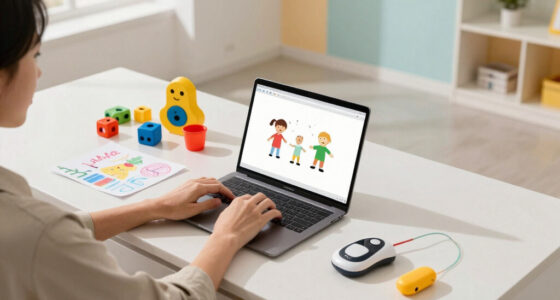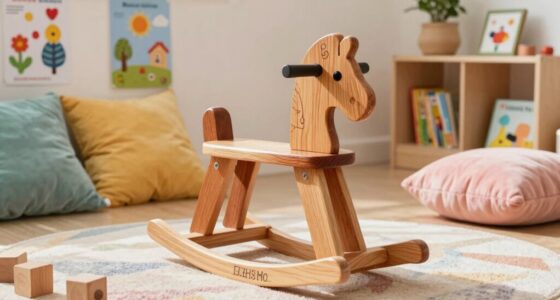

Boredom can support your healthy development by sparking your creativity, helping you reflect on emotions, and improving mental flexibility. When you experience boredom, your mind wanders, encouraging innovative thinking and problem-solving skills. It also gives you space to understand your feelings and build emotional resilience. Embracing boredom during downtime promotes personal growth, social connections, and cognitive strength. If you continue exploring, you’ll discover even more ways boredom can be a powerful tool for your growth.

Get health and wellness essentials delivered free with Prime
- Fast, free delivery on millions of items
- Prime Video, Amazon Music and more included
- Member-only deals all year
Key Takeaways
- Boredom sparks creativity by encouraging the mind to explore new ideas and engage in imaginative play.
- It promotes emotional regulation by helping individuals sit with feelings and develop self-awareness.
- Unstructured downtime supports mental resets, leading to insights and improved problem-solving skills.
- Shared boredom experiences can strengthen social bonds and foster communal creativity.
- Embracing boredom enhances brain flexibility, aiding long-term cognitive and personal growth.

Boredom often gets a bad rap, but it actually plays a crucial role in healthy development. When you feel bored, it’s not just a sign of inactivity; it’s an opportunity for your mind to wander and for your creativity to flourish. During these moments, you’re more likely to engage in creative play, which is essential for problem-solving, imagination, and innovation. Rather than rushing to find entertainment, embracing boredom allows you to explore new ideas or invent games from everyday objects. This kind of creative play fosters not only entertainment but also critical thinking skills and emotional resilience, helping you navigate life’s challenges with greater ease.
Furthermore, boredom serves as a natural catalyst for emotional regulation. When you’re bored, you’re encouraged to sit with your feelings rather than distract yourself constantly. This process helps you develop emotional awareness, recognizing what you’re feeling and why. As you learn to tolerate these feelings, you strengthen your ability to manage stress, frustration, or loneliness without immediately seeking external distractions. Over time, this enhances your emotional regulation, making you more adaptable and resilient in stressful situations. Boredom nudges you to reflect inward, offering space for self-awareness and personal growth that busy environments often suppress. Additionally, engaging with calm, unstructured moments can help your brain reset and reorganize, leading to new insights and interests that might not emerge amid constant stimulation. This mental reset is vital for fostering sustained creativity and problem-solving skills over time. Recognizing the value of boredom as a developmental tool can encourage a healthier relationship with downtime and solitude, especially when considering the importance of brain flexibility in overall growth. Moreover, understanding the social aspects of fandom can reveal how communal engagement during moments of boredom can foster social bonds and shared creativity.
creative drawing and storytelling kit for kids
As an affiliate, we earn on qualifying purchases.
As an affiliate, we earn on qualifying purchases.
Frequently Asked Questions
How Can Parents Effectively Manage Their Child’s Boredom?
You can effectively manage your child’s boredom by offering creative outlets like drawing, storytelling, or building projects, encouraging their imagination. Stay actively involved by asking questions and exploring their interests together, which keeps them engaged without constant entertainment. Avoid over-scheduling; instead, let them find joy in unstructured play. Your parental involvement fosters independence and resilience, helping your child learn to manage boredom constructively and develop essential problem-solving skills.
What Are Signs That Boredom Is Negatively Impacting a Child?
You should watch for signs like irritability, withdrawal, or difficulty focusing, which indicate boredom’s negative effects. Research shows prolonged boredom can hinder emotional regulation and social skills development. If your child becomes easily upset, avoids interactions, or struggles to manage feelings, boredom might be impacting them adversely. Recognizing these signs early helps you intervene and foster healthy emotional and social growth, preventing boredom from becoming a barrier to development.
Can Boredom Lead to Increased Creativity in Children?
Yes, boredom can lead to increased creativity in children. When you’re bored, you’re encouraged to engage in creative thinking, exploring new ideas and solutions on your own. This process helps develop emotional resilience, as children learn to manage their feelings of boredom and find ways to entertain themselves. Embracing boredom allows kids to build their imagination, problem-solving skills, and confidence, ultimately supporting healthy development.
How Does Boredom Influence a Child’s Problem-Solving Skills?
When boredom hits, you might think your child’s just wasting time. Actually, it’s sharpening their problem-solving skills by building cognitive resilience and emotional regulation. As they wrestle with boredom, they learn to entertain themselves and manage frustration. This quiet struggle encourages creative thinking and perseverance. So, next time they’re bored, remember: they’re secretly training their brain to tackle challenges with confidence and calm.
Are There Age Differences in How Boredom Affects Development?
Yes, age differences influence how boredom affects development. During early childhood, boredom triggers curiosity and creativity, promoting learning through play. In adolescence, it may cause frustration, but it also encourages self-reflection and independence. Developmental stage variations mean that emotional responses to boredom change with age, helping children develop coping skills suited to their growth. Understanding these differences allows you to support children’s emotional regulation and developmental progress effectively.
building blocks and construction toys for children
As an affiliate, we earn on qualifying purchases.
As an affiliate, we earn on qualifying purchases.
Conclusion
So, next time boredom hits, see it as a sign to explore your creativity and build resilience. Think of boredom as a blank canvas—an opportunity to paint new ideas and skills. Just like a gardener tends to a neglected plant, you can nurture your mind during these quiet moments. Embracing boredom helps you grow, adapt, and develop healthier habits. It’s not just empty time—it’s a chance to release your potential and thrive.
As an affiliate, we earn on qualifying purchases.
brain teaser puzzles for problem-solving
As an affiliate, we earn on qualifying purchases.
As an affiliate, we earn on qualifying purchases.
Cold & flu season Picks
humidifiers
As an affiliate, we earn on qualifying purchases.