
To tell if a toy supports development or is just for entertainment, check if it encourages active manipulation, exploration, and sensory engagement. Developmental toys promote fine motor skills, sensory awareness, and problem-solving through hands-on use. Look for multi-functional toys that invite children to explore and master skills, rather than those that simply flash lights or produce loud sounds with minimal interaction. Keep looking to discover more tips on choosing toys that truly support growth.

Get health and wellness essentials delivered free with Prime
- Fast, free delivery on millions of items
- Prime Video, Amazon Music and more included
- Member-only deals all year
Key Takeaways
- Assess if the toy encourages active manipulation, exploration, or problem-solving rather than passive observation.
- Check for multi-sensory features like textures, sounds, or visual stimuli that promote sensory processing.
- Determine if the toy supports skill development in fine motor control and sensory awareness.
- Look for versatility and multiple uses that foster long-term growth and engagement.
- Identify if the toy is static or overly stimulating without promoting meaningful interaction.
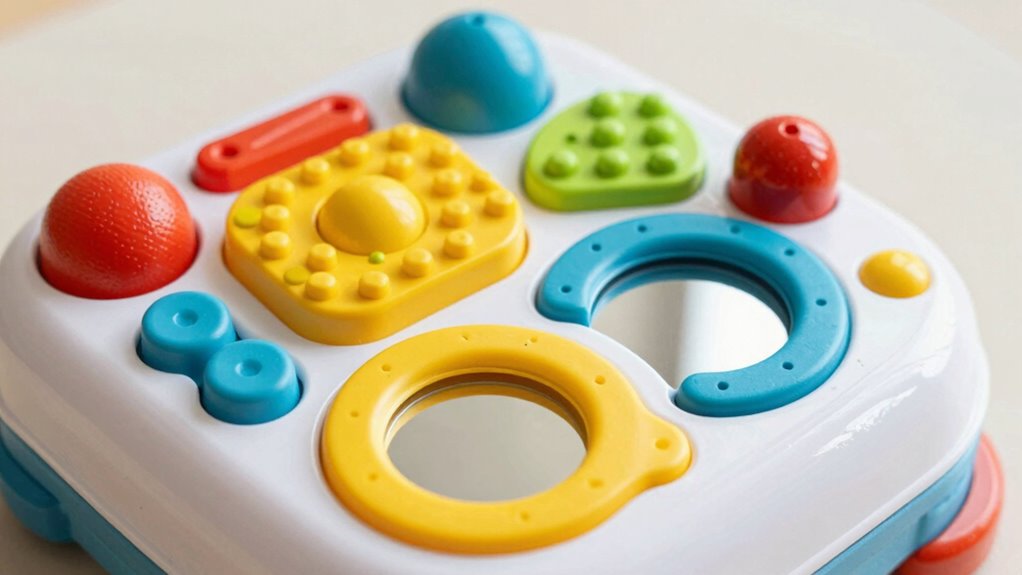
When choosing toys for a child, it’s important to distinguish between those that genuinely support development and those that are mainly for entertainment. Toys that foster growth often engage your child’s senses and help develop key skills, like fine motor control. Sensory play toys, such as textured balls, soft fabrics, or musical instruments, stimulate multiple senses—touch, sight, sound—and encourage exploration. These toys help children process sensory information, which is crucial for their overall development. If a toy invites your child to feel different textures, listen to various sounds, or observe vibrant colors, it’s likely designed to support sensory play and, in turn, build a foundation for learning.
Toys that engage senses and promote exploration build essential skills for lifelong learning.
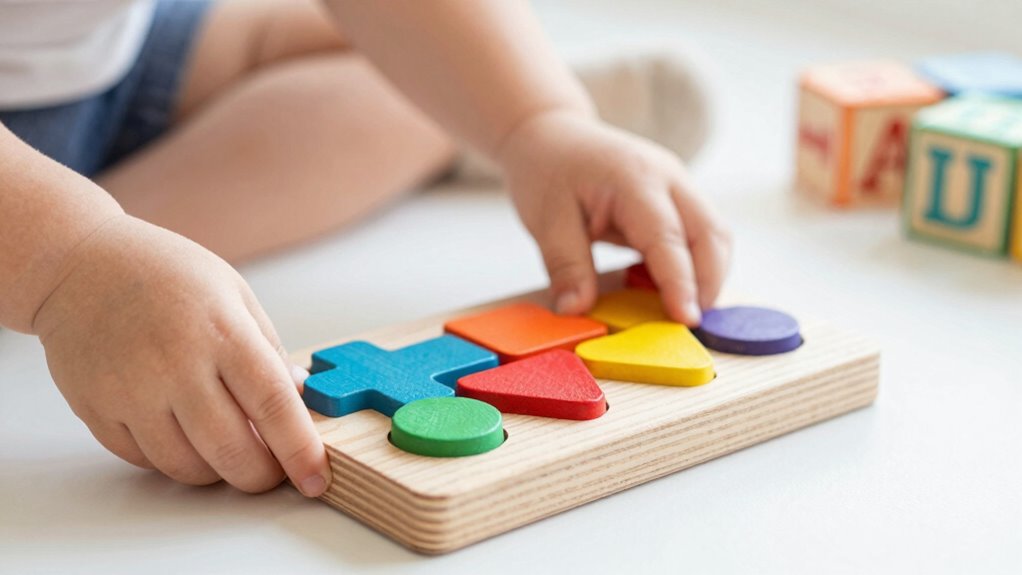
Equally important is how a toy promotes fine motor skills. Fine motor development involves small muscle movements, especially in the hands and fingers, and is essential for tasks like writing, buttoning clothes, or using utensils. Toys that challenge these skills include building blocks, lacing beads, or puzzles with small pieces. When a toy requires your child to grasp, pinch, manipulate, or coordinate hand-eye movements, it’s helping refine their fine motor abilities. These activities not only improve dexterity but also enhance concentration and problem-solving skills. Incorporating toys that encourage active manipulation can further enhance these skills, helping children learn through hands-on engagement. Additionally, such toys often promote problem-solving skills, which are fundamental for cognitive development. Recognizing the importance of sensory integration can guide you to select toys that truly support your child’s overall growth. Understanding how sensory input supports development can assist you in choosing toys that maximize developmental benefits and foster holistic growth.
On the other hand, toys made purely for entertainment tend to focus on immediate fun rather than skill development. They might feature flashing lights, loud sounds, or character figures that captivate without encouraging active participation. While these toys can be enjoyable, they don’t necessarily challenge your child’s senses or fine motor skills. If a toy’s main purpose seems to be to entertain with minimal interaction required, it probably isn’t supporting long-term developmental goals.
To tell the difference, ask yourself if the toy encourages your child to engage actively. Does it invite manipulation, exploration, or problem-solving? Does it help develop sensory awareness or fine motor control? Toys supporting development often have multiple uses and require your child to think, explore, and manipulate. They provide opportunities for hands-on interaction that foster growth rather than passive observation. In contrast, toys that are simple, static, or overly stimulating without promoting active engagement are more for entertainment.
Additionally, understanding how sensory input supports development can help you choose more effective toys. Ultimately, choosing toys that support development involves looking for those that stimulate the senses and challenge fine motor skills. These toys grow with your child, offering new opportunities for exploration and mastery. When you focus on these qualities, you’re not just giving your child something to pass the time—you’re helping them build essential skills that will serve them throughout life.
developmental sensory toys for toddlers
As an affiliate, we earn on qualifying purchases.
As an affiliate, we earn on qualifying purchases.
Frequently Asked Questions
Are All Educational Toys Suitable for Every Age Group?
Not all educational toys are suitable for every age group. You should always check age-appropriate guidelines to guarantee safety and developmental appropriateness. Safety considerations are vital, so look for toys that match your child’s age and skill level. Choosing the right toy helps promote learning without risking safety. Always supervise play and read labels carefully, confirming the toy aligns with your child’s current abilities and developmental stage.
How Can I Identify Toys That Promote Social Skills?
To identify toys that promote social skills, look for those that encourage role models and social interaction. Such toys often involve cooperative play, like board games or pretend sets, fostering communication and teamwork. They serve as gentle guides, inspiring children to mimic positive behaviors and engage with peers. These toys help children develop empathy, sharing, and negotiation skills, making social interactions more meaningful and enjoyable.
Do Developmental Toys Always Cost More Than Entertainment Toys?
Developmental toys don’t always cost more than entertainment toys. When you do a cost comparison, you’ll find that some educational toys are quite affordable, while certain entertainment-focused toys can be pricey. Price considerations depend on quality, brand, and features, so it’s wise to look beyond the price tag. Focus on how well the toy supports your child’s growth and enjoyment, rather than just its cost, to make the best choice.
Can a Toy Be Both Educational and Entertaining Simultaneously?
Yes, a toy can be both educational and entertaining, and studies show children benefit most from versatile toys. For example, a durable toy with sensory benefits engages multiple senses while lasting longer. These toys foster development and keep kids entertained simultaneously. When choosing, look for durability to withstand play and sensory elements that stimulate curiosity, ensuring your child gains both fun and developmental value from a single toy.
How Often Should I Replace or Upgrade My Child’s Toys?
You should replace or upgrade your child’s toys based on toy durability and safety concerns. Generally, inspect toys regularly for signs of wear, damage, or missing parts, and follow replacement guidelines from manufacturers. If a toy becomes unsafe or breaks easily, it’s time to get a new one. Keeping toys clean and checking for small parts helps prevent accidents, ensuring your child’s playtime remains safe and engaging.
fine motor skill building toys for children
As an affiliate, we earn on qualifying purchases.
As an affiliate, we earn on qualifying purchases.
Conclusion
So, next time you’re tempted to buy that glittery, noise-making toy, ask yourself: is it sparking their brain cells or just giving you a headache? Remember, a toy that truly supports development might not come with flashing lights or a price tag that rivals a small island. Instead, look for something that challenges their imagination, not just their eardrums. After all, a toy that entertains isn’t necessarily a toy that helps them grow—unless you’re counting your patience.
multi-sensory exploration toys for kids
As an affiliate, we earn on qualifying purchases.
As an affiliate, we earn on qualifying purchases.
educational toys for cognitive development
As an affiliate, we earn on qualifying purchases.
As an affiliate, we earn on qualifying purchases.
Halloween Picks
halloween
As an affiliate, we earn on qualifying purchases.