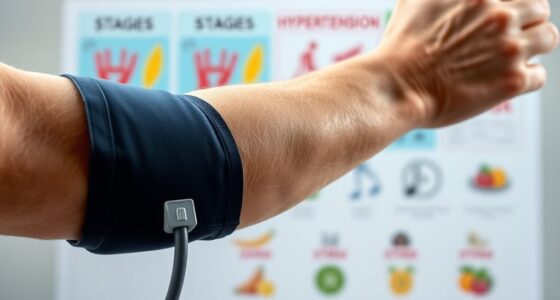

The rising prevalence of chronic diseases in young adults is driven by lifestyle habits like poor diet, sedentary behavior, smoking, and excessive alcohol use. Mental health issues such as stress and depression also play a role, affecting both physical health and lifestyle choices. This shift shows how early these conditions are surfacing, often linked to mental wellness and daily routines. If you want to understand what you can do to protect yourself, keep exploring these interconnected factors.
Key Takeaways
- Chronic diseases are increasingly affecting young adults due to early lifestyle and mental health factors.
- Sedentary habits, poor diet, smoking, and alcohol use contribute to early disease development.
- Mental health issues like stress and depression elevate physical health risks among young populations.
- Interconnected lifestyle and mental health challenges create a cycle that accelerates disease onset.
- Early awareness and holistic prevention strategies are essential to combat rising chronic disease rates in youth.

Although chronic diseases are often associated with older adults, they increasingly affect young adults as well. You might think of chronic conditions as problems that develop later in life, but recent trends show that many young adults are now facing these health challenges. This shift is partly due to changes in lifestyle habits and the growing impact of mental health issues, which can both contribute to the onset of chronic diseases.
Your lifestyle habits play a essential role in the development of chronic conditions. Sedentary behavior, poor diet, smoking, and excessive alcohol consumption are common among young adults and greatly increase the risk of diseases like diabetes, hypertension, and cardiovascular problems. When you spend hours sitting at a desk or glued to your phone, you’re not just wasting time—you’re also compromising your physical health. Eating high-calorie, processed foods and skipping regular exercise creates a perfect storm for health issues to develop early. These habits can seem harmless or convenient in the moment, but over time, they set the stage for chronic illness.
Sedentary habits and poor diet in young adults increase early risk of chronic diseases.
Mental health is another key factor influencing the rise of chronic diseases among young adults. Anxiety, depression, and chronic stress are more prevalent than ever, often exacerbated by fast-paced lifestyles, social pressures, and uncertain futures. These mental health struggles don’t just affect your mood; they can directly impact your physical health. For example, stress triggers hormonal responses that can raise blood pressure and cause inflammation, both linked to chronic illnesses. Depression can lead to decreased motivation to exercise or eat healthily, further worsening your physical health. Ignoring mental health can therefore create a vicious cycle where emotional struggles contribute to physical ailments, which in turn worsen mental health. Additionally, the rise of sedentary lifestyles and increased screen time further contribute to physical inactivity, compounding health risks.
Recognizing the interplay between mental health and lifestyle habits is essential. When you prioritize mental well-being, you’re more likely to make healthier choices. Incorporating stress management techniques, seeking support when needed, and maintaining a balanced lifestyle can reduce your risk of developing chronic diseases. Small changes—like taking regular breaks from screens, choosing nutritious foods, staying physically active, and fostering social connections—can make a big difference. It’s important to view health holistically; your mental and physical health are interconnected, and nurturing both can help prevent the early onset of chronic conditions.
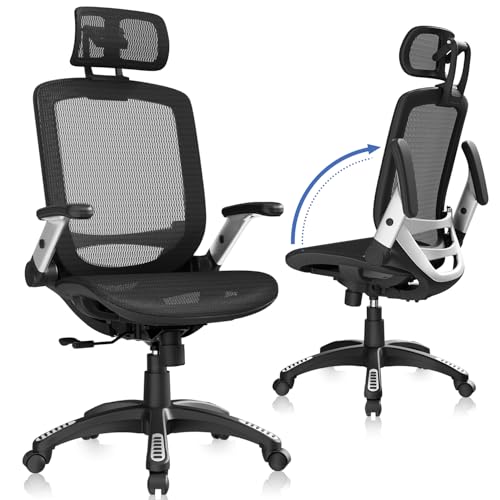
GABRYLLY Ergonomic Office Chair, High Back Home Desk Chair with Headrest, Flip-Up Arms, 90-120° Tilt Lock and Wide Cushion, Big and Tall Mesh Chairs for Man Woman, Black Task Chair
【ERGONOMIC OFFICE CHAIR】- The ergonomic chair provides 4 supporting points(head/ back/ hips/ hands) and a proper lumbar support….
As an affiliate, we earn on qualifying purchases.
As an affiliate, we earn on qualifying purchases.
Frequently Asked Questions
What Are the Most Common Chronic Diseases Affecting Young Adults?
You’re most likely to encounter chronic diseases like asthma, diabetes, and hypertension, which are influenced by genetic predispositions and lifestyle factors. Your habits, such as poor diet, lack of exercise, and stress, play a significant role in developing these conditions. By making healthier choices and managing genetic risks, you can reduce your chances of facing these common chronic diseases early in life.
How Early Can Chronic Diseases Develop in Young Adults?
Imagine catching a faint shadow lurking early in your life; that’s how soon chronic diseases can develop in young adults. Early diagnosis depends on recognizing risk factors like poor diet, inactivity, or genetics. Sometimes, symptoms are subtle or mistaken for normal fatigue. Addressing these early signs helps prevent long-term health issues, so stay vigilant and consult your doctor if you notice persistent changes or risk factors.
Are Lifestyle Changes Enough to Prevent Chronic Diseases in Youth?
Lifestyle changes like diet modification and increased physical activity can markedly reduce your risk of developing chronic diseases in youth. While they are powerful tools, they might not be enough alone. To effectively prevent chronic conditions, you should also focus on managing stress, avoiding tobacco, limiting alcohol, and maintaining regular health check-ups. A holistic approach combining these habits offers the best chance of staying healthy long-term.
What Role Does Genetics Play in Young Adult Chronic Illnesses?
Imagine your body’s blueprint, where genetic predisposition and hereditary factors shape your health landscape. Genetics play a significant role in young adult chronic illnesses, acting like invisible threads woven into your DNA. While lifestyle choices influence health, your genes set the foundation, determining susceptibility to conditions like diabetes or heart disease. Recognizing this, you can focus on personalized prevention, understanding that your hereditary background influences your health journey.
How Can Young Adults Improve Early Detection of Chronic Diseases?
You can improve early detection of chronic diseases by participating in screening programs regularly and staying informed through health education. Make appointments for routine checkups, even if you feel healthy, and ask your healthcare provider about specific screenings relevant to your age and risk factors. Educating yourself on symptoms and risk factors helps you recognize issues early, ensuring timely intervention and better long-term health outcomes.

Coping Skills Cards for Anxiety & Stress Relief – Mindfulness, Meditation & Self-Care Tools for Trauma, BPD, DID, PTSD | Mental Health Therapy Gift for Adults & Teens
Helps Manage Emotional Distress and Crisis: Specifically designed to alleviate panic attacks, flashbacks, trauma recollections, anxiety, stress, dissociation,…
As an affiliate, we earn on qualifying purchases.
As an affiliate, we earn on qualifying purchases.
Conclusion
As you navigate your twenties and thirties, remember that chronic diseases are like shadows lurking in the background—easily brushed off but growing closer if ignored. By making healthier choices now, you can steer clear of their grip and keep your future bright. Think of your habits as the steady drumbeat guiding you forward; each positive step is a rhythm that keeps those shadows at bay. Take charge today, and shape a healthier, more vibrant tomorrow.

GoodCook Meal Prep Containers Set Microwave & Dishwasher-Safe Round Food Organizers with Labeled Compartments BPA-Free Food Storage Set with Snap Shut Lids Portion Control, 10-Pieces, Red
SET OF 10 DIVIDED FOOD STORAGE CONTAINER SET: This food storage set includes 10 containers that offer an…
As an affiliate, we earn on qualifying purchases.
As an affiliate, we earn on qualifying purchases.

Smart Watch (Answer/Make Calls), 1.91"HD Smartwatch for Men Women Heart Rate/Sleep Monitor/Pedometer, 2026 New Fitness Watch with 113+ Sport Modes, Activity Tracker IP68 Waterproof for Android iOS
Bluetooth 5.3 Call and Message Reminder: The watches for women adopt bluetooth 5.3 version for a faster and…
As an affiliate, we earn on qualifying purchases.
As an affiliate, we earn on qualifying purchases.