Busy activities are structured, adult-directed tasks like lessons or screen time that focus on repetition and rote learning. Creative play, on the other hand, is child-led and encourages imagination, problem-solving, and emotional expression. While busy activities promote specific skills, creative play helps develop cognitive, social, and emotional growth more deeply. If you keep exploring, you’ll discover how balancing both can support your child’s overall development and well-being.

Get health and wellness essentials delivered free with Prime
- Fast, free delivery on millions of items
- Prime Video, Amazon Music and more included
- Member-only deals all year
Key Takeaways
- Busy activities are structured, adult-led, and task-focused, while creative play is child-led and encourages imagination.
- Busy activities often involve repetitive drills and lessons, whereas creative play promotes problem-solving and deep thinking.
- Parental involvement in busy activities is instructional, while in creative play, parents support without directing, fostering independence.
- Creative play enhances emotional, social, and cognitive development more holistically than routine busy activities.
- Busy activities support rote learning, but creative play allows open-ended exploration and emotional expression.
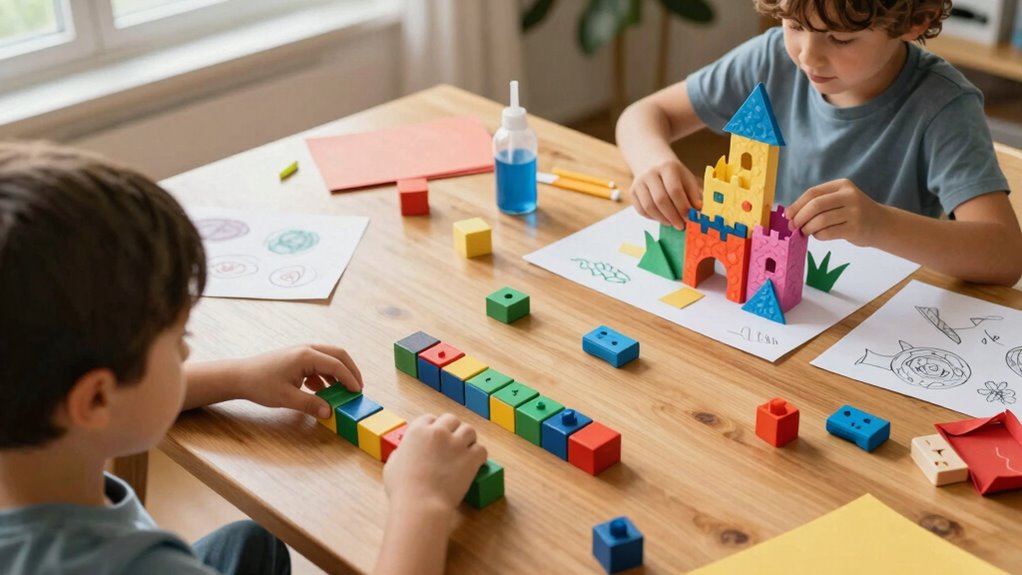
Many parents and caregivers often confuse busy activities with creative play, but understanding the difference can considerably impact a child’s development. Busy activities tend to be structured, adult-directed, and often focus on completing specific tasks or occupying a child’s time. These can include things like filling a child’s day with lessons, screen time, or repetitive drills. While they might keep a child occupied, they don’t necessarily promote deep thinking or emotional growth. Creative play, on the other hand, is child-led and encourages imagination, problem-solving, and emotional expression. When you allow your child the freedom to explore their ideas and invent scenarios, you’re fostering their creativity and independence. The role of open-ended project-based activities can further enhance a child’s ability to think critically and independently. Parental involvement plays a key role in supporting both types of activities, but especially in nurturing creative play. Instead of hovering or directing every moment, your role should be more about setting up open-ended opportunities that invite exploration. For example, providing a box of art supplies, building blocks, or costumes encourages your child to create their own stories and worlds. Your encouragement and interest can boost their confidence and motivation, making the experience more engaging. When you let children take the lead, they develop a sense of agency and learn to trust their instincts and ideas. Additionally, understanding developmental benefits helps caregivers tailor activities that promote well-rounded growth. The developmental benefits of creative play are extensive. It helps children develop cognitive skills like critical thinking and problem-solving. It also enhances language development as they narrate their stories or describe their creations. Social skills improve when children engage in pretend play with peers, learning cooperation, negotiation, and empathy. Emotionally, creative play allows children to process feelings and anxieties in a safe space, building resilience and self-awareness. Incorporating opportunities for imaginative exploration can further deepen their emotional and social development. Engaging in such activities also supports the development of resilience, as children learn to navigate setbacks and adapt their ideas through trial and error. Recognizing the importance of emotional growth can help caregivers create more balanced routines that support overall well-being. In contrast, busy activities often focus on rote learning or physical tasks, which, while beneficial in moderation, don’t provide the same depth of developmental growth.
open-ended art supplies for kids
As an affiliate, we earn on qualifying purchases.
As an affiliate, we earn on qualifying purchases.
Frequently Asked Questions
How Can Parents Encourage More Creative Play at Home?
You can encourage more creative play at home by providing open-ended materials like art supplies, dress-up clothes, and natural objects for sensory exploration. Engage your child in imaginative storytelling, prompting them to invent stories or scenarios with their toys or drawings. Avoid overly structured activities, and instead, foster an environment that invites curiosity and experimentation, allowing your child’s imagination to flourish through free, creative play that stimulates their mind and senses.
What Are Some Examples of Activities That Blend Both Busy and Creative Elements?
Think of activities that blend busy and creative elements as a symphony of hands and ideas. You can craft sensory bottles filled with colorful materials, engaging your child’s senses while they assemble. Building stories with building blocks encourages both active construction and imaginative storytelling. These activities keep little hands busy and minds creatively engaged, turning everyday moments into opportunities for learning and fun, like a dance of activity and imagination working in harmony.
How Does Creative Play Benefit a Child’s Development?
Creative play boosts your child’s development by encouraging imaginative exploration, which helps them understand the world around them. It also enhances cognitive development as they problem-solve, make decisions, and experiment with ideas. When your child engages in creative activities, they learn to express themselves, develop critical thinking skills, and build confidence. These experiences foster emotional growth and social skills, laying a strong foundation for their overall development and future success.
Are There Age-Specific Differences in Engaging in Creative Play?
Yes, there are age-specific differences in engaging in creative play, aligned with developmental stages. For infants, sensory exploration is key, while preschoolers thrive with imaginative role-playing. As children grow, their creative activities become more complex, involving problem-solving and collaboration. You should tailor activities to their developmental stage, encouraging their natural curiosity and skills, which helps foster confidence, social skills, and cognitive growth through age-appropriate creative play.
How Can Teachers Incorporate Creative Play Into Classroom Routines?
You can incorporate creative play into classroom routines by using playful learning approaches that foster imagination and problem-solving. Try creative classroom strategies like open-ended art projects, storytelling, and role-playing activities. Incorporate short, playful breaks where students can experiment and explore freely. These strategies encourage active engagement, boost creativity, and make learning enjoyable, helping students develop critical thinking skills while maintaining a fun, dynamic classroom environment.
building blocks for creative play
As an affiliate, we earn on qualifying purchases.
As an affiliate, we earn on qualifying purchases.
Conclusion
So, next time your child is immersed in activity, ask yourself—are they simply busy, or are they truly igniting their imagination? The line between the two can be thin, but the impact is profound. What if the key to revealing their potential lies in how you encourage their play? Keep watching, because the real magic begins when you discover the hidden power behind creative play—and the surprises it holds for their future.
pretend play costumes for children
As an affiliate, we earn on qualifying purchases.
As an affiliate, we earn on qualifying purchases.
As an affiliate, we earn on qualifying purchases.
Halloween Picks
halloween
As an affiliate, we earn on qualifying purchases.