TL;DR

Get health and wellness essentials delivered free — and shop member deals
- Fast, free delivery on millions of items
- Access to Prime Big Deal Days deals on October 6–7
- Prime Video, Amazon Music and more included
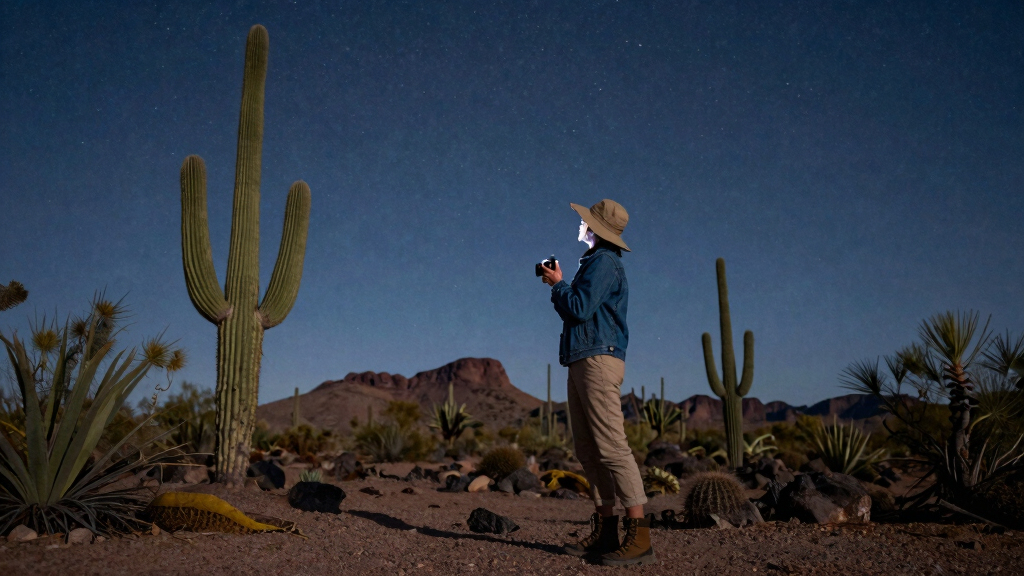
Organ Pipe Cactus National Monument in Arizona has been designated as a Dark Sky Park by DarkSky International. This recognition highlights its preserved night environment and cultural ties to indigenous astronomy. The certification reflects over a decade of efforts to reduce light pollution and promote night sky conservation.
Organ Pipe Cactus National Monument in Arizona was officially certified as a Dark Sky Park on May 15, 2026, by DarkSky International, recognizing its exceptional natural darkness and efforts to mitigate light pollution. This designation underscores the park’s importance for astronomy, wildlife habitat, and cultural heritage, particularly for the indigenous O’odham people.
The certification process took more than ten years, during which the park reduced artificial lighting, conducted extensive night-sky monitoring, and expanded its astronomy programming, including star parties and an astronomer-in-residence program that began in 2025. The designation makes Organ Pipe the 12th Dark Sky Park in Arizona and one of over 250 worldwide, emphasizing its significance as a protected nocturnal environment.
Ruskin Hartley, CEO of DarkSky International, emphasized that the park’s efforts reflect a commitment to both conservation and enhancing visitor experience. The park’s superintendent, Raquel Montez, highlighted the cultural importance of the night sky, noting its role in guiding indigenous peoples for generations. The recognition comes amid ongoing tensions over border infrastructure and cultural site preservation in the region.
Why It Matters
This designation matters because it officially recognizes the importance of preserving dark skies for ecological, cultural, and recreational reasons. It highlights the park’s role in protecting nocturnal wildlife and honoring the indigenous O’odham peoples’ historical and spiritual connection to the night sky. Additionally, it promotes tourism through astronomy programs and encourages broader efforts to combat light pollution in the region.
portable star projector for night sky viewing
As an affiliate, we earn on qualifying purchases.
As an affiliate, we earn on qualifying purchases.
Background
Organ Pipe Cactus National Monument, located near the U.S.-Mexico border, has faced environmental and cultural challenges, including recent damage to a 1,000-year-old Indigenous geoglyph amid border wall expansion. The region’s rich history includes indigenous astronomy and cultural practices tied to celestial events like the summer solstice. The park’s new status as a Dark Sky Park aligns with ongoing efforts to balance conservation, cultural preservation, and border security issues.
“This certification reflects more than a decade of dedicated work by the monument’s staff, showcasing incredible determination that has also been reflected through years of public outreach and education efforts.”
— Ruskin Hartley, DarkSky International CEO
“Protecting the monument’s night environment honors a landscape where the stars have guided and inspired early peoples for generations and continue to shape our understanding of this place today.”
— Raquel Montez, Superintendent of Organ Pipe Cactus National Monument
astronomy binoculars for stargazing
As an affiliate, we earn on qualifying purchases.
As an affiliate, we earn on qualifying purchases.
What Remains Unclear
It is not yet clear how the designation will impact ongoing border infrastructure projects or the region’s cultural sites. The long-term effects of increased tourism and conservation efforts on local ecosystems and indigenous communities remain to be seen.
dark sky telescope for beginners
As an affiliate, we earn on qualifying purchases.
As an affiliate, we earn on qualifying purchases.
What’s Next
Next steps include continued maintenance of dark sky standards, expansion of public astronomy programs, and ongoing collaboration with indigenous groups to ensure cultural sites and practices are respected. Monitoring and enforcement of light pollution mitigation will likely be prioritized to sustain the certification.
light pollution filter for telescopes
As an affiliate, we earn on qualifying purchases.
As an affiliate, we earn on qualifying purchases.
Key Questions
What is a Dark Sky Park?
A Dark Sky Park is a designated area recognized for its exceptional quality of starry nights and efforts to reduce light pollution, often through strict lighting regulations and public education.
Why is the designation important for Organ Pipe Cactus National Monument?
The designation helps preserve the natural darkness of the night environment, supports wildlife habitat, promotes astronomy tourism, and honors the cultural heritage of indigenous peoples connected to the night sky.
How long did it take to achieve this certification?
The process spanned over ten years, involving extensive monitoring, lighting reductions, and community outreach efforts.
Does this designation affect border security activities in the area?
The certification primarily focuses on environmental and cultural conservation; its impact on border security operations has not been explicitly clarified.
What can visitors expect when visiting the monument now?
Visitors can participate in star parties, view telescopic programs, and experience the night sky in a protected environment with minimal light pollution.
Source: Outside
Halloween Picks
halloween
As an affiliate, we earn on qualifying purchases.