
To read an air quality monitor like a pro, start by understanding key measurements like PM, VOCs, CO2, humidity, and temperature, along with their color codes and units. Watch for patterns and trends over time to identify pollution sources and know safe versus concerning levels based on established standards. Regularly calibrate and maintain your device for accuracy. Keep exploring to discover more tips for mastering air quality insights and protecting your environment.

Get health and wellness essentials delivered free with Prime
- Fast, free delivery on millions of items
- Prime Video, Amazon Music and more included
- Member-only deals all year
Key Takeaways
- Understand the specific sensors and symbols for PM, VOCs, CO2, humidity, and temperature, along with their units and color codes.
- Regularly check calibration and maintenance to ensure sensor accuracy and reliable readings.
- Interpret data trends over time to identify patterns and sources of pollution.
- Compare pollutant levels against established safety standards like EPA limits.
- Use visualizations such as graphs to analyze fluctuations and pinpoint when and why air quality changes.
air quality monitor with VOC sensor
As an affiliate, we earn on qualifying purchases.
As an affiliate, we earn on qualifying purchases.
How Do Air Quality Monitors Work?
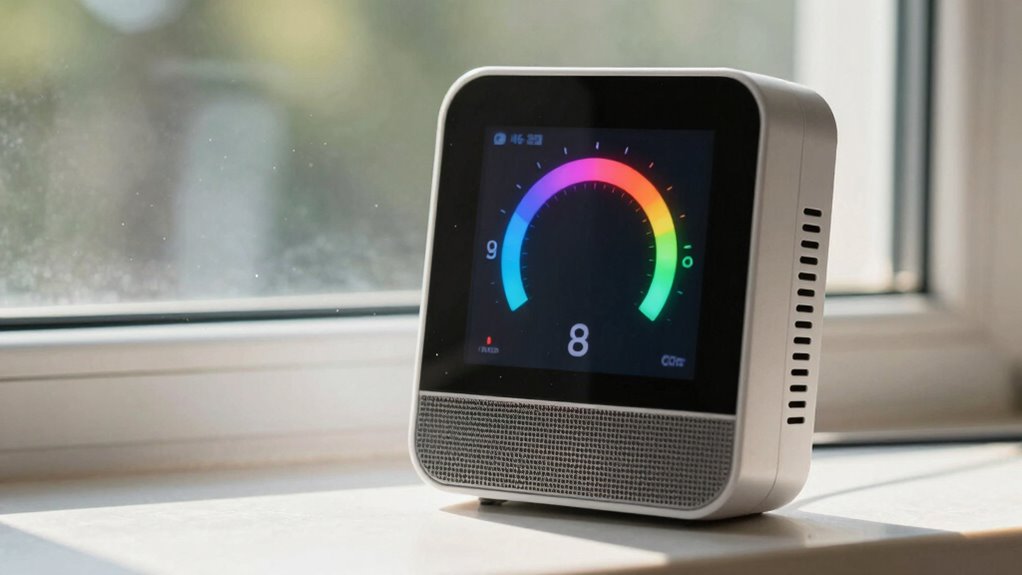
Have you ever wondered how air quality monitors detect pollutants in the air? These devices use sensors to measure particles like PM, VOCs, and gases such as CO2. When pollutants are present, the sensors send data to the monitor’s internal processor, which analyzes the levels in real time. This information helps you understand your indoor environment. To improve air quality, you might use an air purifier or implement ventilation strategies, which work alongside monitor readings to reduce pollutants. The air purifier filters out particles, while ventilation strategies increase fresh air exchange, diluting contaminants. Together, these tools help create a healthier indoor space. Additionally, understanding the impact of microplastics in dust can further enhance your approach to maintaining clean air. By understanding how monitors detect pollutants, you can better manage your environment and assure cleaner, safer air. Implementing these strategies can lead to better indoor air quality and a more comfortable living space. Moreover, ensuring color accuracy in visual displays can help you better interpret air quality data. Furthermore, using an easy conversion tool can assist in quantifying pollutant levels across different numerical units. Moreover, effective monitoring can lead to timely interventions that significantly improve air quality outcomes.
indoor air quality monitor PM2.5
As an affiliate, we earn on qualifying purchases.
As an affiliate, we earn on qualifying purchases.
What Do PM, VOCs, and CO2 Levels Mean for Your Health?
Sure! Here’s the revised content with the requested addition:
—
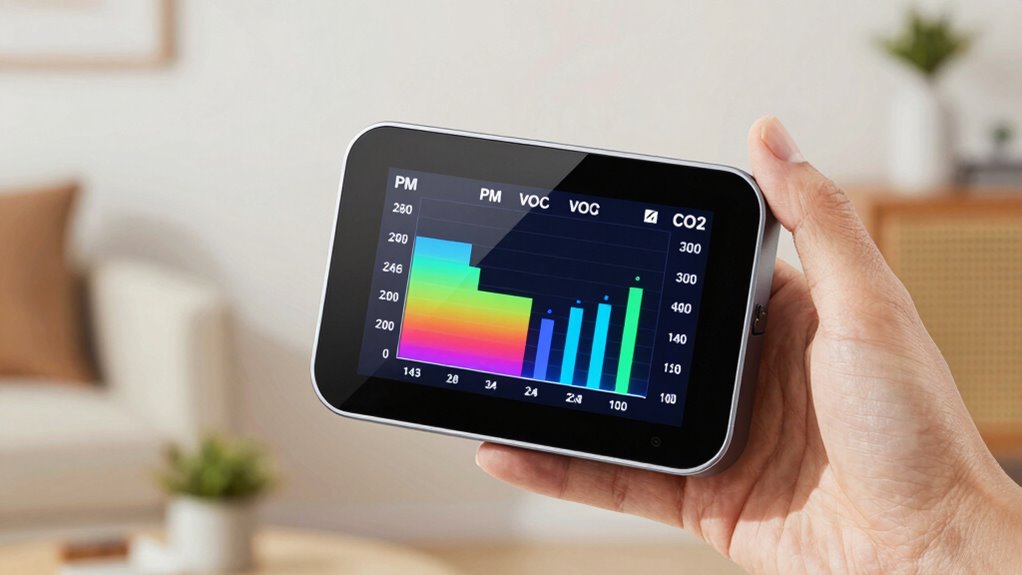
Ever wonder what your air quality levels really mean for your health? Understanding PM (particulate matter), VOCs (volatile organic compounds), and CO2 levels helps you gauge potential health implications. High PM can come from pollutant sources like vehicle exhaust, construction dust, or smoke, and can cause respiratory issues or aggravate allergies. Elevated VOCs often originate from cleaning products, paints, or furniture, potentially leading to headaches, dizziness, or long-term health effects. Increased CO2 levels indicate poor ventilation, which can cause fatigue, difficulty concentrating, and discomfort. Monitoring these levels helps you identify when indoor air quality is compromised and take steps to improve it, reducing health risks and creating a safer environment for you and your family. Additionally, incorporating mind-body healing practices, such as yoga, can enhance your overall well-being in response to environmental stressors. Understanding the role of necessary cookies in tracking indoor air quality can further enhance your awareness of your environment. Regular checks can help you maintain optimal air quality and ensure a healthier living space. Moreover, embracing inclusive standards in product choices can lead to safer and more sustainable options for everyone. This awareness is crucial for exploring new frontiers in digital content and research, which can empower you to make informed decisions about your indoor environment.
—
Let me know if you need any more adjustments!
As an affiliate, we earn on qualifying purchases.
How to Read and Interpret Your Air Quality Monitor’s Display?
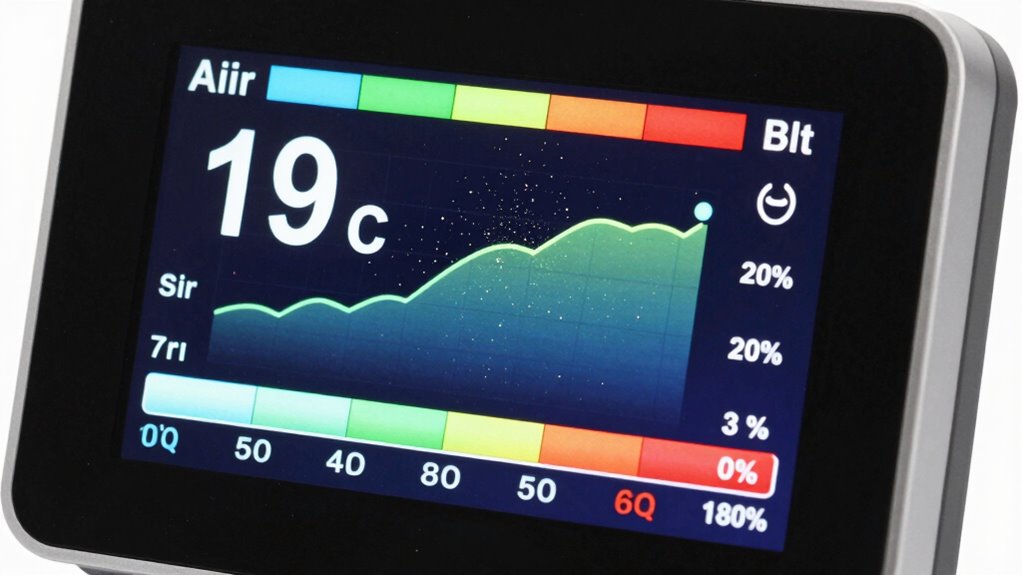
To effectively interpret your air quality monitor’s display, start by familiarizing yourself with its key readings and symbols. Many monitors show levels of PM, VOCs, CO2, and sometimes humidity or temperature. Be cautious of air quality myths—trust the data, not misconceptions. Check the units and color codes that indicate good, moderate, or poor air quality. Regular sensor maintenance is essential; dust or dirt can skew readings, so keep sensors clean and follow manufacturer instructions. Some displays might show trends or historical data—use these to identify patterns. Remember, understanding your monitor’s display helps you make informed decisions about your environment. Clear, accurate readings depend on proper sensor upkeep and knowledge of what each symbol and number signifies. Additionally, consider how indoor air quality can be influenced by common household allergens and odors, as well as how air purifier maintenance can enhance the overall effectiveness of your air quality management. Utilizing HEPA filters can significantly improve the removal of airborne particles, contributing to healthier indoor environments. Embracing a minimalist approach can help you focus on the essentials for maintaining better air quality. Investing in car protection accessories can help safeguard your vehicle from pollutants that may affect air quality in the long run.
digital air quality sensor calibration kit
As an affiliate, we earn on qualifying purchases.
As an affiliate, we earn on qualifying purchases.
What Are Safe and Concerning Air Quality Levels?
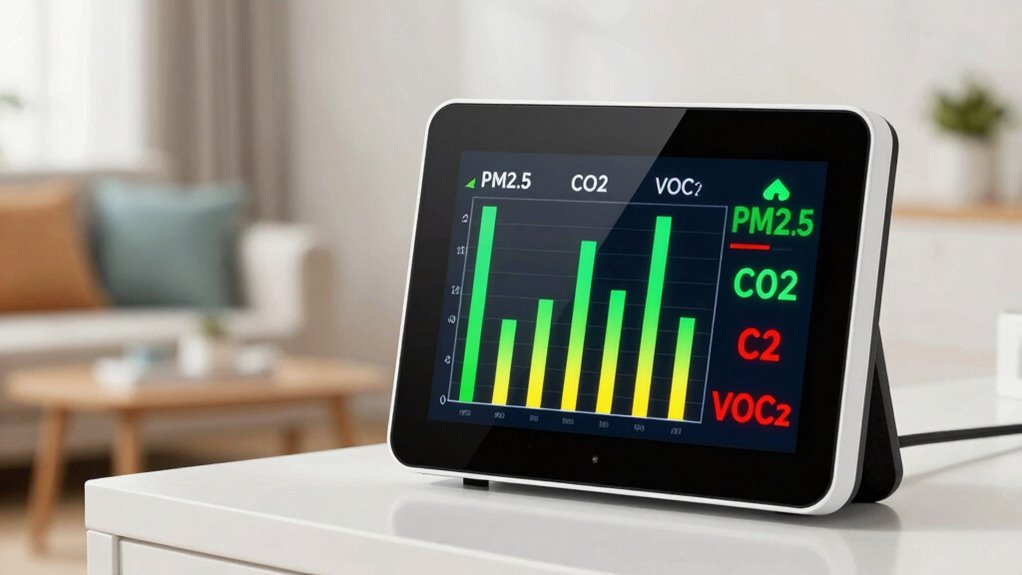
Understanding what constitutes safe and concerning air quality levels is essential for protecting your health. Air quality standards, set by organizations like the EPA, define safe limits for pollutants such as PM2.5, PM10, ozone, and nitrogen dioxide. When readings stay within these limits, your air is considered safe. However, if levels exceed these thresholds, it indicates concerning pollution sources that could harm your respiratory and overall health. Common pollution sources include vehicle emissions, industrial activities, and indoor household chemicals. Knowing these standards helps you interpret your monitor’s data accurately, so you can take appropriate action. Regularly monitoring and understanding safe versus unsafe levels empowers you to minimize exposure, especially during high pollution days or when pollution sources are active nearby. Additionally, incorporating eco-friendly practices in your daily life can help improve overall air quality in your environment.
How to Track and Spot Patterns in Your Air Quality Data?
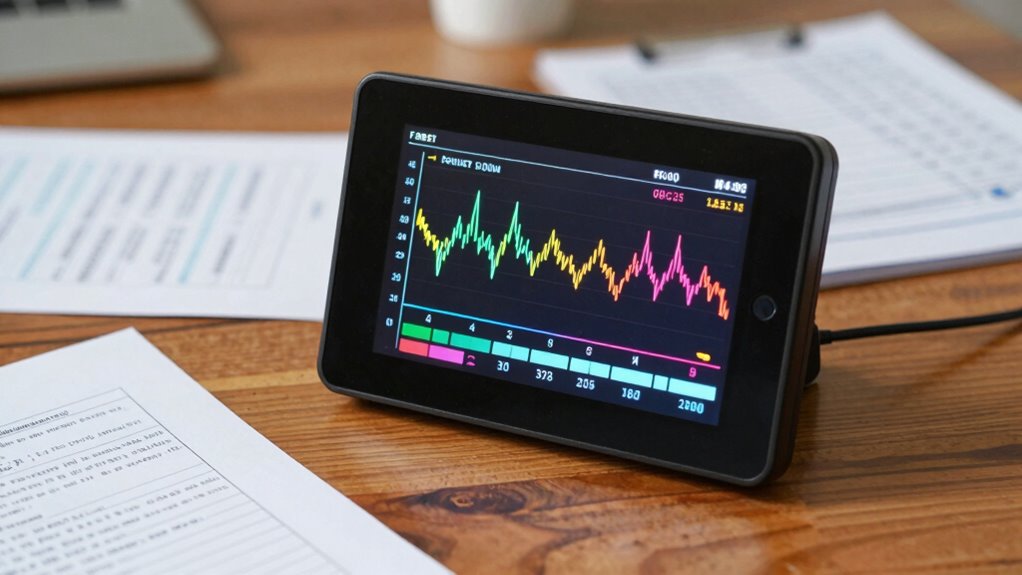
Monitoring your air quality data over time allows you to identify recurring patterns and potential sources of pollution. To do this effectively, focus on analyzing air quality trends, which reveal fluctuations linked to daily activities or environmental factors. Use data visualization tools like graphs or charts to spot these patterns quickly. Look for consistent spikes during specific times or conditions, such as mornings or weekends, which might indicate sources like traffic or cooking. Tracking these patterns helps you understand how your environment changes and what influences it most. Regularly reviewing your visualized data makes it easier to recognize when air quality deteriorates or improves, empowering you to take targeted actions or prepare for specific conditions.
Troubleshooting Common Air Quality Monitor Errors?
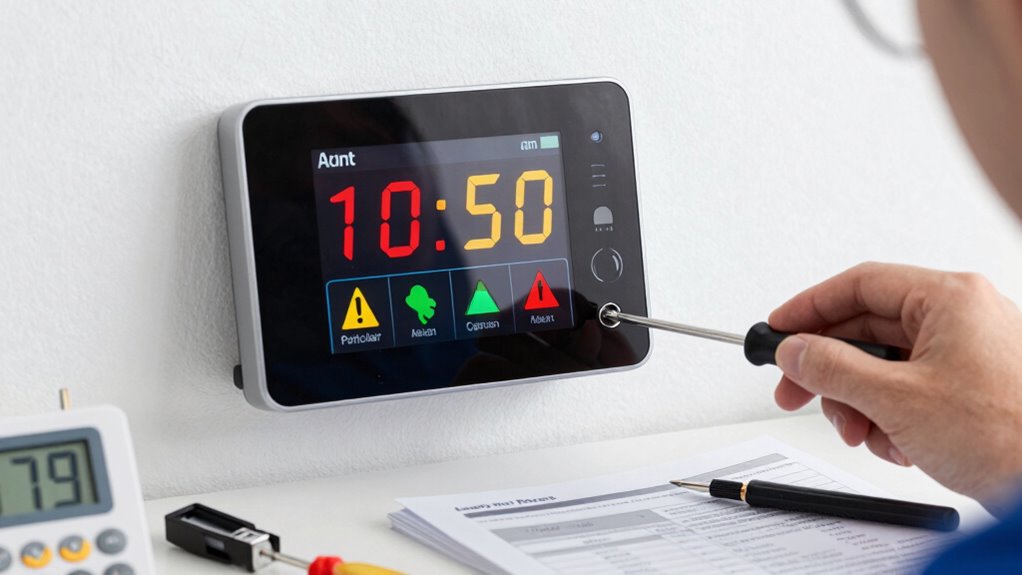
When your air quality monitor shows errors, the first step is to identify common causes, like sensor malfunctions or connectivity issues. Calibration problems are frequent and can lead to inaccurate readings, so it’s important to check and adjust the device regularly. Fixing these issues helps guarantee your monitor provides reliable, precise data. Additionally, understanding the industrial juice manufacturing process can offer insights into how environmental factors may impact air quality measurements. Regular cleaning and avoiding irritants can also ensure optimal performance for your monitor, similar to how piercing aftercare is essential for preventing infection. Incorporating regular maintenance can lead to improved performance of your air quality monitor, ensuring accurate readings over time. Many local breakfast spots emphasize the importance of fresh ingredients, which can also apply to the air quality in your environment. Keeping your device updated with the latest espresso machine technology can also enhance its functionality and accuracy.
Common Error Causes
Certainly! Here’s your content with the requested modifications:
—
Many common errors with air quality monitors stem from simple issues like poor calibration, low battery, or sensor contamination. These problems can cause sensor malfunctions or display inaccuracies, making readings unreliable. To troubleshoot, check these common causes:
- Low Battery: A weak battery can cause display errors or unpredictable sensor behavior. Replace or recharge as needed. Additionally, using energy-efficient options can prolong battery life, contributing to enhanced security in device performance. Regularly checking the battery status can help prevent unexpected failures.
- Sensor Contamination: Dust, dirt, or chemical buildup can impair sensor performance. Regular cleaning helps maintain accuracy. Ensuring the monitor is placed in a well-ventilated area can also reduce contamination risks.
- Calibration Drift: Over time, sensors may drift from their original calibration, leading to incorrect readings. Regular calibration checks are essential for maintaining reliable performance.
- Hardware Damage: Physical impacts or moisture exposure can cause sensor malfunctions or display issues. Protecting the monitor from harsh conditions can extend its lifespan.
Addressing these issues promptly keeps your monitor accurate and reliable. Additionally, understanding how flywheel upgrades can enhance engine performance may help you appreciate the importance of accurate air quality readings in optimizing vehicle emissions.
—
Let me know if you need any further adjustments!
Fixing Calibration Issues
Calibration issues are a common cause of inaccurate air quality readings, but they can often be corrected with a few straightforward steps. Sensor drift over time causes readings to become unreliable, so regular calibration is essential. Check your monitor’s recommended calibration frequency—most devices need calibration every few months. If your readings seem off, start by resetting the device and performing a fresh calibration using a known reference or calibration kit. Verify the monitor is in a stable environment during calibration to prevent errors. If inaccuracies persist, consider recalibrating more frequently or contacting the manufacturer for guidance. Keeping up with proper calibration helps maintain your monitor’s accuracy and ensures you get reliable air quality data over time.
Simple Steps to Improve Indoor and Outdoor Air Quality?
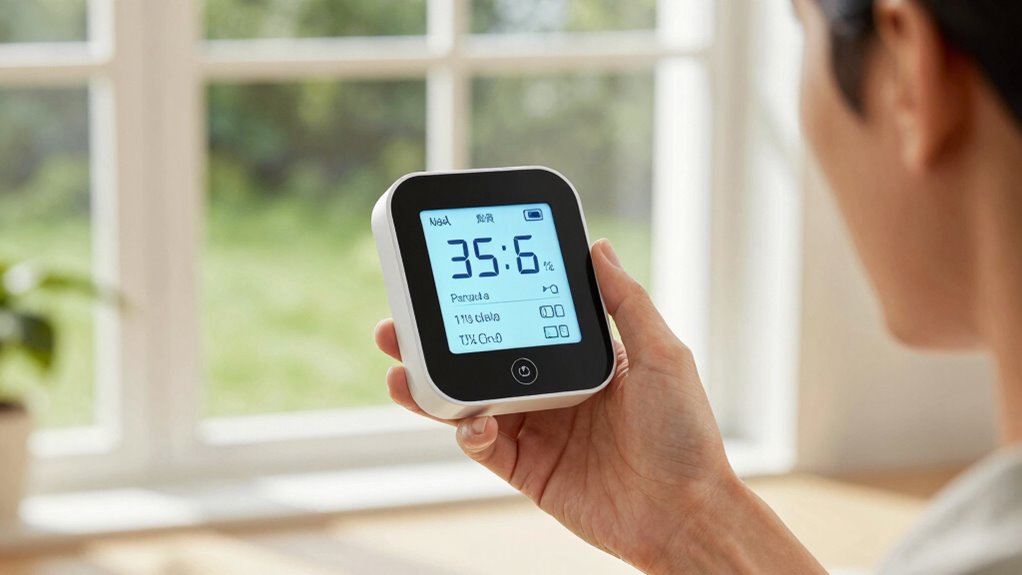
Improving indoor and outdoor air quality doesn’t have to be complicated. Simple steps make a big difference. First, use air purification devices like HEPA filters to remove airborne particles. Second, enhance ventilation strategies by opening windows or installing exhaust fans to circulate fresh air. Third, keep your space clean by regularly dusting and vacuuming to reduce dust and allergens. Fourth, control sources of pollution—avoid smoking indoors and limit the use of volatile organic compounds (VOCs) from cleaning products. These actions help lower pollutant levels and improve air quality. By combining air purification with effective ventilation strategies, you create a healthier environment both inside and outside. Small, consistent efforts can substantially impact your air quality over time.
Frequently Asked Questions
Can Air Quality Monitors Detect All Types of Pollutants?
Air quality monitors can’t detect all types of pollutants because of pollutant diversity and sensor sensitivity. Some monitors are designed to detect specific pollutants like PM2.5, CO2, or VOCs, but they might miss others such as certain gases or airborne allergens. You should choose a monitor suited to your needs. Keep in mind that sensor sensitivity varies, so no single device can give a complete picture of all air pollutants at once.
How Often Should I Calibrate My Air Quality Monitor?
You should calibrate your air quality monitor regularly, typically every 6 to 12 months, depending on usage and manufacturer recommendations. Proper calibration guarantees accurate readings and extends sensor longevity. Keep an eye on the monitor’s performance; if you notice inconsistent data, recalibrate sooner. Regular calibration maintains precision, helps detect sensor drift, and maximizes your device’s lifespan, giving you reliable air quality insights over time.
Are Portable Air Quality Monitors as Accurate as Fixed Ones?
Portable air quality monitors can sometimes seem as precise as fixed ones, but they often trade accuracy for convenience. Sensor calibration is essential for both, ensuring reliable data interpretation. While portable models excel in mobility, they might not match the sensitivity of fixed monitors, especially in detecting subtle changes. To get the most accurate readings, regularly calibrate your device and understand its limitations, treating it as a critical tool, not an infallible oracle.
What Is the Typical Lifespan of an Air Quality Monitor?
You can expect an air quality monitor’s lifespan to be around 2 to 5 years, depending on sensor longevity and device durability. Regular calibration and proper maintenance help extend its life. High-quality devices with durable components tend to last longer, while cheaper models may need replacement sooner. Keep an eye on sensor performance and follow manufacturer guidelines to guarantee accurate readings over time.
Do Air Quality Monitors Require Regular Maintenance or Sensor Replacement?
You’ll want to keep your air quality monitor in top shape, so regular maintenance and sensor calibration are essential. Think of it like tuning a musical instrument—you guarantee accurate readings. Follow the manufacturer’s maintenance schedule, which typically includes cleaning and occasional sensor replacement. This way, your monitor stays reliable, giving you precise data to protect your health. Skipping maintenance risks inaccurate results and compromised air quality insights.
Conclusion
So, next time you proudly glance at your air quality monitor, remember it’s more than just a fancy gadget—it’s a reminder that even the air we breathe needs a little supervision. While you may think you’ve got it all under control, the irony is, the more you understand, the more you realize how little we truly know about the air we take for granted. Keep monitoring, stay curious, and maybe, just maybe, breathe a little easier.
Halloween Picks
halloween
As an affiliate, we earn on qualifying purchases.