
Microbial contamination in public water systems occurs when bacteria, viruses, or protozoa enter water supplies through sewage leaks, stormwater runoff, or aging infrastructure. These microbes can cause illnesses ranging from gastrointestinal issues to severe diseases, especially if water treatment and monitoring aren’t properly maintained. Ensuring proper sanitation, regular testing, and effective disinfection helps prevent outbreaks. If you want to understand more about how these contaminants spread and how to protect yourself, keep exploring further.
Key Takeaways
- Sewage leaks, stormwater runoff, and aging infrastructure introduce microbes into public water supplies.
- Pathogens like bacteria, viruses, and protozoa can cause waterborne illnesses and outbreaks.
- Infrastructure deficiencies and cross-connections increase microbial contamination risks.
- Routine water testing and monitoring are essential for early detection and ensuring water safety.
- Adhering to treatment protocols and preventive measures minimizes microbial contamination in public water systems.
Public water systems can become contaminated with harmful microbes, posing serious health risks to communities. These microbes, known as waterborne pathogens, can enter the water supply through various sources such as sewage leaks, stormwater runoff, or improper waste disposal. When these pathogens infiltrate public water systems, they threaten the health of everyone relying on that water for drinking, cooking, and sanitation. To protect public health, it’s imperative to understand and implement effective treatment protocols designed to eliminate or reduce these dangerous microbes before the water reaches consumers.
Waterborne pathogens include bacteria like *Escherichia coli* and *Salmonella*, viruses such as Norovirus and Hepatitis A, and protozoa like Giardia and Cryptosporidium. These microbes are particularly concerning because they can cause severe illnesses, ranging from gastrointestinal infections to more serious conditions like hepatitis or cholera. Contamination often occurs due to aging infrastructure, cross-connections, or inadequate sanitation measures, which allow these microorganisms to bypass filtration and disinfection steps. Recognizing the presence of waterborne pathogens in a water system highlights the importance of rigorous treatment protocols to guarantee safety. Regular monitoring and testing of water quality are indispensable components of treatment protocols. They help identify any microbial presence early, allowing for quick adjustments to treatment processes. If water testing detects waterborne pathogens, authorities can increase disinfection levels, perform additional filtration, or even issue boil water advisories to protect the public until the problem is resolved. Consistent adherence to treatment protocols and routine testing helps maintain a safe drinking water supply, reducing the likelihood of outbreaks caused by contaminated water. Ultimately, understanding the nature of waterborne pathogens and applying proven treatment methods are key to safeguarding communities against microbial threats in public water systems. Water quality testing plays a vital role in early detection and prevention of microbial contamination, ensuring safe drinking water for all.

#1 Bacteria in Water Test Kit by Detekt® – Detect Bacteria, Mold, Fungus in Drinking, Tap or Well Water – Choose Made-in-USA – Results in 24 Hrs – More Than Coliform/E. Coli (1 Kit = 2 Tests)
ADDED VALUE: Test for bacteria (ie. E. Coli) AND mold (ie. Stachybotrys ‘black mold’) in drinking water, water…
As an affiliate, we earn on qualifying purchases.
As an affiliate, we earn on qualifying purchases.
Frequently Asked Questions
How Often Should Public Water Systems Be Tested for Microbes?
You should perform routine sampling of your public water system regularly, following the frequency outlined by regulatory standards, which typically require testing at least once a year for microbes. Some systems may need more frequent testing depending on local conditions or if previous contamination issues occurred. By adhering to these standards, you guarantee your water remains safe and compliant, catching microbial contamination early before it becomes a health risk.
Are There Specific Microbes That Pose the Greatest Health Risks?
Think of your water supply as a battleground where invisible enemies lurk. Pathogenic bacteria like E. coli and Salmonella pose serious health threats, causing illness and infections. Viral contaminants such as Norovirus and Hepatitis A can spread quickly, leading to outbreaks. These microbes are the greatest risks because they’re tiny, resilient, and easily transmitted through contaminated water. Staying vigilant and testing regularly helps keep these microbial foes at bay.
What Are the Signs of Microbial Contamination in Drinking Water?
You might notice microbial contamination in your drinking water through changes in taste and odor, such as a musty or earthy smell. Biofilm formation on pipes can also cause discoloration or cloudiness. If you observe these signs, it’s a good idea to have your water tested. These indicators suggest microbial growth, which could pose health risks, so acting promptly helps guarantee your water remains safe to drink.
How Effective Are Common Water Treatment Methods Against Microbes?
You might think your water’s safe because of common treatments, but don’t be fooled—disinfection efficacy varies, especially against microbial resistance. Chlorination and filtration often do a decent job, yet some microbes can survive, making their removal less than foolproof. Ironically, the very methods meant to protect you sometimes fall short, highlighting the need for advanced or combined treatments to truly guarantee microbial safety.
Can Microbial Contamination Occur After Water Treatment?
Yes, microbial contamination can occur after water treatment. Post-treatment risks arise from contamination pathways like pipe leaks, storage tanks, or environmental intrusion. You should regularly check your water system for leaks, maintain proper storage conditions, and monitor water quality. Ensuring these steps helps minimize the chances of microbes re-entering your water supply, keeping it safe and clean for daily use.
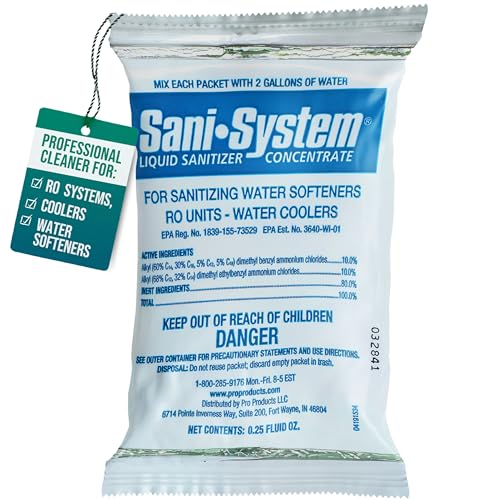
IPW Industries, Inc. – Sani System (SS24N) Liquid Cleaner for Reverse Osmosis (RO) System, Cooler, Whole House Water Softener and Home Improvement
COMPREHENSIVE CLEANER: The Sani System (SS24N) Liquid Cleaner 0.25 Fl Oz. is specially formulated to provide thorough cleaning…
As an affiliate, we earn on qualifying purchases.
As an affiliate, we earn on qualifying purchases.
Conclusion
Even if you think your tap water looks clean, microbial contamination can still pose health risks. Regular testing and proper treatment are essential, and don’t assume your water is safe because it appears clear. Staying informed and proactive helps protect you and your community from waterborne illnesses. Remember, neglecting contamination issues could lead to serious health problems down the line. Stay vigilant—your health depends on it.

All-New 20 in 1 Drinking Water Testing Kit 120 Strips, Home Tap and Well Water Test Kit for Hardness, Lead, Iron, Copper, Chlorine, Fluoride
Clear Range: This house water testing kit offers clear, easy to read results and acceptable ranges for all…
As an affiliate, we earn on qualifying purchases.
As an affiliate, we earn on qualifying purchases.
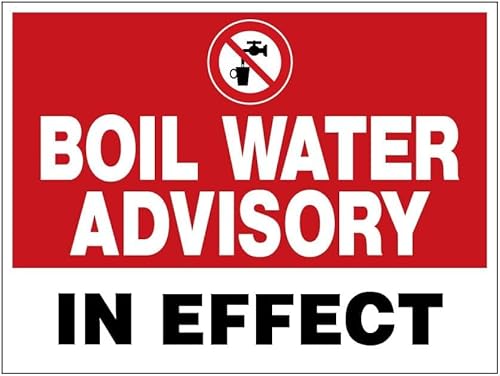
Yard Sign – Boil Water Advisory (Z274) Metal Tin Signs Safety Caution for Indoor or Outdoor 8×12 Inch
As an affiliate, we earn on qualifying purchases.
As an affiliate, we earn on qualifying purchases.