
PFAS, or “forever chemicals,” are widespread pollutants that persist in your environment and body for decades. When you’re exposed through water, food, or everyday products, they can accumulate in your blood and tissues. Long-term exposure has been linked to health risks like immune system damage, hormone disruption, and certain cancers. Because these chemicals are so resistant to breakdown, understanding how they affect you and how to reduce exposure is vital—continue to explore to learn more.
Key Takeaways
- PFAS are linked to health issues such as cancer, liver damage, immune system effects, and hormonal disruptions.
- Chronic exposure to PFAS can lead to increased cholesterol, thyroid problems, and developmental issues.
- Due to their persistence, PFAS accumulate in the human body, making elimination difficult.
- Exposure mainly occurs through contaminated water, food, and consumer products containing PFAS.
- Long-term contamination poses significant health risks, emphasizing the need for regulation and cleanup efforts.
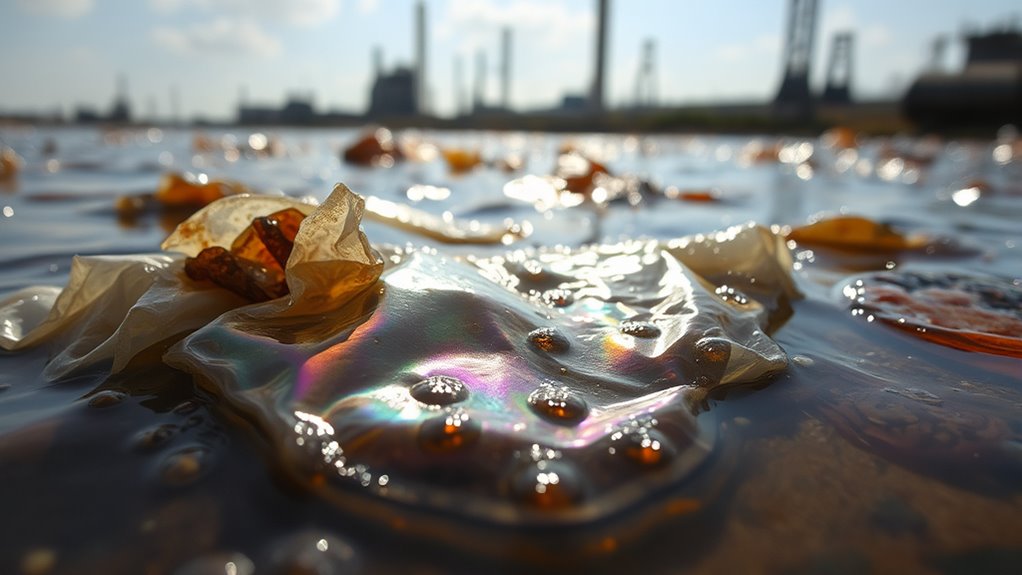
Have you ever wondered why PFAS, commonly called “forever chemicals,” are so difficult to eliminate from our environment? The answer lies in their remarkable chemical persistence. Unlike many other pollutants, PFAS don’t break down naturally over time. Their molecular structure makes them resistant to heat, light, and biodegradation, meaning they can linger in soil, water, and air for decades. This resilience allows them to accumulate in the environment, leading to widespread contamination that’s tough to remediate. When PFAS enter waterways or seep into the ground, they become part of the broader environmental system, contaminating drinking water supplies, wildlife, and even agricultural products. This ongoing environmental contamination puts communities and ecosystems at risk, as these chemicals continually cycle through the environment without degrading. Additionally, their stability complicates threat detection and cleanup efforts, making it essential to develop advanced technologies for remediation. Because PFAS persist so stubbornly, they tend to bioaccumulate in humans and animals. When you’re exposed to contaminated water, food, or household products containing PFAS, these chemicals can build up in your body over time. Once inside, they don’t just pass through; they tend to stay, often accumulating in blood, liver, and other tissues. The fact that PFAS are so resistant to elimination makes it difficult for your body to rid itself of these chemicals once exposed. As a result, even low-level, chronic exposure can lead to significant health concerns, since the chemicals linger for years, steadily increasing your body’s chemical load. The environmental contamination caused by PFAS isn’t limited to water sources. These chemicals are also found in soil, dust, and various consumer products like non-stick cookware, water-resistant fabrics, and firefighting foams. Their widespread presence means that exposure can happen through multiple routes, making it harder to avoid them entirely. Efforts to clean up contaminated sites are complicated by the chemicals’ stability, requiring advanced technologies and persistent efforts. This ongoing environmental contamination not only affects ecosystems but also poses long-term health risks to populations living near contaminated sites. In essence, the difficulty in eliminating PFAS from our environment stems from their chemical persistence. Their resistance to natural breakdown processes ensures they remain, contaminating water and soil for decades. This persistent environmental contamination leads to continuous human exposure, with potential health impacts that are increasingly coming to light. Recognizing the challenge posed by their chemical stability underscores the urgent need for effective regulation, cleanup strategies, and reduced use of these chemicals to protect both environmental and human health.
PFAS water filter
As an affiliate, we earn on qualifying purchases.
As an affiliate, we earn on qualifying purchases.
Frequently Asked Questions
How Long Do PFAS Chemicals Stay in the Human Body?
PFAS chemicals can stay in your body for years, with a biological half-life that varies between individuals. On average, it takes about 3 to 8 years for your body to eliminate half of these compounds. Your detoxification processes help reduce PFAS levels, but they aren’t very efficient at clearing these chemicals quickly. To lower your exposure, avoid contaminated water and products containing PFAS whenever possible.
Are There Any Safe Levels of PFAS Exposure?
You might think any exposure is risky, but current research suggests there are no truly safe thresholds for PFAS exposure. While some agencies set exposure limits to reduce health risks, even low levels can accumulate over time. It’s essential to stay informed about these limits and minimize contact whenever possible. Protect yourself by choosing products free from PFAS and advocating for stricter regulations to keep exposure as low as achievable.
Can PFAS Exposure Affect Unborn Babies?
Yes, PFAS exposure can influence your unborn baby’s prenatal development and fetal health. When you’re pregnant, these chemicals can pass through the placenta, potentially leading to developmental issues or health problems for the baby. It’s important to minimize exposure by avoiding contaminated water and food sources. Protecting your health during pregnancy helps ensure better outcomes for your baby’s growth and long-term well-being.
What Industries Are Most Responsible for PFAS Pollution?
You know what they say, “Follow the money.” Industries like chemical manufacturing and those involved in industrial discharge are the largest culprits behind PFAS pollution. These sectors release these chemicals into water and soil, making them hard to escape. It’s essential for you to be aware of how these industries contribute, so you can advocate for stricter regulations and safer practices to protect your community and environment.
Are There Effective Methods to Remove PFAS From Water Sources?
You can effectively remove PFAS from water sources through advanced water filtration methods like activated carbon and reverse osmosis. Chemical treatments, such as ion exchange resins, also help bind and eliminate these chemicals. Combining these techniques offers the best results. Regular testing and maintenance ensure the water stays safe. While no method is perfect, staying proactive with these treatments considerably reduces PFAS levels and protects your health.
non-stick cookware free of PFAS
As an affiliate, we earn on qualifying purchases.
As an affiliate, we earn on qualifying purchases.
Conclusion
Now that you understand the dangers of PFAS “forever chemicals,” it’s clear you shouldn’t turn a blind eye to their health impacts. These chemicals stick around longer than you’d like, making it essential to stay informed and cautious. Remember, knowledge is power, and in this case, it’s your best shield. Don’t wait until it’s too late—stay aware and take action before these hidden threats become a larger problem. Better safe than sorry, after all.
water-resistant outdoor clothing without PFAS
As an affiliate, we earn on qualifying purchases.
As an affiliate, we earn on qualifying purchases.
home water testing kit for PFAS
As an affiliate, we earn on qualifying purchases.
As an affiliate, we earn on qualifying purchases.