TL;DR

Get health and wellness essentials delivered free with Prime
- Fast, free delivery on millions of items
- Prime Video, Amazon Music and more included
- Member-only deals all year
Heat exhaustion and heat stroke are serious heat-related conditions with distinct symptoms. Recognizing the signs early can prevent severe health consequences. This guide explains how to tell them apart.
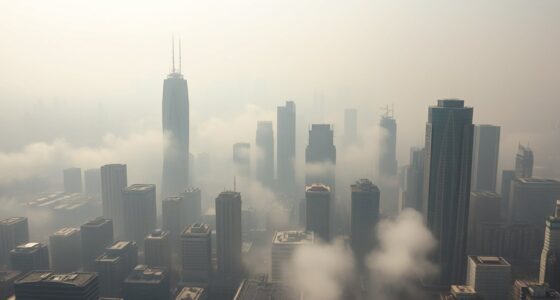
Heat exhaustion and heat stroke are increasingly common during heat waves, and understanding how to distinguish between them is vital for safety. According to health authorities, recognizing the symptoms early can prevent severe health outcomes, including organ failure or seizures.
Heat exhaustion occurs when the body’s core temperature rises but remains below 104°F (40°C). Symptoms include dizziness, nausea, headache, fatigue, heavy sweating, cold and clammy skin, and a rapid but weak pulse. It typically results from prolonged exposure to high temperatures, especially during physical activity or in humid conditions.
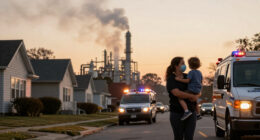
In contrast, heat stroke is a medical emergency characterized by a core temperature exceeding 104°F (40°C). It can cause confusion, hallucinations, passing out, seizures, and even coma. Signs include altered mental state, red and hot skin, and potential loss of consciousness. Immediate cooling and emergency medical treatment are critical to prevent permanent damage or death.
Experts stress that confusion or altered mental status in someone exposed to heat should be treated as heat stroke until proven otherwise, emphasizing the urgency of rapid response.
Knowing the difference between heat exhaustion and heat stroke can be life-saving. Misjudging symptoms may delay critical treatment, increasing the risk of severe complications or death. As heat waves become more frequent due to climate change, public awareness about these conditions is increasingly important for outdoor workers, athletes, and vulnerable populations.
personal cooling towels for heat exhaustion
As an affiliate, we earn on qualifying purchases.
As an affiliate, we earn on qualifying purchases.
Growing Incidence During Rising Temperatures
Heat exhaustion and heat stroke have become more prevalent as global temperatures rise, with heat waves intensifying across many regions. Health authorities have issued warnings about the importance of recognizing early symptoms to prevent escalation. Historically, heat-related illnesses have been linked to outdoor activities, sports, and occupational exposure, but increasing urban heat islands also contribute to risk.
Recent studies indicate that young, healthy individuals can also be affected, especially if dehydrated or exercising in extreme heat, highlighting the need for widespread awareness.
“Early recognition of heat exhaustion symptoms can prevent progression to heat stroke, which is far more dangerous.”
— an anonymous researcher
digital thermometer for body temperature
As an affiliate, we earn on qualifying purchases.
As an affiliate, we earn on qualifying purchases.
Uncertainties About Self-Diagnosis and Response
While the symptoms of heat exhaustion and heat stroke are well-documented, it can be difficult for laypeople to accurately distinguish between them, especially in stressful situations. The precise timing of symptom progression varies among individuals, and some signs overlap, such as dizziness and headache. Additionally, the most effective cooling methods may differ depending on circumstances, and there is ongoing debate about the best immediate response in non-clinical settings.
hydration packs for outdoor activities
As an affiliate, we earn on qualifying purchases.
As an affiliate, we earn on qualifying purchases.
Public Education and Emergency Preparedness Efforts
Health agencies are expected to increase public awareness campaigns, emphasizing the importance of recognizing early symptoms and acting swiftly. Future efforts may include distributing educational materials, training first responders, and promoting workplace safety protocols for outdoor workers. Researchers are also exploring more precise guidelines for self-assessment and first aid in heat-related emergencies.
first aid kit for heat-related illnesses
As an affiliate, we earn on qualifying purchases.
As an affiliate, we earn on qualifying purchases.
Key Questions
How can I tell if someone has heat exhaustion or heat stroke?
Heat exhaustion typically involves heavy sweating, weakness, dizziness, and cold, clammy skin, with a body temperature below 104°F. Heat stroke presents with a high body temperature above 104°F, altered mental state, red skin, and possible loss of consciousness. When in doubt, treat as heat stroke and seek emergency help immediately.
What should I do if I or someone else shows signs of heat exhaustion?
Move to a cooler place, loosen tight clothing, hydrate with water or electrolyte drinks, and rest. If symptoms worsen or do not improve within an hour, seek medical attention.
Stay hydrated, wear lightweight and light-colored clothing, avoid strenuous activity during peak heat, take frequent breaks in shaded or cooled areas, and be aware of weather advisories.
Can heat exhaustion turn into heat stroke?
Yes, if symptoms are not recognized and treated promptly, heat exhaustion can progress to heat stroke, which is much more serious and requires immediate medical intervention.
Are certain groups more at risk for heat-related illnesses?
Yes, children, older adults, people with chronic illnesses, those on certain medications, and individuals engaging in outdoor activities in high temperatures are at higher risk.
Source: Lifehacker
Halloween Picks
halloween
As an affiliate, we earn on qualifying purchases.