Reducing plastic waste is essential for your health and the environment. Improper disposal contaminates soil and water, releasing harmful chemicals like BPA and phthalates that can cause hormonal issues and other health problems. Recycling helps prevent plastic pollution and promotes a circular economy. By making informed choices and supporting community efforts, you can protect yourself and others. If you keep exploring, you’ll discover more ways to make a positive difference for public health.
Key Takeaways
- Proper plastic waste management prevents environmental contamination, reducing exposure to harmful chemicals linked to health issues.
- Recycling plastics minimizes pollution and toxin release, protecting soil, water, and community health.
- Increasing consumer awareness encourages sustainable choices, decreasing reliance on single-use plastics and hazardous packaging.
- Collective actions like community clean-ups and policy advocacy promote safer waste practices and healthier environments.
- Reducing plastic waste exposure lowers risks of hormonal disruptions, cancers, and developmental problems in populations.
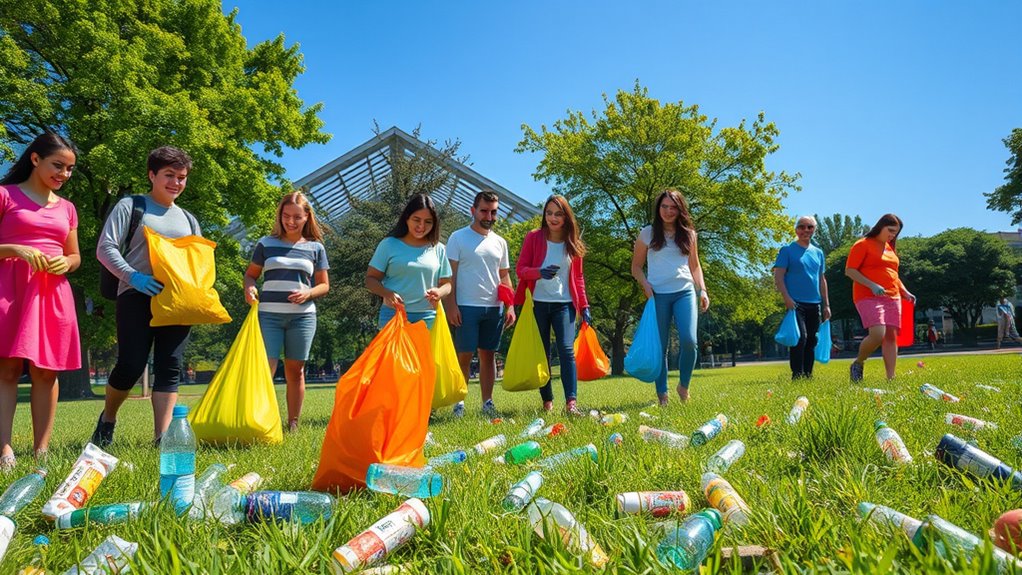
Plastic waste poses a growing threat to public health, as improper disposal and widespread pollution lead to harmful exposure to toxins. When plastics are discarded improperly, they often end up in landfills, waterways, or the environment, breaking down into smaller particles that can contaminate soil and water sources. This contamination can expose communities to harmful chemicals like BPA and phthalates, which have been linked to health issues such as hormonal disruptions, cancers, and developmental problems. To combat these risks, you can participate in and support recycling initiatives that aim to reduce plastic waste. Recycling programs help guarantee plastics are processed properly, preventing them from polluting ecosystems and reducing the release of toxic substances into the environment. When you recycle correctly, you contribute to a circular economy, where plastics are reused rather than discarded, lowering the overall amount of waste that ends up in landfills or the ocean.
Consumer awareness plays an essential role in addressing plastic pollution and safeguarding public health. When you understand the impact of plastic waste, you’re more likely to make informed choices, such as opting for products with minimal or biodegradable packaging. Being aware of the types of plastics that are recyclable and how to dispose of them properly can greatly improve recycling rates. Education campaigns and community programs are indispensable in spreading this knowledge, helping you recognize the importance of reducing single-use plastics and encouraging sustainable alternatives. Your choices, from using reusable bags and bottles to supporting brands committed to eco-friendly practices, directly influence market demand and production trends. The more consumers demand environmentally responsible products, the more companies will prioritize sustainable packaging and recycling initiatives.
Furthermore, your active participation in local recycling efforts and clean-up drives amplifies the collective impact. When you advocate for better waste management policies and hold manufacturers accountable for reducing plastic packaging, you help create a safer environment. Public awareness campaigns can inform you about the health risks associated with plastic waste, motivating you to adopt behaviors that minimize plastic use. As a community, fostering a culture of responsible consumption and recycling can drastically cut down plastic pollution, thereby protecting public health from the toxins that plastic waste can carry. Additionally, understanding the safety of electric heated mattress pads can help you make safer choices in your home, reducing risks associated with electrical appliances. In conclusion, by engaging in recycling initiatives and increasing consumer awareness, you become an indispensable part of the solution—reducing plastic waste, safeguarding health, and promoting a cleaner, safer environment for everyone.
Frequently Asked Questions
How Does Plastic Waste Impact Mental Health?
You might experience plastic anxiety and waste depression when you’re overwhelmed by plastic waste’s impact on the environment. Seeing pollution in your community can lead to feelings of helplessness and frustration, affecting your mental health. These emotions stem from concerns about the planet’s future and your role in reducing waste. Recognizing these feelings helps you take action, empowering you to make positive changes and alleviate some of that mental burden.
Are There Specific Vulnerable Populations at Higher Health Risk?
You might find that vulnerable groups, such as low-income communities and marginalized populations, face greater health risks from plastic waste. These groups often reside near waste sites or lack resources for proper waste management, highlighting issues of environmental justice. Their exposure to plastic pollutants can lead to health concerns, making it essential to prioritize equitable waste policies that protect everyone, especially those most at risk.
What Are the Economic Costs of Plastic Pollution on Healthcare?
You’ll find that plastic pollution substantially raises healthcare expenses through increased treatment costs for related illnesses. A thorough cost analysis shows higher hospital visits and medical treatments due to plastic-associated health issues, straining healthcare systems. These additional expenses burden governments and individuals alike, leading to increased insurance premiums and public health spending. Addressing plastic waste can reduce these economic costs, freeing up resources for other essential healthcare needs.
Can Plastic Waste Reduction Improve Air Quality?
Reducing plastic waste can definitely improve air quality. When you focus on plastic recycling, you limit incineration and open burning, which are major sources of air pollution. Less plastic waste means fewer harmful emissions released into the atmosphere, leading to cleaner air for you and your community. By supporting recycling initiatives, you actively contribute to reducing air pollution caused by plastic disposal methods.
How Do Plastic Chemicals Affect Childhood Development?
Plastic chemicals, like sneaky invaders, can leach into your child’s environment, posing serious developmental hazards. These chemicals interfere with brain growth, hormone regulation, and immune function, much like how a bad seed can spoil a harvest. When children are exposed to plastic leaching, it can lead to learning difficulties, behavioral issues, and health problems later in life. Protect your child by reducing exposure to plastics, especially in everyday items.
Conclusion
By reducing plastic waste, you’re not just cleaning up your environment—you’re planting seeds for healthier communities. Every effort you make is like clearing a cloudy sky, revealing brighter, safer days ahead. Your actions ripple through the air, water, and land, shielding public health from unseen dangers. Remember, small changes today can blossom into a cleaner, safer world tomorrow—like a garden blooming with hope, waiting for you to nurture it.