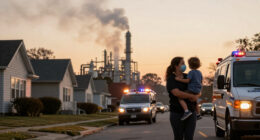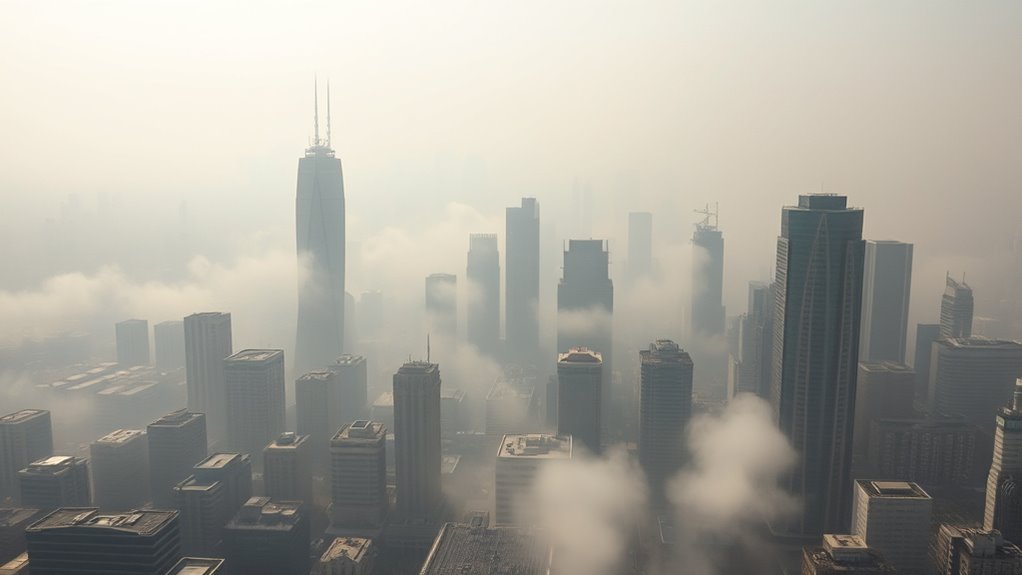

Urban air pollution from PM2.5 and NO₂ can seriously harm your health. These pollutants come from traffic, industry, and burning fuels, and they penetrate deep into your lungs and bloodstream. This causes respiratory problems, heart disease, and increases risks for vulnerable groups like children and the elderly. Long-term exposure can lead to chronic conditions and even early death. Keep exploring to find out how you can protect yourself and reduce these risks.

Get health and wellness essentials delivered free with Prime
- Fast, free delivery on millions of items
- Prime Video, Amazon Music and more included
- Member-only deals all year
Key Takeaways
- PM2.5 and NO₂ penetrate deep into lungs and bloodstream, causing inflammation and cellular damage.
- Long-term exposure increases risks of respiratory diseases, cardiovascular problems, and mortality.
- Vulnerable groups like children, the elderly, and those with pre-existing conditions face higher health risks.
- These pollutants exacerbate asthma, bronchitis, and contribute to chronic illnesses.
- Monitoring and mitigation strategies can reduce health impacts and improve urban air quality.
As an affiliate, we earn on qualifying purchases.
Sources of PM2.5 and NO₂ in Urban Environments
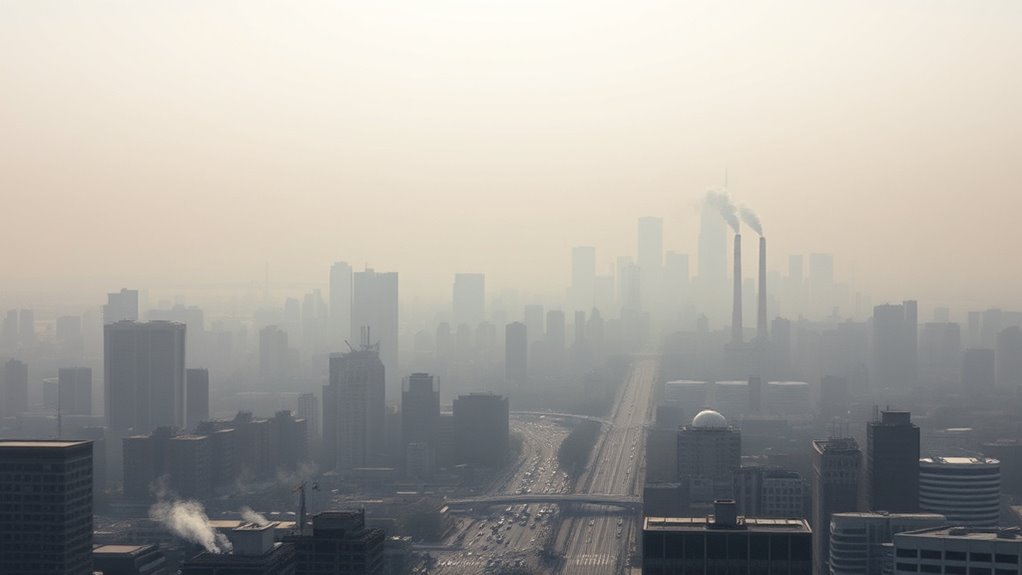
Have you ever wondered where the fine particles and nitrogen dioxide in city air come from? The main sources are industrial emissions and vehicle exhaust. Factories and power plants release tiny particles and gases during fuel combustion, contributing notably to urban pollution. Meanwhile, vehicle exhaust is a major contributor, especially in busy city centers, as cars emit PM2.5 and NO₂ directly into the air. These sources constantly pump pollutants that linger in the atmosphere, creating smog and worsening air quality. Heavy traffic, industrial activity, and energy production all play a role in increasing these harmful pollutants. Understanding these sources helps highlight the importance of regulating emissions and adopting cleaner technologies to improve urban air quality and protect public health. Emerging technologies such as air quality monitoring sensors and emission reduction solutions can play a crucial role in addressing these challenges. Additionally, advancements in pollution control technologies can further reduce the emission levels of PM2.5 and NO₂ from major sources. Effective emission standards are essential for minimizing the release of these pollutants and safeguarding community health.
HEPA air purifier for PM2.5 and NO2
As an affiliate, we earn on qualifying purchases.
As an affiliate, we earn on qualifying purchases.
How PM2.5 and NO₂ Affect Respiratory Health
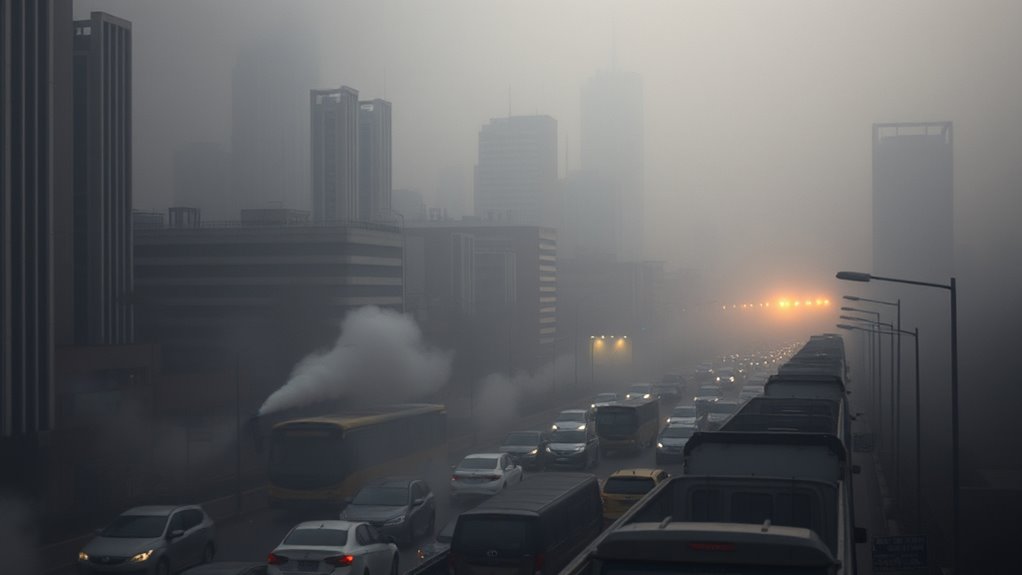
The pollutants discussed earlier, PM2.5 and NO₂, don’t just linger in the air—they directly impact your respiratory health. When you breathe polluted air, these tiny particles and gases can penetrate deep into your lungs, causing inflammation and irritation. Indoor pollutants, such as emissions from heating, cooking, or smoking, can add to your exposure, increasing risks even when you’re inside. Airborne allergens like mold spores or dust often attach to PM2.5 particles, worsening allergy symptoms and respiratory conditions like asthma. Over time, continuous exposure can weaken your lung function, trigger coughing, wheezing, and shortness of breath, and make you more vulnerable to respiratory infections. Protecting your respiratory health involves reducing exposure to these pollutants both outdoors and indoors.
indoor air purifier for allergies
As an affiliate, we earn on qualifying purchases.
As an affiliate, we earn on qualifying purchases.
Cardiovascular Risks Associated With Air Pollution
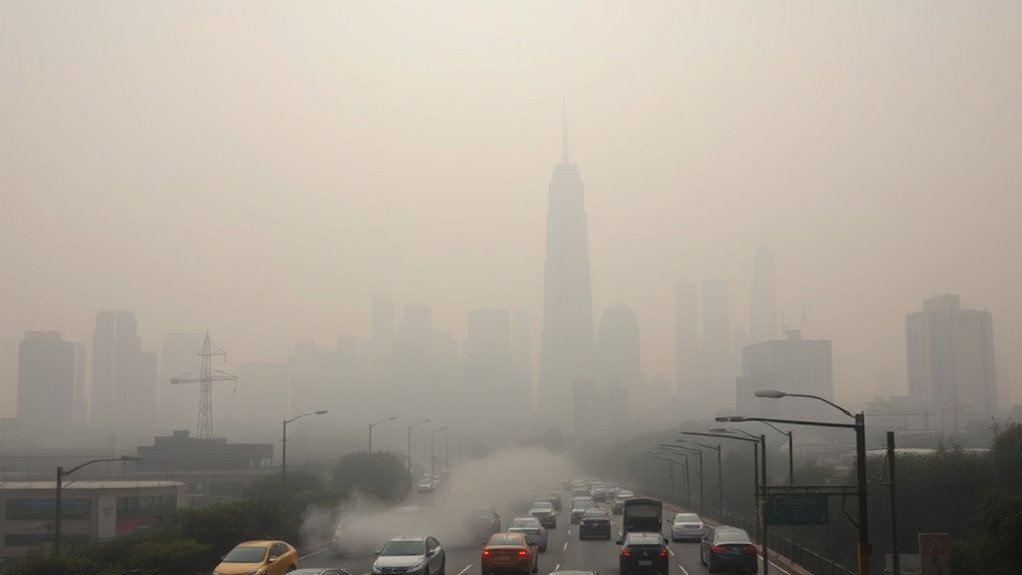
Air pollution doesn’t just harm your lungs; it also poses significant risks to your heart and blood vessels. Exposure to PM2.5 and NO₂ increases your chances of developing hypertension, arrhythmias, and heart attacks. When air quality drops, your arteries may become inflamed and clogged, raising cardiovascular disease risks. Effective air pollution mitigation and strong environmental health policies can lower these dangers. Visualize this:
| Air Pollution Level | Heart Health Impact | Mitigation Strategies |
|---|---|---|
| High | Increased blood pressure | Emission controls, urban planning |
| Moderate | Slight inflammation | Public awareness, cleaner transportation |
| Low | Reduced risk | Policy enforcement, green spaces |
Additionally, understanding the effects of air pollution on cardiovascular health highlights the importance of personal protective measures and community initiatives, including reducing exposure to harmful pollutants.
As an affiliate, we earn on qualifying purchases.
Vulnerable Populations and Disproportionate Impacts
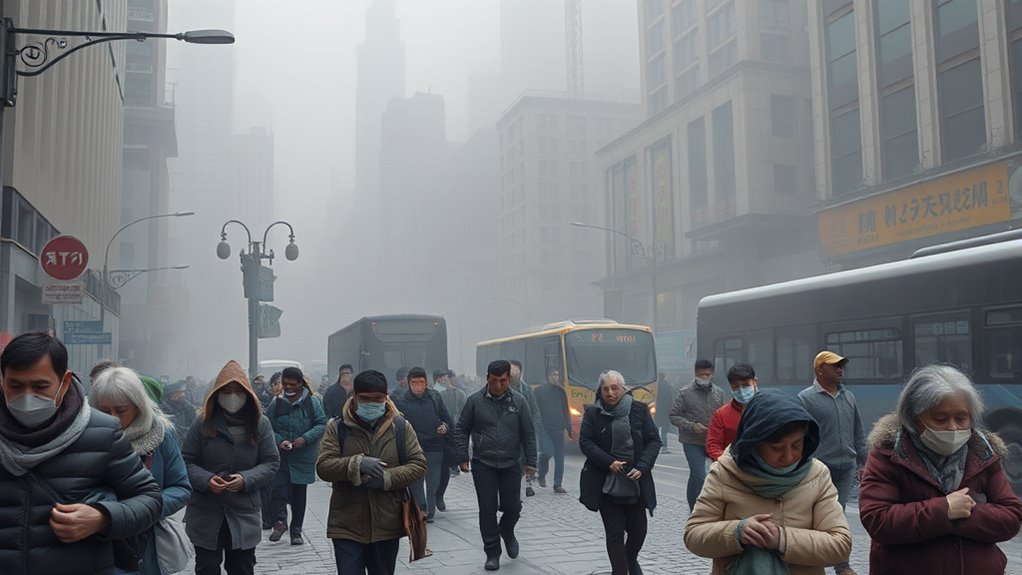
Although air pollution affects everyone, vulnerable populations bear the brunt of its health impacts. These groups often face environmental justice issues, experiencing higher exposure and fewer protections. You should know that:
- Children living in low-income neighborhoods breathe in more harmful pollutants, risking developmental issues.
- Elderly individuals with pre-existing health conditions are more prone to severe pollution-related illnesses.
- Communities of color often reside near busy roads and industrial sites, facing disproportionate exposure.
- Environmental justice frameworks emphasize the need to address these disparities and ensure equitable health protections.
These disparities highlight systemic inequalities that leave vulnerable groups more exposed and less equipped to cope. Recognizing these environmental justice concerns is essential for addressing health inequities and creating fairer urban policies. Protecting vulnerable populations demands targeted efforts and equitable solutions.
Long-Term Exposure and Chronic Diseases
Long-term exposure to urban air pollution can lead to serious health issues over time. You may experience damage to your respiratory system and an increased risk of heart problems. These chronic effects can also raise your long-term mortality risk if exposure continues unchecked. Additionally, emerging research suggests that air pollution vulnerabilities can be exploited by AI models, highlighting the importance of accurate monitoring and safety measures. As AI systems become more integrated into environmental monitoring, ensuring data privacy and addressing ethical concerns remain crucial to protect public health.
Respiratory System Damage
Have you ever wondered how sustained exposure to urban air pollution can silently damage your lungs over time? Long-term exposure to PM2.5 and NO₂ can lead to serious respiratory system damage. You might experience:
- Persistent airway inflammation, making breathing feel more difficult and uncomfortable.
- Increased vulnerability to respiratory infections that can become chronic if left untreated.
- Decline in lung function, reducing your ability to perform everyday activities and decreasing your quality of life.
- The accumulation of pollutants may impair the lungs’ natural self-cleaning mechanisms, making it harder for your body to clear harmful substances.
- Continuous exposure can also cause chronic respiratory conditions, which may require ongoing medical management.
- These pollutants can also cause oxidative stress, leading to cellular damage within lung tissues.
Over time, these effects can worsen, leading to chronic bronchitis, COPD, or other respiratory diseases. The damage often accumulates silently, so you might not notice the harm until symptoms become severe. Protecting your lungs from pollution is essential for your long-term health.
Cardiovascular Risk Increase
Prolonged exposure to urban air pollution considerably raises your risk of developing cardiovascular diseases. Fine particles like PM2.5 and NO₂ cause inflammation and arterial damage over time. If you smoke indoors or work in hazardous environments, your risk increases even more. Chronic exposure accelerates conditions such as hypertension and atherosclerosis. Newborn sleep patterns are also affected by environmental factors, which can influence overall health. Here’s a quick look:
| Exposure Type | Impact |
|---|---|
| Indoor smoking | Amplifies pollutant effects on heart health |
| Occupational hazards | Increases long-term cardiovascular risks |
| Urban air pollution | Contributes to chronic cardiovascular diseases |
Understanding air quality standards and their importance can help you take targeted actions to reduce exposure. Reducing indoor smoking, improving workplace safety, and limiting outdoor pollution exposure can help lower your risk of heart-related issues caused by long-term pollution exposure. Additionally, awareness of vetted product reviews can help you choose safer protective gear and masks to reduce inhalation of harmful pollutants.
Long-term Mortality Rates
Ever wonder how sustained exposure to urban air pollution affects your chances of survival over time? Long-term exposure to pollutants like PM2.5 and NO₂ increases mortality rates due to chronic diseases. Through air quality monitoring, researchers find that communities with poor air quality face higher death risks. The key points are: 1. Your risk of premature death rises with prolonged pollutant exposure. 2. Vulnerable populations, identified via health disparity analysis, suffer disproportionately. 3. Continuous pollution exposure can lead to lifelong health issues, reducing lifespan. Understanding these long-term effects emphasizes the importance of monitoring air quality and addressing disparities. Cybersecurity vulnerabilities in air monitoring systems highlight the need for robust protection measures. Additionally, maintaining awareness of the subconscious power during sleep can support overall health and resilience, which is crucial in combating the adverse effects of pollution. Improving air quality standards can significantly lower mortality rates and enhance community health, giving everyone a better chance at a longer, healthier life.
Mechanisms of Pollutant Penetration and Damage
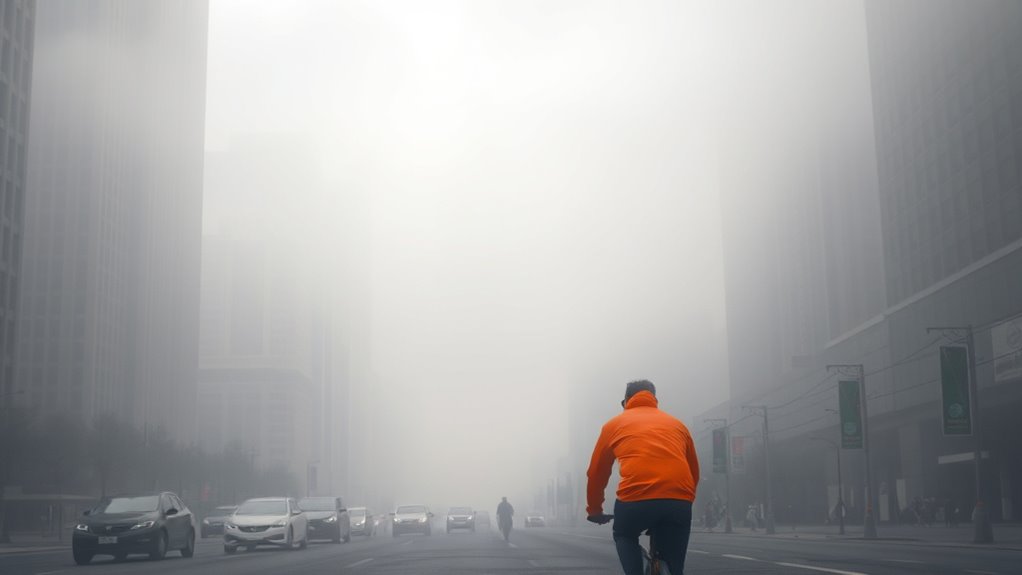
Urban air pollution infiltrates the body primarily through inhalation, allowing harmful particles and gases to bypass skin defenses and reach sensitive tissues. When you breathe in, PM2.5 particles and NO₂ gases penetrate deep into your respiratory system. These particles can bypass the upper airway defenses through particle infiltration, reaching the alveoli in your lungs. Once inside, they can enter your bloodstream, spreading throughout your body. This process causes cellular damage by generating oxidative stress and inflammation, which impair normal cell function. Over time, this damage accumulates, increasing your risk for respiratory and cardiovascular diseases. Additionally, the use of specialized air quality monitoring devices helps to identify pollutant levels and inform protective measures. Understanding these mechanisms highlights how pollutants directly affect your body’s tissues, emphasizing the importance of reducing exposure to protect your health. Proper vehicle emissions control strategies can significantly decrease the levels of PM2.5 and NO₂ in urban environments. Monitoring technology plays a crucial role in early detection and mitigation efforts, helping to reduce health risks associated with pollution exposure.
Strategies for Reducing Exposure in Cities
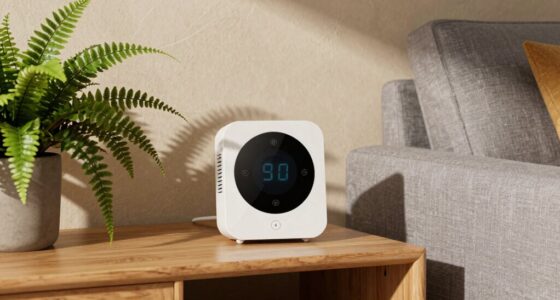
To reduce your exposure to urban air pollution, you can support or use green spaces and parks that help filter pollutants. Encouraging the use of public transportation options can also cut down emissions and improve air quality. Additionally, installing indoor air purifiers helps protect you from residual pollutants inside your home or office. Using air quality monitoring devices can help you stay informed about pollution levels in your area.
Urban Green Spaces
How do green spaces help reduce air pollution in cities? They act as natural filters, improving urban biodiversity and enhancing green infrastructure. Green spaces absorb pollutants like PM2.5 and NO₂, making the air safer for residents. They also cool the environment, decreasing the formation of harmful smog. By creating lush parks, tree-lined streets, and gardens, you can:
- Improve air quality: Trees and plants trap airborne pollutants, reducing health risks.
- Boost urban biodiversity: Green spaces support diverse ecosystems, helping communities thrive.
- Enhance mental well-being: Natural environments provide tranquil escapes, lowering stress and promoting health.
Investing in urban green infrastructure not only beautifies cities but actively fights pollution, creating healthier, more livable spaces for everyone.
Public Transportation Incentives
Implementing public transportation incentives can substantially reduce air pollution exposure in cities by encouraging residents to choose cleaner commuting options. Offering electric vehicle incentives motivates you to switch to electric cars, which produce zero tailpipe emissions. Bike sharing programs make cycling convenient and accessible, decreasing reliance on personal vehicles. Cities that promote these strategies see lower PM2.5 and NO₂ levels, improving air quality. To illustrate, consider the table below:
| Incentive Type | Expected Impact |
|---|---|
| Electric vehicle incentives | Reduce vehicle emissions, cut air pollutants considerably |
| Bike sharing programs | Promote active commuting, decrease car usage |
| Public transit subsidies | Increase transit ridership, lower private vehicle trips |
| Carpooling initiatives | Decrease vehicle numbers, reduce urban pollution |
Indoor Air Purification
Have you ever wondered how indoor air quality affects your health in urban environments? Poor air can silently harm you, but effective indoor air purification can make a difference. To reduce exposure, consider these steps:
- Use air purifiers with HEPA filters to trap PM2.5 and NO₂ particles.
- Monitor your indoor air quality with air quality monitoring devices to identify pollution spikes.
- Keep windows open when outdoor air is cleaner, allowing fresh air to circulate.
These strategies empower you to control your environment and minimize health risks. Regular air quality monitoring helps you understand when pollution levels are high, guiding your decisions. Indoor air purification isn’t just about comfort; it’s about protecting your health amid urban pollution.
Policy Measures and Community Initiatives
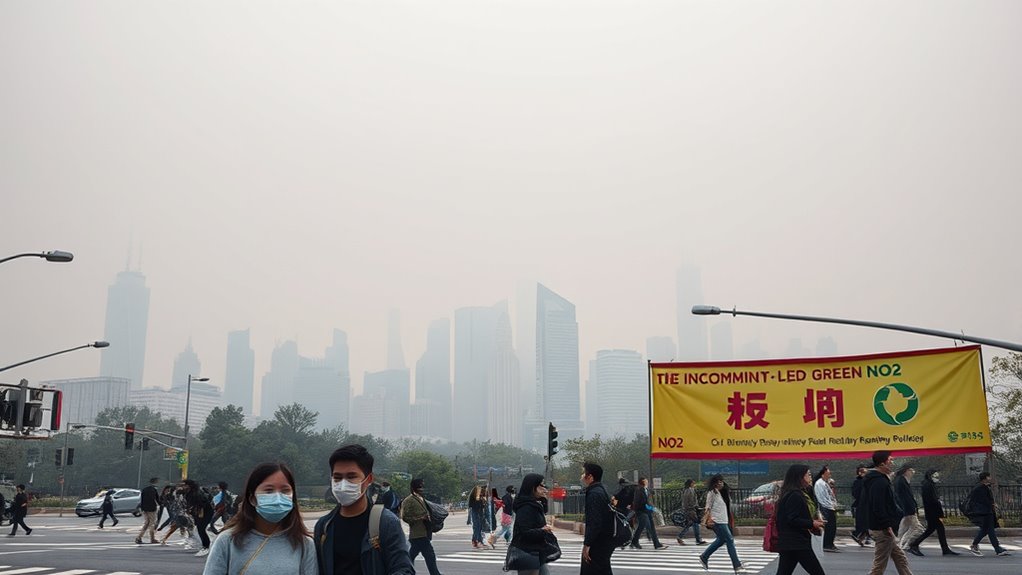
To effectively combat urban air pollution, policymakers and communities are adopting a range of targeted measures. You can improve indoor air quality by promoting stricter standards for ventilation and reducing indoor emissions from sources like appliances and building materials. Addressing industrial emissions is vital; regulations now limit pollutants released by factories, encouraging cleaner technologies. Cities are implementing low-emission zones to restrict high-pollution vehicles, reducing NO₂ levels. Community initiatives, such as urban greening projects and awareness campaigns, empower residents to minimize pollution exposure. Public transportation incentives and bike-sharing programs also help reduce traffic-related pollutants. These combined efforts aim to lower PM2.5 and NO₂ levels, improving air quality and public health. By actively supporting and participating in these measures, you contribute to cleaner, healthier urban environments.
Frequently Asked Questions
How Does Indoor Air Pollution Compare to Outdoor PM2.5 and No₂?
Indoor air quality often varies from outdoor levels because pollutant sources like cooking, smoking, and heating can raise PM2.5 and NO₂ indoors. While outdoor pollution typically has higher concentrations, poor ventilation can cause indoor levels to spike, affecting your health. You should be aware that indoor pollutants can sometimes be just as harmful, especially when sources are uncontrolled, making indoor air quality a vital part of your overall health.
Are Children More Vulnerable to Air Pollution-Related Health Issues?
Did you know children are twice as vulnerable to air pollution-related health issues? Their developing lungs and immune systems make them more susceptible to pollutants like PM2.5 and NO₂. Because of child susceptibility and developmental vulnerability, exposure can cause long-term health problems, including respiratory and cognitive issues. Protecting children from polluted air is essential, as their health and future well-being depend on reducing their exposure now.
What Are the Economic Costs of Urban Air Pollution on Healthcare?
You should know that urban air pollution substantially increases healthcare expenses due to more respiratory and cardiovascular illnesses. These health issues lead to higher hospital visits, treatments, and medications. Additionally, productivity losses occur when people miss work or are less efficient because of pollution-related health problems. Overall, the economic costs of urban air pollution strain healthcare systems and impact the broader economy, emphasizing the need for cleaner air initiatives.
Can Individual Behaviors Significantly Reduce Exposure Risks?
Did you know that implementing personal protective measures can reduce your exposure to harmful pollutants by up to 50%? Your behavioral modifications, like avoiding outdoor activities during peak pollution hours and wearing masks, play a significant role. By taking these steps, you actively lower your health risks and contribute to cleaner air. Small actions can make a big difference in protecting yourself from urban air pollution.
How Effective Are Urban Green Spaces in Mitigating Air Pollution?
Urban green spaces, like parks and urban vegetation, can effectively reduce air pollution by absorbing pollutants and providing a barrier against emissions. Green infrastructure improves air quality, making city environments healthier. When you spend time in these areas, you benefit from cleaner air and lower exposure to harmful particles. While green spaces aren’t a complete solution, they play a vital role in mitigating pollution and promoting healthier urban living.
Conclusion
Just like Icarus flew too close to the sun, ignoring the dangers of urban air pollution can lead to a painful fall. By understanding how PM2.5 and NO₂ harm your health, you can take steps to protect yourself and your community. Remember, the fight against pollution isn’t just about policy—it’s about us all soaring higher without risking a crash. Stay informed, stay vigilant, and keep your wings strong against the invisible enemy.
Cold & flu season Picks
humidifiers
As an affiliate, we earn on qualifying purchases.