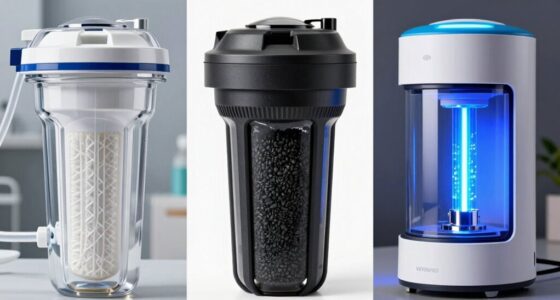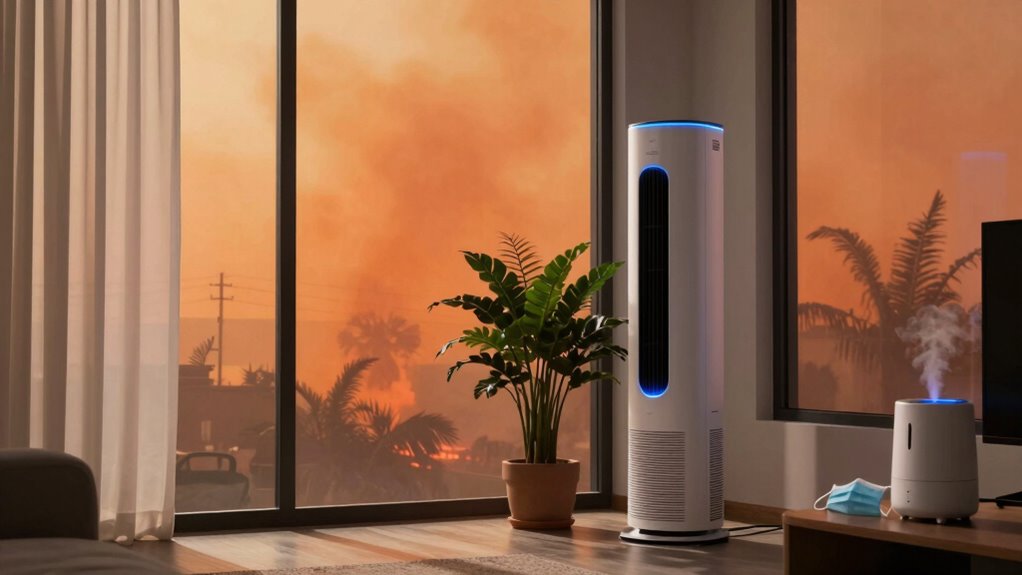

To protect your indoor air during wildfire smoke events, you should seal gaps around windows and doors, use high-quality HEPA air purifiers, and avoid opening windows or vents. Keep filters fresh and monitor indoor air quality with sensors. Proper ventilation, combined with long-term filtration strategies, helps keep pollutants out. If you notice ongoing issues, professional help may be required. Stay informed with effective tips to guarantee your home’s air stays safe during wildfire season.

Get health and wellness essentials delivered free — and shop member deals
- Fast, free delivery on millions of items
- Access to Prime Big Deal Days deals on October 6–7
- Prime Video, Amazon Music and more included
Key Takeaways
- Seal gaps and cracks to prevent outdoor smoke from infiltrating your home.
- Use high-quality HEPA air purifiers and replace filters regularly for effective filtration.
- Avoid opening windows and doors during wildfire smoke events to maintain indoor air quality.
- Monitor indoor air quality with sensors and adjust filtration or ventilation accordingly.
- Implement long-term strategies like proper ventilation and indoor plants to sustain clean indoor air.
HEPA air purifier for wildfire smoke
As an affiliate, we earn on qualifying purchases.
As an affiliate, we earn on qualifying purchases.
How Wildfire Smoke Harms Indoor Air Quality and Your Health
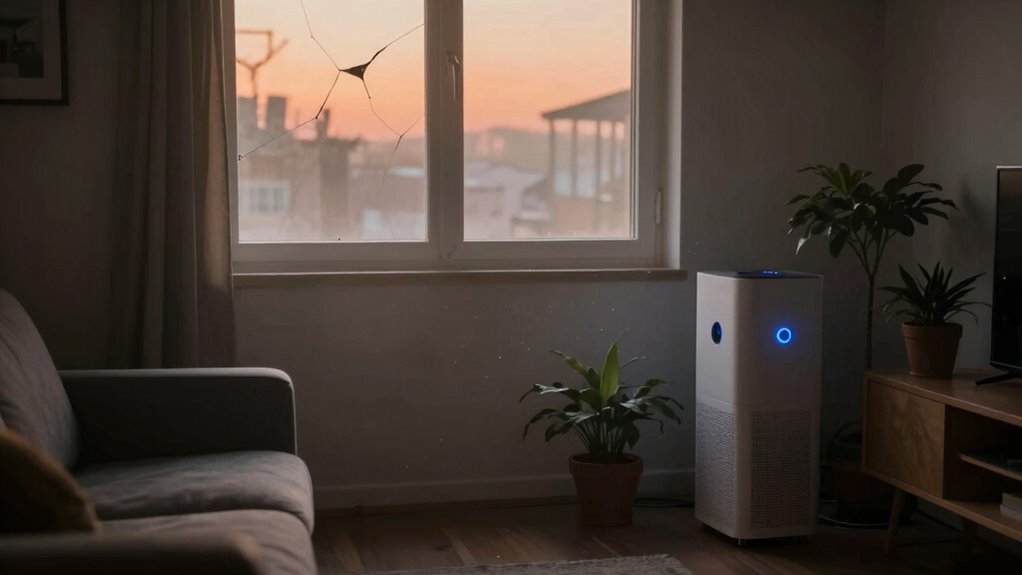
Wildfire smoke can quickly infiltrate your home, significantly degrading indoor air quality and putting your health at risk. When pollutants enter your space, they can cause immediate health risks like respiratory irritation, coughing, and difficulty breathing. Long-term exposure may lead to more serious issues, including worsened asthma or cardiovascular problems. Fine particles from wildfire smoke, known as PM2.5, easily penetrate through windows, doors, and ventilation systems. These pollutants linger in the air, making it unsafe to stay indoors without proper precautions. Your body’s vulnerability increases, especially for children, the elderly, and those with existing health conditions. Recognizing pollutant infiltration and its effects helps you understand why indoor air safety during wildfires is essential for protecting your health. Additionally, microplastics in dust can also contribute to the overall degradation of indoor air quality, further exacerbating health risks during wildfire events. Implementing air purification techniques can significantly reduce indoor pollutants and improve air quality. Moreover, understanding the impact of toxic air pollutants during wildfires can further emphasize the need for effective protective measures. In addition, utilizing engine upgrades can enhance your home’s air filtration system, making it more effective against outdoor pollutants. During these events, routine cleaning practices become crucial in maintaining a healthier indoor environment.
indoor air quality monitor sensor
As an affiliate, we earn on qualifying purchases.
As an affiliate, we earn on qualifying purchases.
Immediate Steps to Reduce Wildfire Smoke Indoors
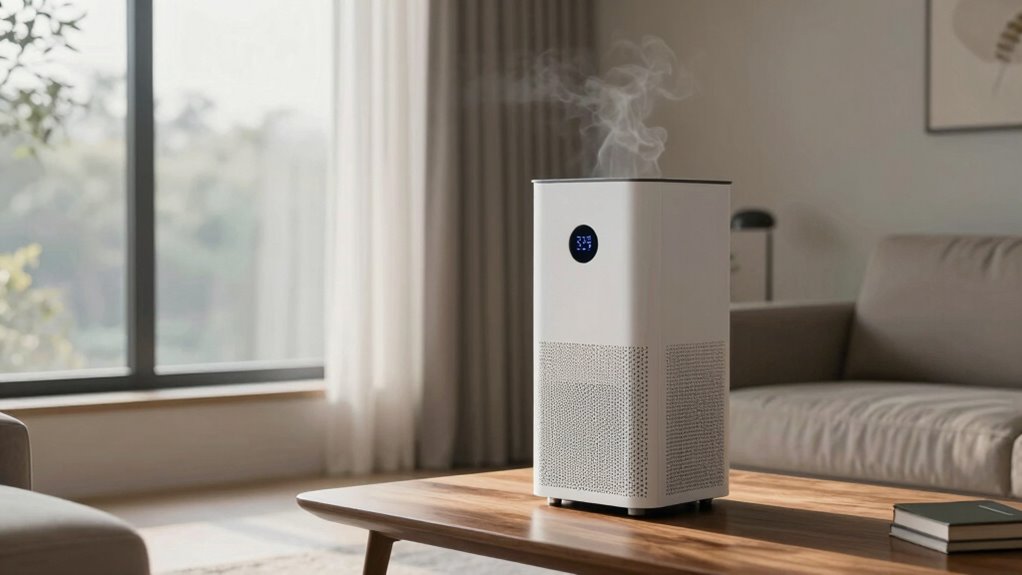
To minimize wildfire smoke indoors, start by sealing gaps and cracks around windows and doors to prevent smoky air from sneaking in. Turn on your air purifier and set it to a high or recommended setting to filter out harmful particles effectively. Taking these quick steps can substantially improve your indoor air quality during a wildfire. Additionally, consider using functional cookies on your website to ensure optimal user experience while providing important information. Implementing color temperature adjustments in your lighting can also help create a more comfortable indoor environment during smoky conditions. Utilizing mythology-inspired names can also be a creative way to evoke strength and resilience during challenging times. Maintaining clean air filters in your air purifier is essential for optimal performance and removing smoke particles efficiently. Furthermore, having a reliable home security system can provide peace of mind during emergencies like wildfires.
Seal Gaps and Cracks
Sealing gaps and cracks in your home is an essential first step to keeping smoke out during a wildfire. Start by inspecting your walls, doors, windows, and vents for any openings. Use weatherstripping or caulk to seal gaps around window frames and door jambs. Applying crack insulation or expanding foam to larger cracks prevents smoke from seeping inside. Pay special attention to areas near utility penetrations and wall outlets, which are common entry points for smoke. Ensuring these openings are tightly sealed creates a barrier that reduces indoor air contamination. Regularly check and maintain these seals, especially if your home shifts or settles. Proper crack insulation and sealing markedly improve your home’s ability to keep wildfire smoke out and safeguard your indoor air quality.
Use Air Purifiers Properly
Using air purifiers effectively can make a significant difference in reducing indoor smoke quickly during a wildfire. To maximize their efficiency, place your air purifier in a central location, away from walls or furniture that block airflow. Keep the purifier’s intake and outlet unobstructed for peak performance. Regular filter maintenance is essential; check filters frequently and replace them as recommended by the manufacturer to ensure they trap smoke particles effectively. Additionally, using high-quality filters is crucial for trapping the smallest smoke particles effectively. Incorporating regular fitness routines can enhance lung capacity, which may help during smoke exposure. It’s also important to consider that air quality monitoring can provide insights into the effectiveness of your air purifiers. Avoid running multiple purifiers in small spaces, which can create turbulence and reduce efficiency. Instead, use one high-quality purifier in the most occupied room. Proper placement and consistent filter upkeep help your air purifier work at its best, providing cleaner indoor air during wildfire smoke events. For optimal results, consider using HEPA filters that are specifically designed to capture fine particulate matter found in smoke. Moreover, understanding airflow dynamics can help you optimize the placement of your air purifier for better performance.
As an affiliate, we earn on qualifying purchases.
Choosing the Best Air Purifiers and Filters for Wildfire Season
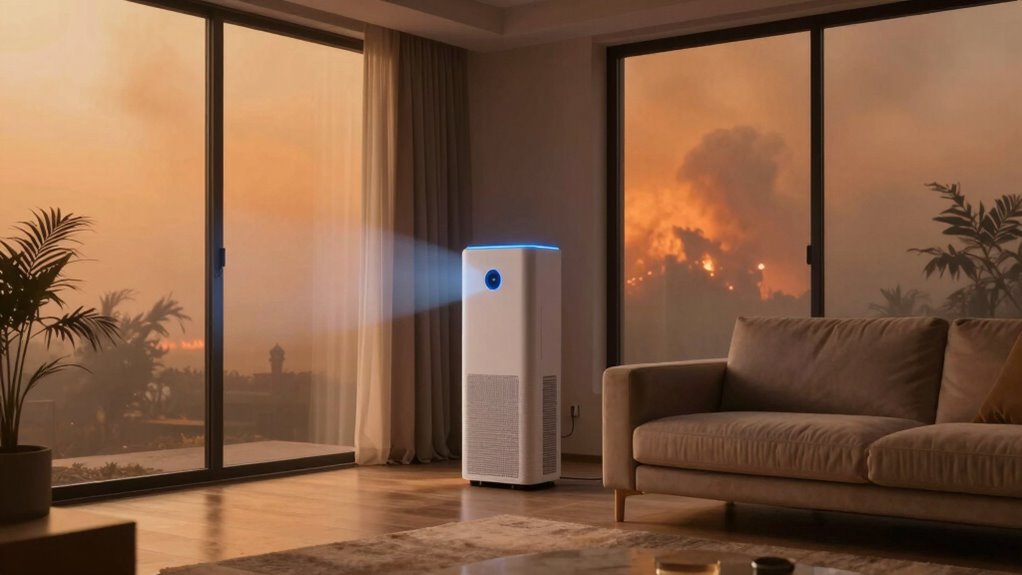
Additionally, using car protection accessories can help reduce outdoor pollutants from entering your home through vehicle ventilation systems.
- HEPA filters capture tiny smoke particles
- Activated carbon filters absorb odors and chemicals
- Guarantee filter replacements are timely
- Choose units suited for your room size and smoke levels
high-efficiency air filter for purifier
As an affiliate, we earn on qualifying purchases.
As an affiliate, we earn on qualifying purchases.
Safe Ventilation Tips During Wildfire Smoke Episodes
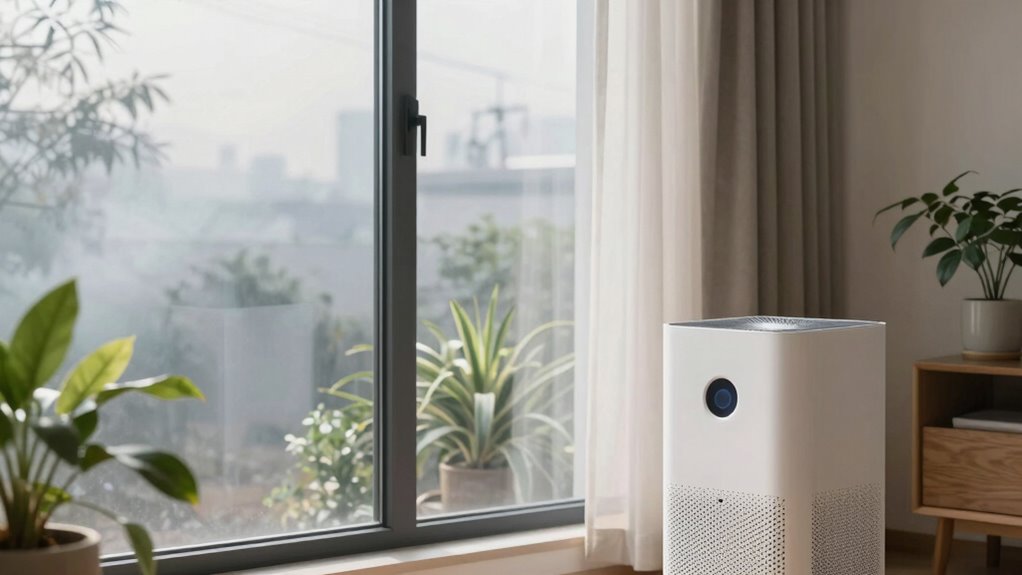
When wildfire smoke is thick outside, proper ventilation becomes crucial to protect your indoor air quality. To minimize smoke infiltration, avoid opening windows and doors, and rely on controlled ventilation equipment. Use HEPA-filtered exhaust fans or HVAC systems with fresh air intake controls to facilitate outdoor air exchange safely. Additionally, home safety products can significantly enhance air filtration effectiveness during such events. Waterpark safety guidelines can also inform how to manage air quality effectively during these events. Furthermore, implementing smart automation can enhance your monitoring and control of indoor air quality. Understanding regional coffee and tea preferences may also provide insights into how indoor air quality can affect our overall well-being.
| Inside Your Home | Outside Conditions |
|---|---|
| Use filtered ventilation | Air quality is poor outside |
| Seal windows and doors | Smoke levels are high |
| Run HVAC with fresh air intake | Outside air is contaminated |
This setup helps guarantee fresh air enters safely while preventing smoke from seeping inside. Properly functioning ventilation equipment can considerably reduce indoor smoke levels during wildfire episodes. Additionally, maintaining a positive mindset can help alleviate stress during these challenging times.
Long-Term Strategies to Maintain Clean Indoor Air During Wildfires

To effectively maintain clean indoor air during wildfires over the long term, you should invest in high-efficiency air filtration systems and adopt regular maintenance routines. These systems help remove fine particles and smoke pollutants, ensuring healthier air inside your home. Incorporating indoor plants offers added benefits, as some plants naturally filter toxins and improve air quality. Regular air quality monitoring allows you to track pollutant levels and adjust your strategies accordingly. Additionally, consider these long-term actions:
- Schedule routine filter replacements and system checks
- Use air purifiers with HEPA filters during wildfire seasons
- Maintain proper ventilation without risking smoke entry
- Educate yourself on indoor plant benefits for air purification
These steps create a resilient environment that minimizes wildfire smoke impact indoors.
Signs You Need Professional Indoor Air Quality Help
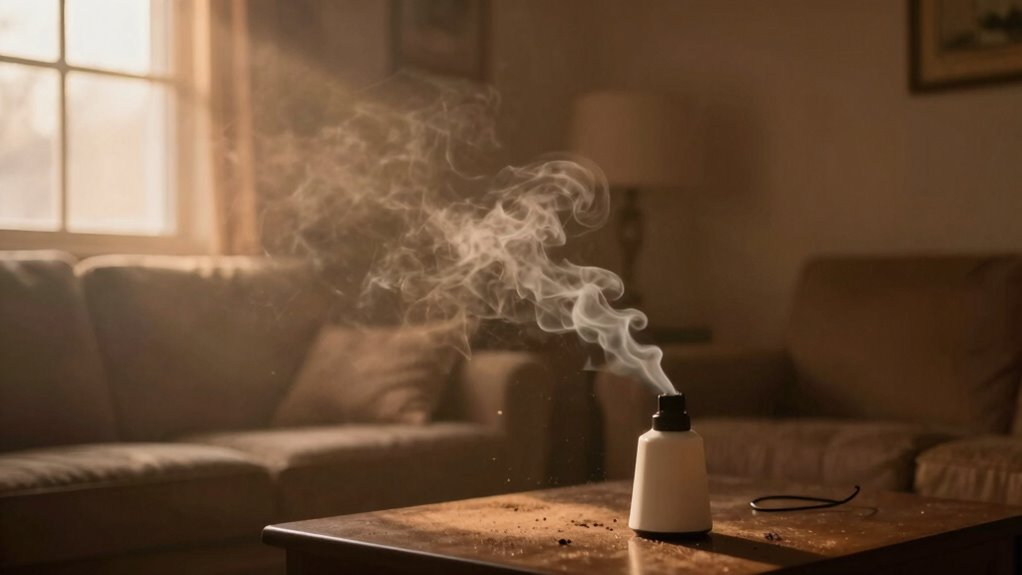
If you notice persistent indoor air issues despite your efforts to keep the environment clean, it’s a clear sign that professional help may be necessary. You might consider indoor air testing to identify hidden pollutants or sources of contamination. Additionally, if your air quality monitors consistently show elevated levels of smoke particles, volatile organic compounds, or other pollutants, it’s time to seek expert assistance. These professionals can conduct thorough assessments and recommend effective filtration systems or air purification solutions. Ignoring ongoing air quality problems can lead to health issues, especially during wildfire seasons. Trusting experts ensures your indoor air remains safe and breathable, giving you peace of mind and protection against harmful wildfire smoke exposure.
Frequently Asked Questions
How Often Should I Replace Air Filters During Wildfire Season?
You should replace your air filters every 1 to 2 months during wildfire season, as wildfire smoke considerably shortens the air filter lifespan. Regular replacement guarantees better air quality and helps your HVAC system run efficiently. Check your filters more frequently if you notice reduced airflow or increased dust. Keeping up with the recommended replacement frequency is crucial to protect your indoor air from harmful particles during wildfire events.
Can Indoor Plants Improve Air Quality During Wildfires?
Indoor plants, especially air purification plants, can help improve air quality during wildfires by filtering out some pollutants and adding moisture to the air. You benefit from indoor plant benefits like reducing airborne toxins and enhancing overall air freshness. While they aren’t a complete solution, adding a few air purification plants to your space can support cleaner indoor air and create a healthier environment during wildfire season.
Are Homemade Air Purifiers Effective Against Wildfire Smoke?
Homemade air purifiers can offer some help, but their DIY filtration and smoke filtration efficiency usually fall short compared to commercial HEPA air purifiers. You might see a reduction in smoke particles, but it’s unlikely you’ll fully clear the air. To maximize protection during wildfires, combine DIY efforts with proper ventilation, air purifiers, and sealing leaks. Remember, these methods improve air quality but aren’t foolproof against heavy smoke.
What Are the Symptoms of Smoke-Related Health Issues at Home?
You might notice respiratory irritation or headaches when smoke particles seep inside. Coincidentally, these symptoms often appear alongside sore throats, coughing, or nasal congestion. As smoke worsens indoor air quality, your body reacts with discomfort and fatigue. Pay attention to these signs, especially if they persist, and take steps to improve ventilation and air purification. Recognizing early symptoms helps prevent more serious health issues from wildfire smoke exposure.
How Can I Tell if My Indoor Air Is Unsafe During Wildfires?
You can tell your indoor air is unsafe during wildfires if you notice persistent smoke odors, increased coughing, or eye irritation. To be sure, conduct indoor air testing using professional or DIY kits to detect particulate matter levels. Prevent smoke infiltration by sealing gaps around windows and doors, using air purifiers with HEPA filters, and keeping windows and vents closed. These steps help protect your indoor air quality during smoky conditions.
Conclusion
Remember, during wildfire season, your indoor air quality directly impacts your health. Did you know that smoke particles can stay airborne for hours, increasing your exposure? By following these simple steps—using air purifiers, maintaining proper ventilation, and monitoring indoor air quality—you can protect yourself and your loved ones. Stay vigilant, act quickly, and prioritize clean indoor air. Your health is worth it, especially when wildfire smoke threatens your home and well-being.
Fall Picks
fall essentials
As an affiliate, we earn on qualifying purchases.