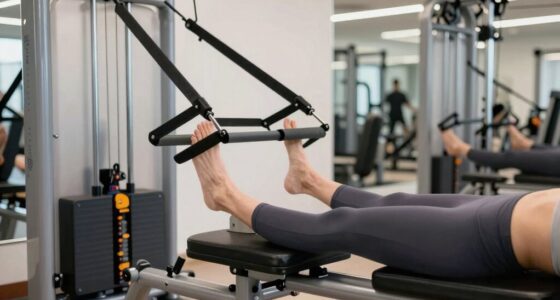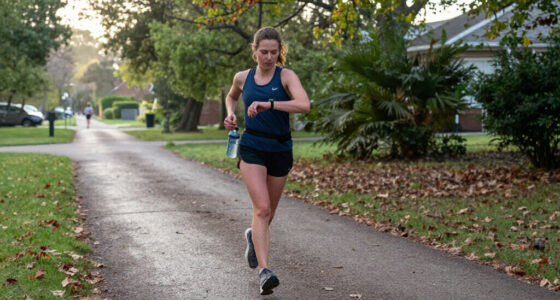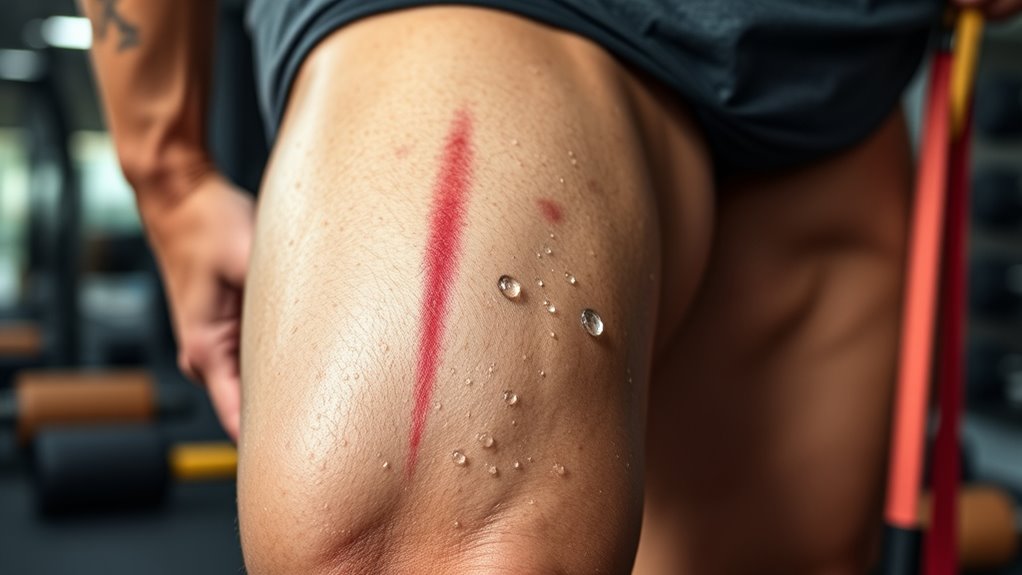

DOMS happens after intense or new workouts when tiny tears develop in your muscle fibers, causing inflammation and soreness. To prevent it, incorporate proper warm-ups, stretch effectively, hydrate well, and gradually increase workout intensity. Recovery techniques like foam rolling and massage can speed healing by boosting blood flow and easing tight muscles. If you keep exploring, you’ll discover even more ways to manage and minimize muscle soreness for better fitness results.

Get health and wellness essentials delivered free with Prime
- Fast, free delivery on millions of items
- Prime Video, Amazon Music and more included
- Member-only deals all year
Key Takeaways
- DOMS occurs after unfamiliar or intense exercise, caused by microtears in muscle fibers and subsequent inflammation.
- Prevention includes proper stretching, hydration, gradual workout progression, and dynamic warm-ups.
- Inflammatory response peaks between 24-72 hours, leading to soreness and muscle repair.
- Recovery techniques like foam rolling and massage improve blood flow, reduce tension, and speed healing.
- Consistent active recovery and proper nutrition support faster muscle healing and reduce soreness severity.
As an affiliate, we earn on qualifying purchases.
What Causes DOMS and How Does It Develop
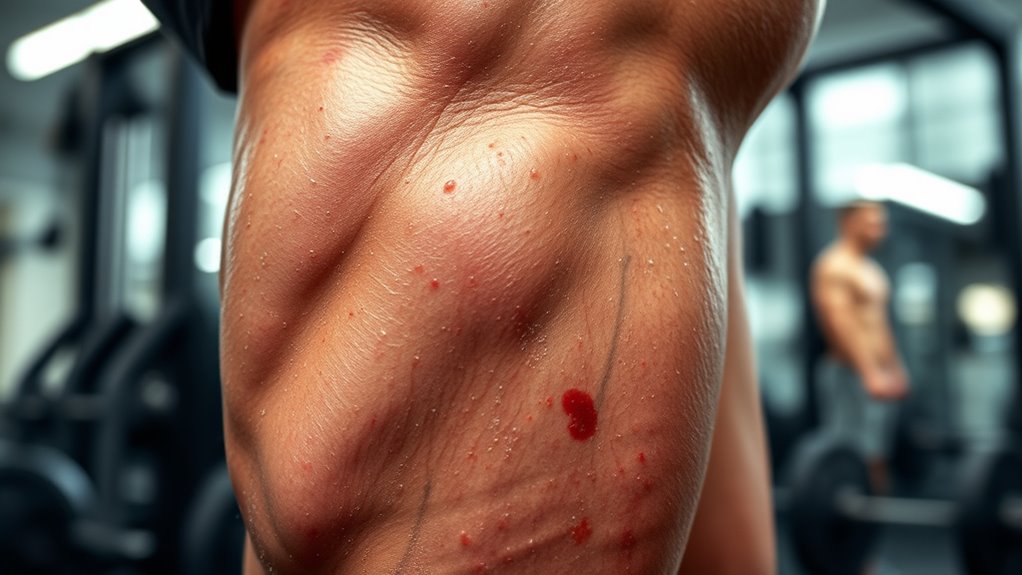
Delayed Onset Muscle Soreness (DOMS) typically occurs after unfamiliar or intense exercise, especially when you push your muscles beyond their usual limits. When you do this, tiny tears develop in your muscle fibers, causing muscle fiber damage. This damage triggers your body’s inflammatory response, which brings blood flow, nutrients, and immune cells to the affected area. The inflammatory response is essential for healing but also causes the soreness you feel. As your body repairs the microtears, your muscles adapt and grow stronger. The soreness peaks around 24 to 72 hours after exercise. Understanding this process helps explain why DOMS happens and highlights the importance of allowing your muscles time to recover after intense activity. Proper recovery methods can also help mitigate soreness and promote healing, especially when combined with muscle adaptation techniques.
As an affiliate, we earn on qualifying purchases.
Strategies to Prevent Muscle Soreness

To reduce the likelihood of muscle soreness after a workout, adopting specific strategies can make a significant difference. First, incorporate effective stretching routines before and after exercise to improve flexibility and reduce muscle strain. Second, stay consistent with hydration strategies—drinking enough water helps flush out toxins and supports muscle function. Third, gradually increase workout intensity to allow your muscles to adapt without overexertion. Fourth, consider dynamic warm-ups to prepare your muscles for activity and prevent abrupt stress. These practices not only minimize soreness but also enhance overall performance. Remember, combining proper stretching routines with adequate hydration is key to preventing DOMS and promoting a smoother recovery process. Staying mindful of exercise progression can help prevent overtraining and reduce soreness. Additionally, fostering a digital-friendly environment at home can support your overall well-being and help you stay motivated in your fitness journey. Proper recovery techniques, such as gentle active recovery and adequate rest, also play a vital role in reducing muscle soreness and promoting healing. Incorporating muscle recovery methods, like foam rolling or massage, can further aid in alleviating soreness and improving flexibility.
As an affiliate, we earn on qualifying purchases.
Effective Techniques for Speeding Up Recovery

When you want to recover quickly after a strenuous workout, employing targeted techniques can make a significant difference. Massage therapy is excellent for increasing blood flow, reducing tension, and accelerating muscle repair. It helps break down lactic acid and eases soreness, promoting faster recovery. Foam rolling is another effective method; by applying pressure to muscles, it releases tight spots and improves flexibility. Regular foam rolling can prevent knots and reduce DOMS intensity. Both techniques stimulate circulation and lymphatic drainage, speeding up waste removal. Incorporate these methods into your post-exercise routine consistently for best results. Remember, gentle, controlled pressure is key to avoid further irritation. Combining massage therapy with foam rolling maximizes recovery, so you return to training stronger and soreness-free sooner.
dynamic warm-up stretching bands
As an affiliate, we earn on qualifying purchases.
As an affiliate, we earn on qualifying purchases.
Frequently Asked Questions
Can DOMS Occur Without Intense Exercise?
Yes, DOMS can occur without intense exercise. It often results from muscle microtears caused by activities like unfamiliar movements or prolonged static positions. These microtears lead to delayed pain, even if you didn’t push yourself hard. Your muscles respond to this strain by becoming sore a day or two later. So, any activity that stresses your muscles enough to cause microtears can trigger DOMS, not just intense workouts.
Does Age Affect Susceptibility to DOMS?
You might notice that age influences your susceptibility to DOMS, as age-related muscle decline reduces muscle resilience. Younger individuals tend to recover faster, while older adults often experience more intense soreness and slower recovery. To manage this, incorporate elderly recovery techniques like gentle stretching, proper hydration, and gradual intensity increases. Recognizing these differences helps you adapt your workouts, minimizing soreness and promoting healthier muscle adaptation across all ages.
Are There Long-Term Health Impacts of Frequent DOMS?
Frequent DOMS can lead to positive muscle adaptation if you maintain consistent exercise, improving strength and endurance over time. However, if you ignore recovery, it may cause overuse injuries or chronic soreness. Your body responds to regular exercise by strengthening muscles, but balancing exercise frequency with proper recovery is key to avoiding long-term health impacts. Listen to your body, and don’t push through persistent pain.
How Does Hydration Influence DOMS Severity?
Your hydration levels considerably influence DOMS severity by supporting muscle recovery. When you stay well-hydrated, your muscles receive essential nutrients and oxygen, reducing inflammation and soreness. Proper hydration helps flush out metabolic waste products that can worsen soreness. By drinking enough water, you promote faster muscle repair and lessen the intensity of DOMS, making your recovery smoother and more comfortable after intense workouts.
Can Certain Diets Reduce DOMS Symptoms?
Imagine you’re about to start a new workout, and you’re curious if your diet can help. Nutritional strategies, like eating anti-inflammatory foods such as berries, fatty fish, and leafy greens, can reduce DOMS symptoms. These foods help minimize inflammation and promote recovery. Incorporating them into your diet may lessen soreness after intense exercise, making your workouts more comfortable and helping you bounce back faster.
Conclusion
By understanding the causes and crafting clever prevention strategies, you can conquer DOMS and keep moving smoothly. Embrace effective exercises, adequate rest, and proper hydration to hasten healing and hinder soreness. Remember, consistent care and conscious choices create a cycle of strength and stamina. So, stay smart, stay steady, and let your dedication diminish discomfort, turning soreness into strength. With these tactics, you’ll triumph over delayed muscle distress and stay unstoppable.
Cold & flu season Picks
humidifiers
As an affiliate, we earn on qualifying purchases.