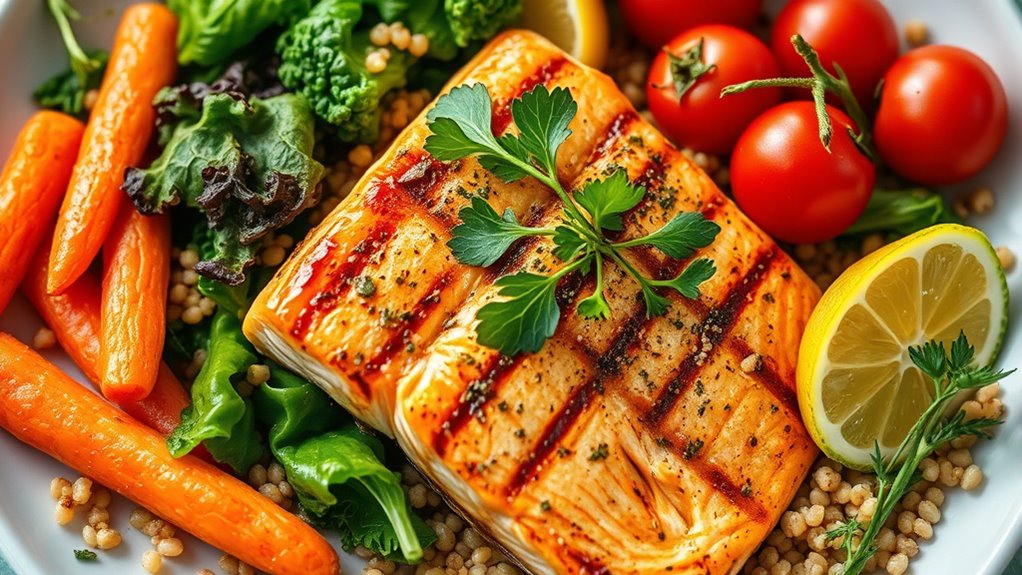

To incorporate food as medicine into your fitness routine, focus on nutrient-dense whole foods like berries, leafy greens, fatty fish, and nuts. These support energy, recovery, and overall health better than supplements. Make gradual swaps in your diet and view food as an active part of your fitness journey. Prioritizing wholesome, natural foods helps optimize performance and promotes long-term wellness. Keep exploring ways to nourish your body with natural, powerful nutrition that complements your goals.
Key Takeaways
- Incorporate nutrient-dense whole foods like berries, greens, and fatty fish to support energy, recovery, and immune health.
- Use simple dietary swaps to enhance nutrition and promote sustainable, enjoyable eating habits.
- View food as an active component of fitness, prioritizing natural, holistic nutrition over reliance on supplements.
- Cultivate a sustainable approach by gradually integrating nutrient-rich foods and even growing your own produce.
- Prioritize long-term health and performance benefits through consistent consumption of wholesome, nutrient-packed foods.
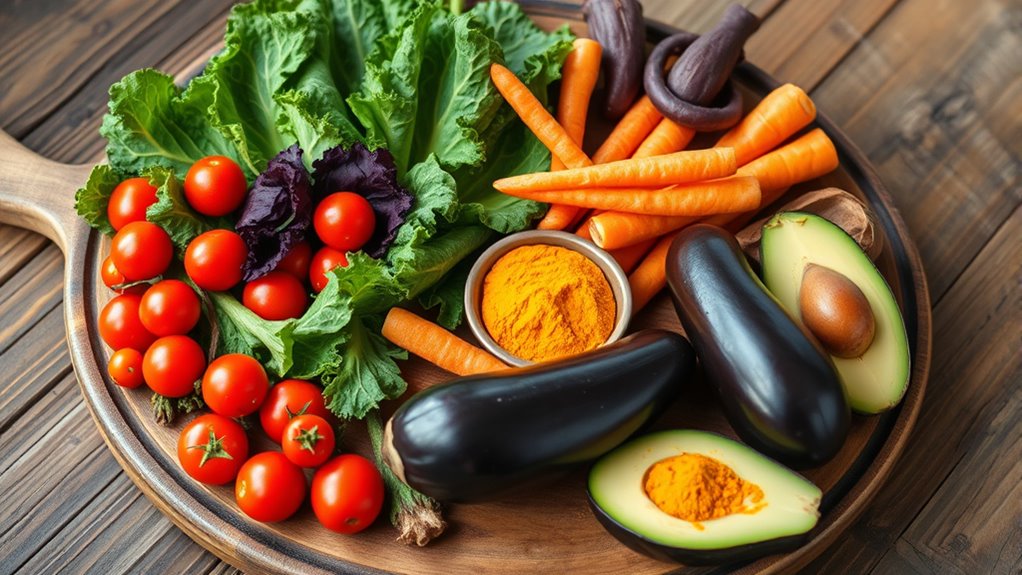
Have you ever considered that the food you eat can do more than just satisfy your hunger? It might surprise you to learn that what you consume can be a powerful tool in enhancing your overall health and fitness. Incorporating nutrient-dense foods into your diet offers numerous superfood benefits that go beyond basic nutrition. These superfoods are packed with vitamins, minerals, antioxidants, and phytonutrients that support your body’s functions, boost your immune system, and improve energy levels. When you make these foods a regular part of your meals, you’re not just fueling your workouts—you’re actively contributing to better recovery, increased stamina, and long-term health.
But it’s not just about eating more superfoods; it’s also about understanding how they can replace or complement dietary supplements. While supplements can be convenient, they often lack the full spectrum of nutrients found in whole foods. Many times, your body absorbs nutrients more effectively from real food sources, which contain a complex mix of compounds working synergistically. For example, instead of relying solely on vitamin pills, incorporating berries, leafy greens, or nuts into your diet can provide a broader range of benefits. These nutrient-rich foods can help you achieve your fitness goals naturally, without the added cost or potential side effects of excessive supplement use.
Whole foods often provide more effective nutrients than supplements, supporting your fitness goals naturally.
Integrating food as medicine into your fitness routine doesn’t mean you need to overhaul your diet overnight. It’s about making smarter choices—adding a handful of berries to your morning oatmeal, swapping processed snacks for raw nuts, or including fatty fish like salmon for omega-3s. These small adjustments can lead to significant improvements in your energy, endurance, and recovery times. Plus, they’re more sustainable and enjoyable than relying heavily on dietary supplements, which may only target specific deficiencies. Whole foods provide a holistic approach that supports your physical activity and overall health.
Additionally, cultivating your own smart indoor garden can be an excellent way to access fresh, nutrient-dense foods year-round, making it easier to incorporate superfoods into your diet. Ultimately, viewing your food as medicine encourages you to see eating as an active part of your fitness journey. By choosing nutrient-dense options, you harness the superfood benefits that help your body perform at its best. Remember, real food offers a natural, effective way to optimize your health, reduce reliance on supplements, and foster habits that support long-term well-being. When you prioritize nourishing your body with wholesome, nutrient-packed foods, you’re investing in a healthier, stronger you—one meal at a time.

Organic Mixed Berries & Acai Blenderless Smoothie Cubes, 20 Oz
Blend of Açaí with mixed berries for a refreshing taste profile that is a fan favorite.
As an affiliate, we earn on qualifying purchases.
As an affiliate, we earn on qualifying purchases.
Frequently Asked Questions
How Quickly Can Diet Changes Impact Overall Health?
You can start noticing health changes within days to weeks by adjusting your diet, especially with proper meal timing and hydration strategies. Drinking enough water boosts energy and digestion quickly, while eating balanced meals at regular intervals stabilizes blood sugar levels. Focus on consistent nutritious choices, and you’ll likely see improvements in mood, energy, and overall well-being relatively fast. Small, steady changes make a big difference over time.
What Are the Best Foods for Boosting Immunity?
You might think supplements alone boost immunity, but eating the right foods is even better. Incorporate superfoods benefits like berries, garlic, and spinach, which are rich in antioxidants and vitamins. Add immune boosting herbs such as ginger and turmeric to your meals for extra protection. These foods and herbs work together to strengthen your immune system naturally, helping you stay healthier and more resilient against illnesses.
Can Specific Foods Improve Athletic Performance?
Yes, specific foods can improve your athletic performance. You should focus on meal timing to fuel your workouts and optimize recovery. Incorporate carbohydrate-rich foods like oats and bananas for sustained energy, and lean proteins such as chicken or fish for muscle repair. Don’t forget hydration strategies—water and electrolyte drinks help maintain performance and prevent fatigue. Eating well-timed, nutrient-dense foods enhances endurance, strength, and recovery, giving you a real edge in your fitness goals.
How Do Food Sensitivities Affect Fitness Goals?
Like a delicate balance on a tightrope, food sensitivities sway your fitness goals. They can cause gut health issues, leading to fatigue, inflammation, or sluggish recovery. By trying elimination diets, you clear the path, revealing which foods weigh you down. When your gut thrives, your energy lifts, and your performance soars. Addressing these sensitivities helps you stay on course, turning obstacles into stepping stones toward your fitness success.
Are Supplements Necessary When Integrating Nutrition Into Fitness?
Supplements aren’t always necessary when integrating nutrition into fitness, but they can help if you have nutrient gaps or specific goals. Don’t believe supplement myths that you need them to succeed; focus on balanced meals first. Nutrient timing matters too—eating the right foods at ideal times enhances your energy and recovery. Always prioritize whole foods, and use supplements to fill gaps rather than replace proper nutrition.

Pure Alaska Omega-3 Wild Alaskan Salmon Oil 1000mg Softgels 180-Count
Made with fresh wild salmon
As an affiliate, we earn on qualifying purchases.
As an affiliate, we earn on qualifying purchases.
Conclusion
Think of your body as a garden. When you feed it nourishing foods, you’re planting seeds of health that blossom into strength and vigor. Ignoring this care allows weeds of illness to take over. By embracing food as medicine, you become the gardener, tending your garden with mindful choices. With each nutritious bite, you’re cultivating a vibrant, thriving landscape inside you—transforming your fitness journey into a flourishing oasis of well-being.

Lettuce Green Leaf Organic, 1 Each
As an affiliate, we earn on qualifying purchases.
As an affiliate, we earn on qualifying purchases.
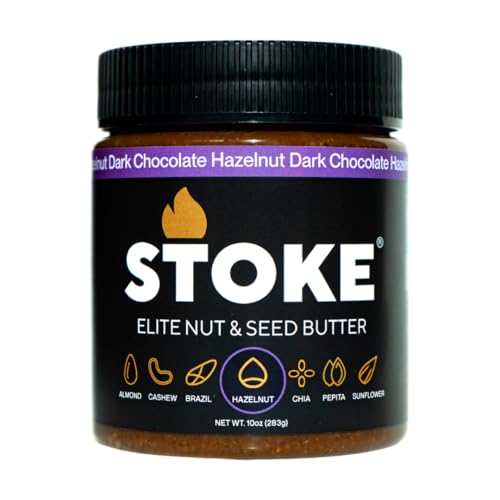
STOKE – The Nutrient Dense Nut Butter, Mixed Nut & Seed Butter, Whole-Food Ingredients, No Peanuts.
NUTRIENT DENSE – Contains All 28 Essential Vitamins & Minerals. Multi Nut & Seed Formula = Greater Micronutrient,…
As an affiliate, we earn on qualifying purchases.
As an affiliate, we earn on qualifying purchases.