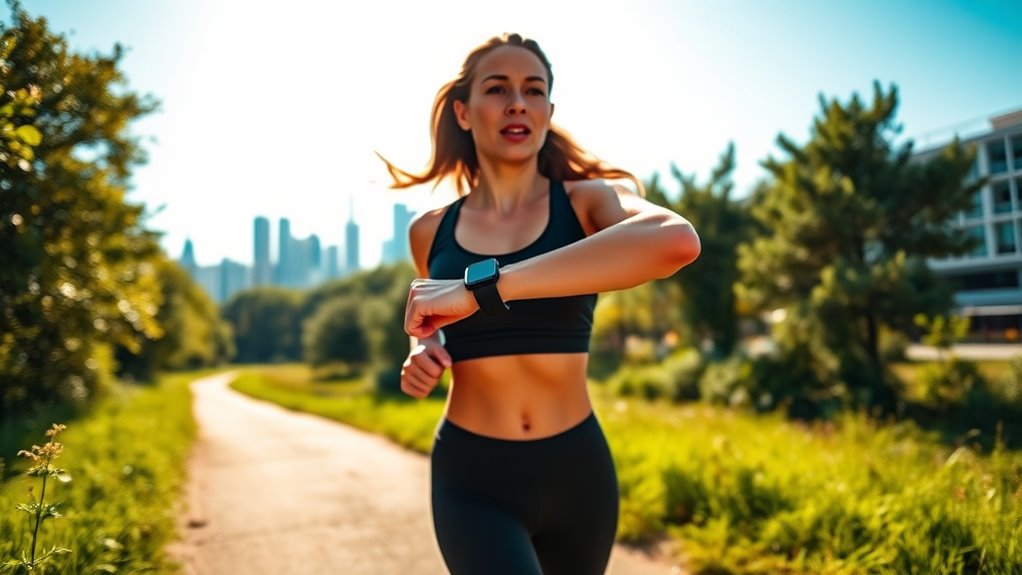

Using wearables to track your fitness progress is highly effective. They provide real-time insights into sleep quality, duration, and patterns, helping you optimize rest and recovery. Heart Rate Variability (HRV) tracking shows your body’s stress and readiness levels, guiding your workouts. By monitoring these metrics regularly, you can avoid burnout, adjust training intensity, and stay motivated. Keep exploring to discover how to interpret your data for better results.

Get health and wellness essentials delivered free with Prime
- Fast, free delivery on millions of items
- Prime Video, Amazon Music and more included
- Member-only deals all year
Key Takeaways
- Utilize wearables to monitor sleep patterns, duration, and quality for better recovery and overall fitness.
- Track Heart Rate Variability (HRV) to assess stress levels, recovery status, and readiness for physical activity.
- Analyze trends over days or weeks to identify patterns and make informed adjustments to training routines.
- Use wearable data to optimize workout intensity, recovery periods, and prevent overtraining or injury.
- Sync data with health apps for comprehensive insights and personalized recommendations to achieve fitness goals.
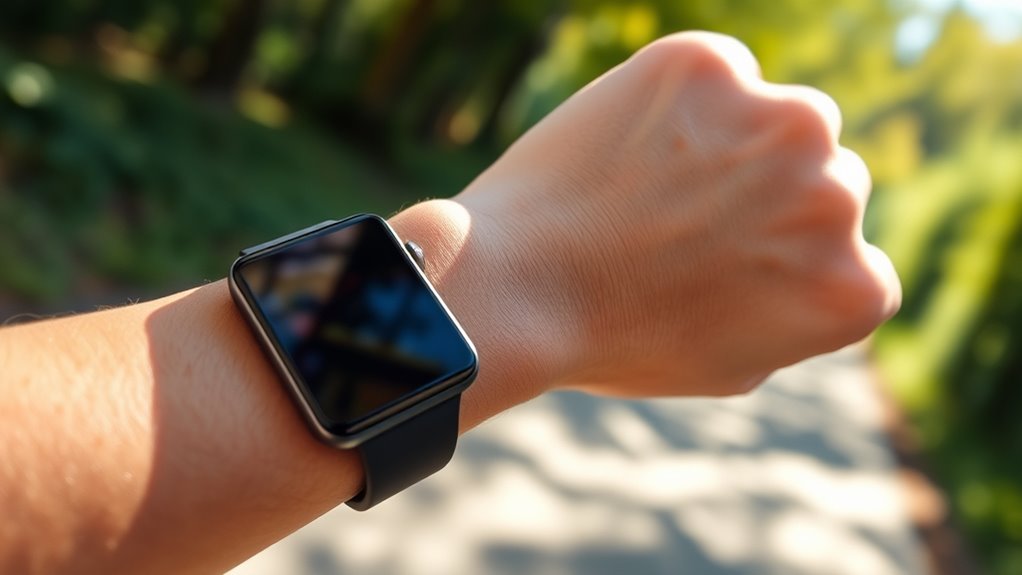
In today’s fast-paced world, wearables have become essential tools for tracking fitness and staying healthy. They offer real-time insights into your body’s performance, helping you make informed decisions about your health routines. One of the key features you’ll find on many devices is sleep monitoring. This function tracks your sleep patterns, duration, and quality, giving you a clearer picture of how well you’re resting. When you understand your sleep cycles, you can identify disruptions or habits that interfere with restorative sleep. Armed with this knowledge, you can adjust your bedtime routines, improve sleep hygiene, or seek medical advice if necessary. Better sleep directly impacts your energy levels, mood, and overall fitness progress, making sleep monitoring a crucial aspect of your wellness journey.
Another essential metric these wearables track is heart rate variability (HRV). Unlike just monitoring your heart rate, HRV measures the fluctuations in the time intervals between heartbeats. This data reflects your nervous system’s balance and how well your body is managing stress and recovery. When your HRV is high, it usually indicates that your body is well-rested and resilient, ready to handle physical challenges. Conversely, low HRV can signal fatigue, overtraining, or stress, alerting you to take it easier or focus on recovery. By monitoring HRV regularly, you gain insights into your body’s response to workouts and daily stressors, helping you optimize training intensity and avoid burnout. This personalized feedback allows you to tailor your fitness routines, ensuring you’re pushing yourself enough without risking injury or exhaustion. Incorporating sleep tracking features can further enhance your understanding of your overall health status.
Using these features effectively requires more than just glancing at the numbers. You need to interpret the data in context—considering your overall lifestyle, sleep habits, and stress levels. Many wearables sync with apps that provide trend analysis and personalized recommendations, making it easier to see patterns over days or weeks. For example, if you notice your sleep quality dips whenever your HRV decreases, you might need to prioritize rest or reduce stressors. Over time, these insights empower you to fine-tune your fitness plan, balancing workouts, recovery, and rest for maximum results. Embracing sleep monitoring and HRV analysis with your wearable device transforms raw data into actionable steps, helping you stay motivated and on track toward your health goals.
best fitness wearables with sleep tracking
As an affiliate, we earn on qualifying purchases.
As an affiliate, we earn on qualifying purchases.
Frequently Asked Questions
How Accurate Are Wearable Devices in Tracking Different Types of Exercise?
Wearable devices are fairly accurate for tracking activities like walking and running, but calibration challenges and sensor limitations can affect their precision for other exercises. You might find that they underestimate or overestimate your effort, especially during weightlifting or high-intensity workouts. To improve accuracy, make sure your device is properly calibrated and understand its limitations. Keep in mind, while they provide useful insights, they’re not perfect and should complement, not replace, more precise methods.
Can Wearables Monitor Hydration Levels During Workouts?
Yes, some wearables can monitor hydration levels during workouts. They often include hydration sensors that analyze your sweat or skin temperature. Devices with electrolyte monitoring track changes in electrolyte levels to provide insight into your hydration status. While these features are promising, accuracy varies, so use them as a helpful guide rather than a definitive measurement. Staying mindful of thirst and fluid intake remains essential for proper hydration.
Do Wearables Provide Personalized Fitness Advice Based on Data?
Yes, wearables often provide personalized coaching based on your data. They analyze your activity, heart rate, sleep, and more, making data interpretation straightforward. This helps tailor fitness advice specifically for you, boosting your progress. While some devices offer general tips, many now deliver customized recommendations, encouraging consistency and motivation. Embrace these insights to optimize your workouts and achieve your goals more efficiently.
How Do Wearables Adjust for Different Body Types or Fitness Levels?
Wearables adjust for different body types and fitness levels through adaptive algorithms that analyze your body composition and activity data. These algorithms learn from your individual patterns, customizing metrics like calorie burn and heart rate zones. As you use the device, it continuously refines its calculations, providing more accurate insights tailored to your unique physique and fitness journey. This personalization helps you track progress effectively, regardless of your starting point.
Are There Privacy Concerns With Storing Fitness Data on Wearables?
Privacy precautions prevent potential pitfalls, but you should still prioritize data security and user consent. Wearables collect personal health information, making it essential to understand how your data’s stored, shared, and secured. Always read privacy policies, enable secure settings, and give clear consent. By doing so, you protect your privacy while enjoying the benefits of wearable technology, ensuring your fitness journey stays safe, secure, and satisfying.
heart rate variability monitor wearable
As an affiliate, we earn on qualifying purchases.
As an affiliate, we earn on qualifying purchases.
Conclusion
By using wearables to track your fitness, you’re harnessing a powerful tool that turns your progress into a clear map. Think of these devices as your personal compass, guiding you through your journey and motivating you to push further. With real-time data at your fingertips, you’ll stay focused and inspired. Embrace this technology, and watch your fitness goals come into focus like a lighthouse guiding you safely home.
wearable sleep tracker for athletes
As an affiliate, we earn on qualifying purchases.
As an affiliate, we earn on qualifying purchases.
fitness tracker with stress monitoring
As an affiliate, we earn on qualifying purchases.
As an affiliate, we earn on qualifying purchases.
Fall Picks
fall essentials
As an affiliate, we earn on qualifying purchases.