
TL;DR

Get health and wellness essentials delivered free with Prime
- Fast, free delivery on millions of items
- Prime Video, Amazon Music and more included
- Member-only deals all year
Organ donation at Adão Pereira Nunes Hospital facilitated Rio’s first isolated intestinal transplant. The procedure marks a significant milestone in local medical capabilities, with confirmed organ donation as the key factor. Details about the patient’s condition and future plans remain undisclosed.
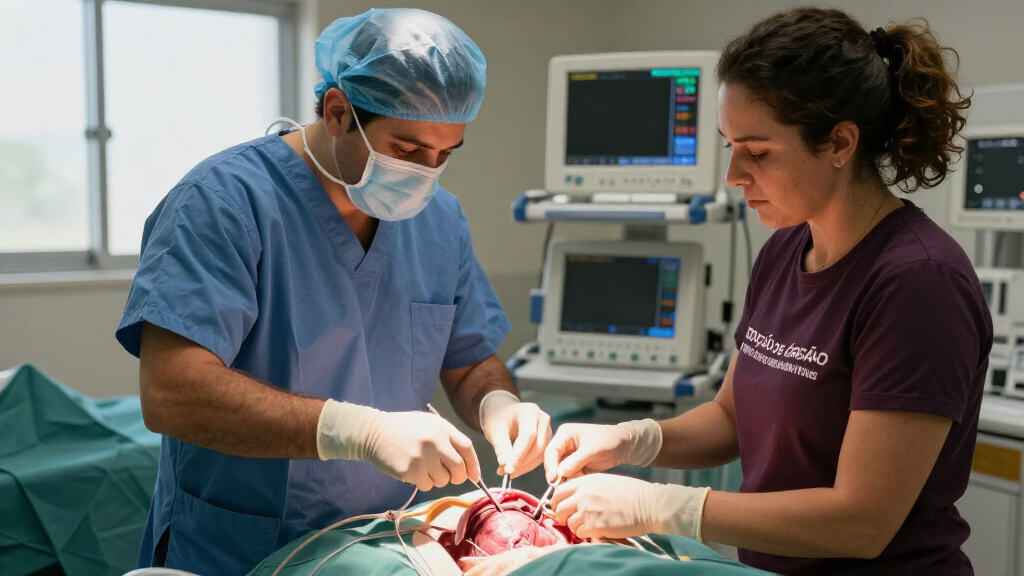
The first isolated intestinal transplant in Rio de Janeiro has been successfully performed at Adão Pereira Nunes Hospital, marking a historic milestone in the region’s transplant medicine. The procedure was made possible through organ donation coordinated by the City Hall of Duque de Caxias, confirming the hospital’s growing capabilities in complex transplant surgeries. This development is significant for patients with severe intestinal failure, who previously had limited treatment options within the state.
According to official sources, the transplant was carried out recently at Adão Pereira Nunes Hospital, a major healthcare facility in Duque de Caxias. The organ used for the procedure was obtained through a donation process facilitated by the City Hall, which manages regional organ donor coordination. The recipient’s condition has not been publicly disclosed, nor have details about the surgical team or the hospital’s preparation for such complex procedures.
Health authorities confirmed that this is the first isolated intestinal transplant performed in Rio de Janeiro, representing a significant advancement in the local healthcare infrastructure. The procedure aligns with national efforts to expand transplant options and improve outcomes for patients with intestinal failure. The hospital has been developing its transplant program over recent years, with this operation marking a major milestone in its capacity to handle high-complexity surgeries.
Impact on Transplant Medicine in Rio de Janeiro
This achievement demonstrates a major step forward for regional healthcare, as it expands the range of transplant options available within Rio de Janeiro. It offers new hope for patients suffering from severe intestinal diseases, who previously had to travel to other states or countries for such specialized procedures. The success underscores the importance of regional organ donation programs and hospital capabilities in advancing medical care locally.
Furthermore, the procedure sets a precedent for future transplants, potentially encouraging more hospitals to develop their transplant programs and increasing the availability of organs through regional coordination. It may also influence policy discussions on expanding organ donation initiatives and healthcare funding for complex surgeries in the state.
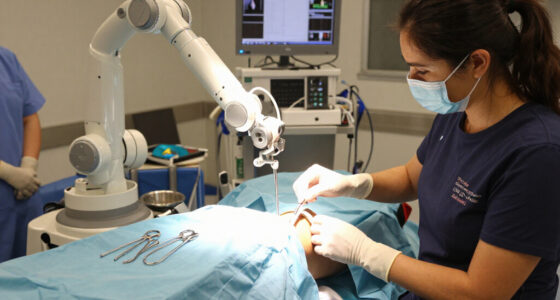
intestinal transplant surgical instruments
As an affiliate, we earn on qualifying purchases.
As an affiliate, we earn on qualifying purchases.
Regional Advances in Transplant Capabilities
Rio de Janeiro has historically faced challenges in performing highly complex transplant surgeries, with most procedures limited to specialized centers in the capital or other states. Over recent years, efforts have been made to decentralize transplant services and improve regional healthcare infrastructure. The Adão Pereira Nunes Hospital, located in Duque de Caxias, has been expanding its surgical capabilities, including acquiring equipment and training staff for advanced transplant procedures.
The recent success follows a broader trend of increasing organ donation rates in Brazil, supported by regional coordination efforts. The role of the Duque de Caxias City Hall in managing organ donor registration and allocation has been highlighted as crucial in facilitating this milestone. Prior to this, Rio’s transplant program primarily focused on kidney, liver, and heart surgeries, with intestinal transplants being rare or unavailable locally.
As an affiliate, we earn on qualifying purchases.
Details About the Patient and Long-term Outcomes Unclear
It is not yet confirmed who the recipient of the transplant is or their current health status. The hospital and authorities have not released specific information regarding the patient’s condition, prognosis, or recovery timeline. Additionally, it remains unclear how many similar procedures are planned in the future or whether this success will lead to expanded transplant services for other complex cases.
As an affiliate, we earn on qualifying purchases.
Next Steps for Regional Transplant Expansion
Hospital officials and health authorities are expected to monitor the patient’s recovery and assess the procedure’s success over the coming weeks. There may be plans to train additional staff and expand transplant programs at Adão Pereira Nunes Hospital. Further, regional efforts to increase organ donation rates are likely to continue, aiming to support more complex surgeries and improve patient outcomes.
Officials have indicated that they will evaluate the feasibility of performing more isolated intestinal transplants locally, potentially establishing a new standard of care within Rio de Janeiro. The event is also expected to serve as a catalyst for policy discussions on healthcare resource allocation and organ donation initiatives in the state.
As an affiliate, we earn on qualifying purchases.
Key Questions
What is an isolated intestinal transplant?
An isolated intestinal transplant is a surgical procedure to replace a diseased or damaged intestine with a healthy one from a donor. It is typically performed for patients with severe intestinal failure who cannot be treated with other therapies.
Why is this transplant significant for Rio de Janeiro?
This is the first time an isolated intestinal transplant has been performed in Rio de Janeiro, marking a major advancement in local transplant medicine and expanding treatment options for patients with severe intestinal diseases.
How was the organ donation coordinated?
The organ donation was coordinated by the City Hall of Duque de Caxias, which manages regional donor registration and organ allocation, enabling the successful transplant at Adão Pereira Nunes Hospital.
What are the future plans following this success?
Officials are expected to evaluate the outcomes of this transplant and consider expanding the hospital’s transplant program. Increased organ donation efforts are also likely to support more complex surgeries locally.
Are there risks associated with intestinal transplants?
Like all major surgeries, intestinal transplants carry risks such as rejection, infection, and complications related to immunosuppressive therapy. Long-term success depends on careful monitoring and follow-up care.
Source: local
Halloween Picks
halloween
As an affiliate, we earn on qualifying purchases.