
TL;DR

Get health and wellness essentials delivered free with Prime
- Fast, free delivery on millions of items
- Prime Video, Amazon Music and more included
- Member-only deals all year
Samsung Seoul Hospital now performs 20% of gastric cancer surgeries with robotic systems, reflecting rapid adoption of robotic surgery in South Korea. The trend highlights technological advances but details remain unconfirmed.
Samsung Seoul Hospital is now performing approximately 20% of its gastric cancer surgeries using robotic systems, according to recent reports. This development signifies a notable shift toward robotic-assisted surgery in South Korea’s leading medical institutions, with implications for surgical standards and patient outcomes. The hospital’s adoption of robotic technology is part of a broader trend in minimally invasive procedures, but specific details about the overall volume and future plans remain unconfirmed.
According to a report by News1, Samsung Seoul Hospital has integrated robotic systems into its surgical practice, performing about 1 in 5 gastric cancer surgeries with robots. This suggests a rapid increase in robotic-assisted procedures, which are increasingly favored for their precision and minimally invasive nature. The hospital’s move aligns with South Korea’s broader push to incorporate advanced medical technologies, driven by both clinical benefits and competitive healthcare innovation.
While the exact number of surgeries performed with robots has not been publicly disclosed, industry experts note that Samsung Seoul Hospital is among the leading institutions in adopting robotic surgery for gastric cancer. The hospital has invested in state-of-the-art robotic platforms, and surgeons trained in minimally invasive techniques are now routinely utilizing these systems. The trend reflects a shift from traditional open surgeries to more technologically advanced methods, which may reduce recovery times and improve surgical outcomes.
It is important to note that the report does not specify whether other hospitals in South Korea are following similar adoption rates or if Samsung Seoul Hospital’s experience is unique. The overall impact on patient care and long-term outcomes is still under evaluation, and detailed data on success rates, complications, and cost-effectiveness have yet to be released.
Impact of Robotic Surgery Adoption on Gastric Cancer Treatment
The increasing use of robotic systems in gastric cancer surgeries at Samsung Seoul Hospital highlights a significant technological shift in South Korea’s healthcare landscape. This trend could lead to improved surgical precision, reduced complication rates, and faster patient recovery, potentially setting new standards for gastric cancer treatment. As one of the first major hospitals to perform a substantial proportion of surgeries with robots, Samsung Seoul Hospital may influence nationwide adoption and clinical guidelines.
Moreover, the move toward robotic-assisted surgeries reflects broader healthcare priorities, including investment in advanced medical technologies and training. However, the high costs associated with robotic systems and questions about long-term outcomes remain topics of debate among medical professionals and policymakers. The trend could also impact healthcare costs and insurance coverage policies in the future.
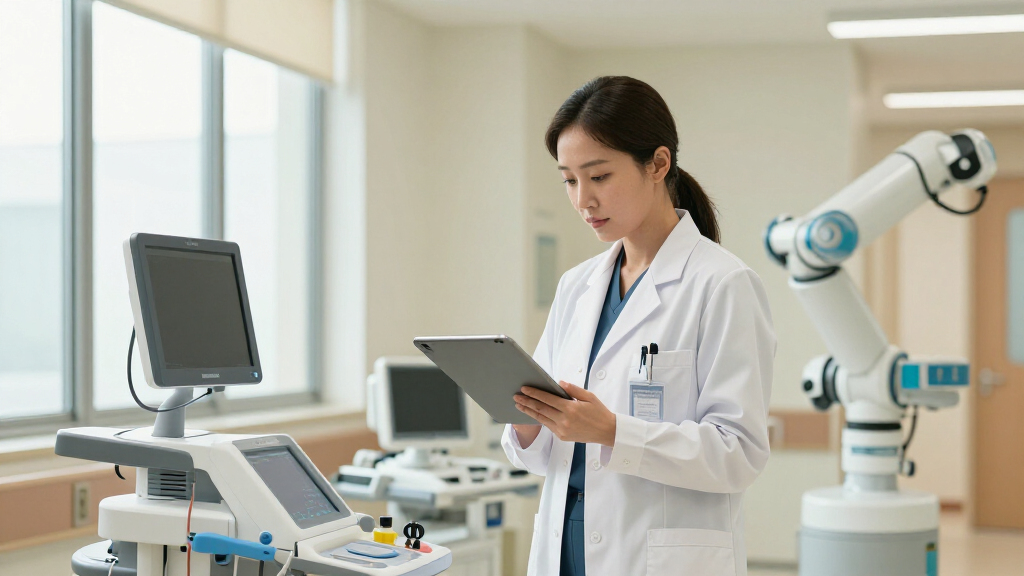
robotic surgical systems for gastric cancer
As an affiliate, we earn on qualifying purchases.
As an affiliate, we earn on qualifying purchases.
Rise of Robotic Surgery in South Korea’s Gastric Cancer Care
South Korea has a high prevalence of gastric cancer, which is among the leading causes of cancer-related deaths in the country. Traditionally, surgeries involved open procedures with longer recovery times and higher risks. Recently, minimally invasive techniques like laparoscopy have become more common. The integration of robotic systems represents an evolution of these methods, offering enhanced dexterity and visualization for surgeons.
While adoption has been gradual, recent reports indicate a notable increase at major hospitals such as Samsung Seoul Hospital. This trend is driven by technological improvements, surgeon training, and patient demand for less invasive options. The extent of adoption across South Korea is still developing, but the rapid growth suggests a significant change in surgical practices.
Concerns about costs and training requirements initially limited widespread use, but as technology becomes more accessible and evidence of benefits accumulates, more hospitals may adopt robotic surgery. Samsung Seoul Hospital’s experience offers insight into the future of gastric cancer treatment in the country.
As an affiliate, we earn on qualifying purchases.
Details on Total Surgery Volumes and Outcomes Unclear
It remains unclear how many total gastric cancer surgeries Samsung Seoul Hospital performs annually or what proportion are with robotic assistance beyond the reported 20%. Data on patient outcomes, cost-effectiveness, and success rates compared to traditional methods are not publicly available. Further research is needed to assess the long-term impact of this trend on healthcare practices and patient care.
As an affiliate, we earn on qualifying purchases.
Monitoring Nationwide Adoption and Clinical Outcomes
Medical authorities and hospitals are expected to track the adoption of robotic surgery for gastric cancer. Future reports may include detailed outcome data, cost analyses, and policy updates. Samsung Seoul Hospital is likely to expand its robotic surgery program, and other institutions may follow if benefits are confirmed. Ongoing research will evaluate the long-term effects of robotic surgery on patient outcomes and surgical standards.
medical robotic platform for surgery
As an affiliate, we earn on qualifying purchases.
As an affiliate, we earn on qualifying purchases.
Key Questions
What percentage of gastric cancer surgeries at Samsung Seoul Hospital are performed with robots?
Approximately 20%, or 1 in 5 surgeries, are performed using robotic systems, according to recent reports.
Why is robotic surgery becoming more popular for gastric cancer?
Robotic surgery offers greater precision, minimally invasive procedures, and potentially faster recovery times, making it advantageous for complex cases.
Are robotic surgeries more effective than traditional methods?
Current evidence suggests benefits like reduced trauma and improved visualization, but comprehensive data on long-term outcomes are still being collected.
What are the costs associated with robotic gastric surgery?
Robotic systems are expensive, and high costs may impact healthcare budgets and insurance coverage, though specific financial details are not publicly available.
Could this trend influence other hospitals in South Korea?
Yes, if further studies confirm improved outcomes and cost-effectiveness, more hospitals may adopt robotic surgery for gastric cancer treatment.
Source: local
Cold & flu season Picks
humidifiers
As an affiliate, we earn on qualifying purchases.