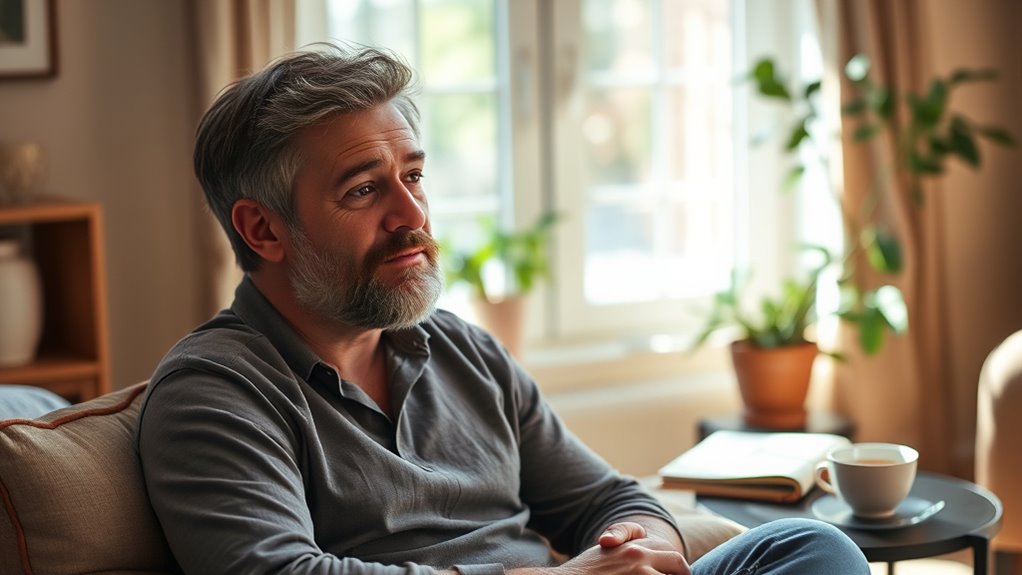

To cope with hormonal changes during andropause, focus on lifestyle adjustments like regular exercise, a healthy diet, quality sleep, and stress management. These habits help reduce symptoms and boost your overall well-being. Emotional support from friends, family, or professionals plays a vital role too, helping you stay resilient. Embracing this natural phase with patience and positive habits can improve your quality of life. If you want practical tips, there’s more you can explore to feel better during this time.
Key Takeaways
- Adopt regular exercise, including strength training and cardio, to boost energy and mood during hormonal changes.
- Maintain a balanced diet rich in whole foods, healthy fats, and lean proteins to support hormone health.
- Prioritize quality sleep and manage stress through mindfulness or hobbies to reduce symptoms and emotional fluctuations.
- Seek emotional support from friends, family, or mental health professionals to address feelings of frustration or depression.
- Embrace a holistic approach combining lifestyle adjustments and mental health care to navigate andropause effectively.

As men age, they often notice changes in energy, mood, and libido, caused by a decline in testosterone levels known as andropause. This natural process can feel unsettling, but you have ways to cope effectively. Making lifestyle adjustments is a essential step. Start by evaluating your daily routines—incorporate regular exercise, especially strength training and cardio, to boost your energy and improve mood. Eating a balanced diet rich in whole foods, healthy fats, and lean proteins can also support hormone health. Reducing alcohol intake and quitting smoking can further enhance your overall well-being. Adequate sleep plays a critical role; aim for 7-8 hours nightly, establishing a consistent sleep schedule to help manage fatigue and mood swings. Managing stress through mindfulness, meditation, or hobbies can prevent emotional exhaustion, which often worsens during hormonal shifts. These lifestyle changes not only help mitigate some symptoms but also empower you to take control of your health. Additionally, understanding your core personality traits can help you develop personalized coping strategies that align with your strengths and tendencies.
Equally important is seeking emotional support. Andropause can bring about feelings of frustration, anxiety, or depression, which might feel isolating. Don’t hesitate to open up to trusted friends, family members, or a mental health professional. Talking about your experiences can provide relief and perspective, reducing feelings of loneliness or despair. Support groups, whether online or in person, connect you with others facing similar challenges, fostering a sense of community and understanding. Remember, emotional well-being influences physical health, so addressing your mental health is part of effective coping. If mood swings or depression persist, consider consulting a healthcare provider who can recommend counseling, therapy, or appropriate medications.
Balancing lifestyle adjustments with emotional support creates a holistic approach to managing andropause. It’s about making small, sustainable changes that improve your quality of life and mental resilience. Be patient with yourself, recognizing that hormonal shifts take time to adapt to. Celebrate your efforts—whether it’s sticking to a new exercise routine, improving your diet, or simply reaching out for support. These steps help you regain control over your body and mind, reducing the impact of hormonal fluctuations. Remember, andropause is a natural phase, not a crisis. With proactive strategies and a supportive mindset, you can navigate this period with confidence and maintain your vitality.

Prime Labs – Men's Testosterone Booster – Stamina, Endurance, & Strength Booster – 60 Caplets
Optimized Physical Performance: Suffering from low test impacts energy, strength, and stamina, which is why we developed Prime…
As an affiliate, we earn on qualifying purchases.
As an affiliate, we earn on qualifying purchases.
Frequently Asked Questions
Can Lifestyle Changes Fully Reverse Andropause Symptoms?
Lifestyle changes can markedly reduce andropause symptoms, but they might not fully reverse them. By adopting a healthy diet modification and regular exercise routines, you can boost testosterone levels and improve your overall well-being. While these adjustments help manage symptoms effectively, some hormonal changes may require medical intervention. Stay consistent with your lifestyle efforts, and consult a healthcare professional for personalized advice and possible additional treatments.
Are There Natural Remedies to Manage Hormonal Fluctuations?
Did you know that up to 60% of men find relief through natural remedies? You can try herbal supplements like tribulus or ginseng, which may help balance hormones. Dietary adjustments, such as increasing zinc-rich foods or reducing processed sugars, also support hormonal health. These natural options can ease symptoms and restore energy, making them a smart choice for managing hormonal fluctuations without relying solely on medication.
How Does Andropause Affect Mental Health Long-Term?
You might notice that andropause affects your mental health long-term by causing mood swings, irritability, and feelings of depression. It can challenge your emotional stability, making it harder to handle stress or maintain positive relationships. Over time, these mental health impacts could lead to anxiety or decreased self-esteem. Recognizing these changes early allows you to seek support and implement strategies to maintain emotional well-being during this passage.
Is Testosterone Therapy Safe for All Men?
Testosterone therapy isn’t safe for all men; about 30% experience side effects. You should discuss testosterone safety thoroughly with your doctor before starting hormonal therapies, especially if you have underlying health conditions. Your doctor can evaluate your individual risks and determine if this treatment fits your needs. Never start hormonal therapies without professional guidance, as improper use can lead to serious health issues.
When Should Men Seek Medical Advice for Symptoms?
You should seek medical advice if you notice symptoms like fatigue, decreased libido, or mood changes that persist or worsen over time, especially if they affect your daily life. Monitoring your testosterone levels can help determine if hormonal shifts are causing your symptoms. Don’t ignore the symptom timeline—early intervention can improve your quality of life, so consult a healthcare professional promptly for proper diagnosis and personalized treatment options.

Nutricost Sleep Aid Complex 1330mg Serving (90 Capsules) – 30 Servings
90 Capsules of Nutricost Sleep Complex
As an affiliate, we earn on qualifying purchases.
As an affiliate, we earn on qualifying purchases.
Conclusion
Remember, understanding and accepting these changes is your first step. Embrace the support available, embrace healthier habits, and embrace patience with yourself. Recognize that these hormonal shifts are part of life’s natural cycle, part of your ongoing journey. By staying proactive, staying connected, and staying positive, you empower yourself to navigate and thrive through andropause. Ultimately, it’s about embracing change, embracing growth, and embracing the life you continue to shape.

Twister Arm Trainer, 3 in 1 Hydraulic Power Chest Workout Equipment with Ab Roller Wheels and Hooks, Adjustable 22-440lbs Arm Trainer for Men Women, Home Gym Equipment for Full Body Strength Training
[Adjustable Hydraulic Resistance from 22 to 440LBS]: This twister arm trainer features an upgraded hydraulic cylinder that allows…
As an affiliate, we earn on qualifying purchases.
As an affiliate, we earn on qualifying purchases.
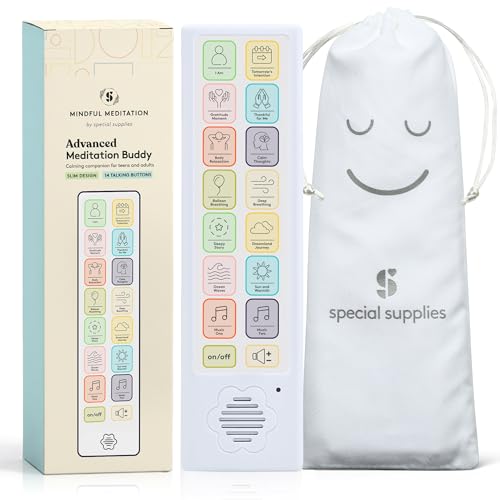
Special Supplies Meditation Buddy – Screen-Free Mindfulness & Breathing Device for Stress Relief, Daily Meditation, Anxiety Relief, Calm Focus & Emotional Balance for Kids and Adults (Adults)
Screen-Free Mindfulness Tool – Enjoy guided meditation, calm breathing, and daily mindfulness without apps, phones, or distractions. Perfect…
As an affiliate, we earn on qualifying purchases.
As an affiliate, we earn on qualifying purchases.