
TL;DR

Get health and wellness essentials delivered free with Prime
- Fast, free delivery on millions of items
- Prime Video, Amazon Music and more included
- Member-only deals all year
Hawaii plans to begin a Medicaid Food Is Medicine program as early as January, with nutrition education and food boxes for eligible patients. The initiative could reach more than 100,000 residents, but its final design, local sourcing levels and effects on health remain under development.
Hawaii plans to start a Medicaid Food Is Medicine program as soon as January, allowing eligible patients to receive nutrition education and boxes of fresh food through a state initiative aimed at diet-related health needs. The program could serve more than 100,000 Medicaid residents, though its rollout and food-sourcing plans are still being developed.
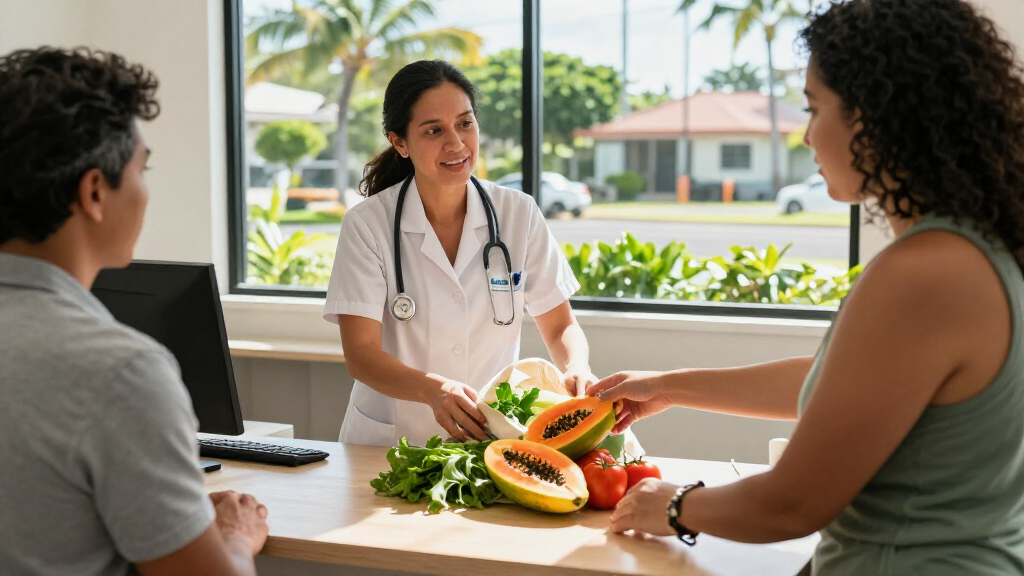
The state program will be introduced in three phases. The first phase is scheduled to begin in January with nutrition education and prescription food boxes for eligible patients. Depending on the program, food could include fruits and vegetables as well as protein such as ahi, beef, chicken and eggs, according to MedPage Today’s report.
The initiative is enabled by a federal Medicaid waiver under Section 1115 of the Social Security Act, which allows states to test innovative health programs. Hawaii is among at least a dozen states pursuing food-based approaches through such Medicaid programs. The source report describes the effort as federally funded, but does not provide a total budget or a final account of which patients will qualify.
Hawaii health providers and advocates hope to source more food locally. They recommend that at least 15% of produce and protein come from local sources, but the target is aspirational rather than binding. The program’s lead agencies are still working through how to connect healthcare providers with the state’s food system.
Food Support for Medicaid Patients
The initiative could connect healthcare coverage with access to nutritious food for residents who face both diet-related health challenges and difficulty affording fresh food. The report cites a 2025 Hawaii Food Bank assessment finding that one-third of households have insufficient access to adequate, nutritious and affordable food. It also reports that about half of Native Hawaiians and Pacific Islanders experience food insecurity.
Supporters say local sourcing could benefit farmers and food suppliers as well as patients. Advocates have said the approach could bring millions of dollars into the state economy and create nearly 1,000 jobs, but those figures are projections, not confirmed outcomes. Whether the program achieves that economic impact will depend on funding, supply and how the local sourcing aspiration is put into practice.
For patients, food boxes may address affordability and availability—barriers that nutrition advice alone cannot remove. But the statewide program’s effects on health have not yet been established. Early pilot experiences are encouraging to advocates, while longer-term research is still underway.
Products Worth Considering

Therabody SmartGoggles 2nd Gen Heated Eye and Temple Massager

Fitbit Versa 2 Health and Fitness Smartwatch with Heart Rate, Alexa, Music, Sleep and Swim Tracking

Withings Sleep Under-Mattress Sleep Tracking Pad
As an affiliate, we earn on qualifying purchases.
Pilot Programs Inform the Rollout
The statewide effort follows years of planning and earlier food-access programs. A pilot operating under the Medicaid waiver this year provided Big Island residents Moses and Suzette Paio with weekly produce and protein boxes for five months, delivered by the Food Basket, Hawaii’s food bank. The report says the boxes included locally harvested produce and proteins.
Suzette Paio said her average blood sugar fell by half after more than a decade of difficulty controlling it, and Moses Paio lost more than 70 pounds. These are individual reported outcomes, not evidence that the program will produce the same results for all participants. The couple also took part in education activities, began gardening and preserving food, and became more active.
In West Oahu, Waiʻanae Coast Comprehensive Health Center and its partners have operated nutrition-focused programs separately from the Medicaid initiative since 2017. The new state effort also draws on Hawaii’s longstanding concerns about food security, a limited local food supply and a declining number of farmers. The report notes that natural disasters have made food security a continuing challenge.
Eligibility and Local Supply Details
Several operational details remain unsettled in the source report, including the final eligibility rules, the precise number of people who will enroll, the program’s full budget and how food benefits will be delivered across the islands. The rollout is planned to start as soon as January, but the report does not specify the year or provide a detailed calendar for all three phases.
The local sourcing recommendation is not a requirement, and it is not clear how much food the program will ultimately be able to purchase from Hawaii producers. Advocates say local supplies can be fresher and more culturally relevant, but the state’s geography, agricultural capacity and exposure to natural disasters present logistical challenges.
Health outcomes also remain under study. The University of Hawaii is conducting a five-year study examining the program’s influence on hypertension at healthcare centers across the islands. Pilot results and participant accounts offer early information, but they do not establish the initiative’s overall effectiveness or long-term effects.
Three Phases Set the Next Steps
The first expected milestone is the planned January start of nutrition education and prescription food boxes for eligible patients. The state program is expected to proceed in three phases, though the source report does not list dates or services for the later stages.
Healthcare providers, food organizations and state agencies will need to coordinate patient enrollment, food delivery and purchasing as the rollout develops. The five-year University of Hawaii study will add evidence on hypertension over time; further reporting will be needed to assess participation, local purchasing and health outcomes once the statewide program is operating.
Key Questions
What is Hawaii’s Food Is Medicine program?
It is a planned Medicaid initiative that will begin with nutrition education and food boxes for eligible patients, with the aim of addressing diet-related health needs.
When will the program begin?
The rollout is planned to start as soon as January. The source report does not specify the year or provide dates for all three phases.
What food could patients receive?
Food boxes may include fresh fruit and vegetables and proteins such as ahi, beef, chicken and eggs. The exact contents and delivery arrangements may vary as the program develops.
Will all the food come from Hawaii farms?
No. Providers and advocates recommend sourcing at least 15% of produce and protein locally, but the recommendation is not binding. The final share of local food is unclear.
Has the program been shown to improve health?
Pilot participants have reported health changes, including improved blood sugar and weight loss, but individual accounts do not establish results for all patients. A five-year University of Hawaii study is examining the program’s influence on hypertension.
Source: medpagetoday.com