
Your sperm quality can be affected by lifestyle choices like smoking, excessive alcohol, and drug use, which damage DNA and lower counts. Poor diet lacking essential nutrients, inadequate exercise, and insufficient sleep also impair hormone balance and sperm development. Stress and high physical activity without proper recovery further diminish fertility. Making small adjustments—quitting smoking, improving diet, managing stress—can boost your fertility. Keep exploring to discover more ways to optimize your reproductive health.

Get health and wellness essentials delivered free — and shop member deals
- Fast, free delivery on millions of items
- Access to Prime Big Deal Days deals on October 6–7
- Prime Video, Amazon Music and more included
Key Takeaways
- Lifestyle habits like smoking, excessive alcohol, and drug use negatively impact sperm DNA, motility, and overall quality.
- A balanced diet rich in antioxidants and proper nutrition support healthy sperm production.
- Regular exercise improves hormonal balance and reproductive health, while stress and sleep deprivation harm sperm quality.
- Use of anabolic steroids and exposure to environmental toxins can suppress testosterone and reduce sperm count.
- Small lifestyle changes, stress management, and health assessments can significantly enhance male fertility prospects.
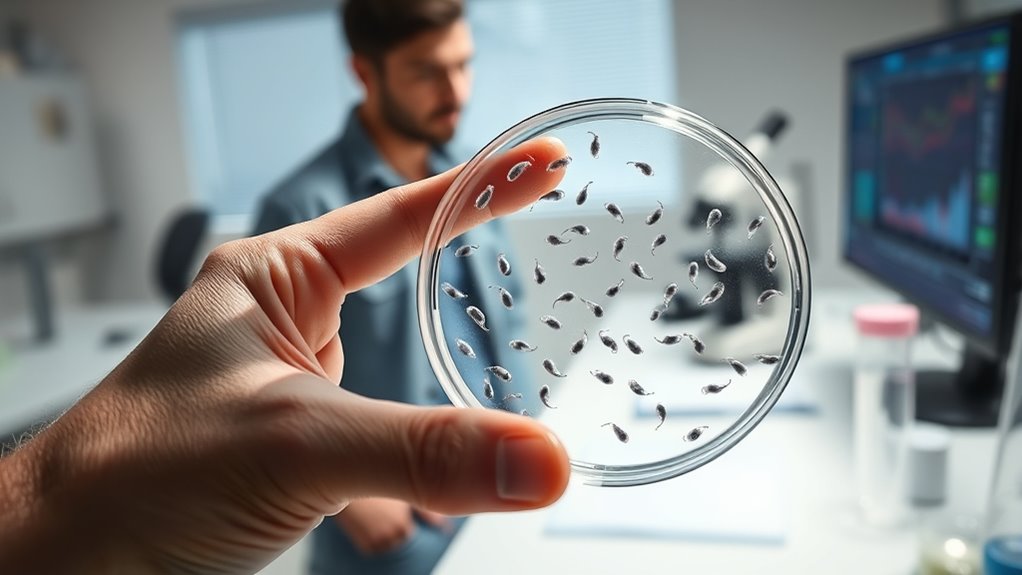
Have you ever wondered what factors influence male fertility? It’s a complex interplay of various elements, but two major aspects are lifestyle habits and environmental toxins. Your daily choices and the environment you live in can significantly impact your sperm quality, fertility potential, and overall reproductive health. Understanding how these factors play a role can help you make informed decisions to improve your chances of conception.
Your lifestyle habits are among the most modifiable influences on male fertility. Smoking, excessive alcohol consumption, drug use, poor diet, and lack of exercise can all harm sperm production and quality. Smoking introduces toxins into your body that damage sperm DNA and reduce sperm motility. Heavy drinking can disrupt hormone levels and impair sperm development. Substance abuse, especially anabolic steroids or recreational drugs, can suppress natural testosterone production, leading to decreased sperm count. On the other hand, maintaining a balanced diet rich in antioxidants, vitamins, and minerals supports healthy sperm production. Regular exercise boosts overall health and hormonal balance, but excessive physical activity or weightlifting with anabolic steroids can have negative effects. Sleep deprivation and chronic stress also impair hormone regulation, decreasing sperm quality over time. Small changes in your daily habits can lead to significant improvements in your fertility outlook. Additionally, engaging in risk assessment can help identify specific vulnerabilities that might affect your reproductive health and guide targeted lifestyle changes.
As an affiliate, we earn on qualifying purchases.
Frequently Asked Questions
Can Lifestyle Changes Improve Sperm Quality Quickly?
Yes, lifestyle changes can quickly improve sperm quality. By adopting healthier habits like quitting smoking, reducing alcohol intake, eating a balanced diet, and managing stress, you promote better sperm enhancement. Regular exercise and avoiding overheating of the testicles also help. While some improvements may be noticeable within a few months, consistent lifestyle habits are key to maximizing your chances of better sperm quality and overall fertility.
Does Age Significantly Impact Male Fertility?
Yes, age considerably impacts male fertility. As you age, genetic factors can lead to increased DNA mutations in sperm, reducing fertility. Hormonal imbalance also becomes more common, affecting sperm production and quality. You might notice decreased sperm count and motility over time. Maintaining a healthy lifestyle, managing stress, and seeking medical advice can help mitigate some age-related effects, but understanding these factors highlights the importance of early fertility assessment.
Are There Specific Foods That Enhance Sperm Health?
Ever wonder which foods can boost your sperm health? You should focus on dietary antioxidants like berries, nuts, and dark leafy greens—they fight oxidative stress and improve sperm quality. Nutritional supplements such as zinc, vitamin C, and folate also play a vital role. Incorporating these into your diet may enhance your fertility, so don’t wait—start nourishing your body today for better sperm health tomorrow.
How Long Does It Take to See Improvements After Treatment?
You can usually expect to see improvements in sperm quality within about 2 to 3 months after starting treatment. Treatment timelines vary depending on the specific therapy and individual health factors. During this period, your body undergoes sperm recovery, producing healthier sperm. Patience is key, as consistent treatment and lifestyle changes help optimize results. Regular follow-ups with your doctor can also track your progress effectively.
Can Excessive Exercise Harm Sperm Production?
Excessive exercise can harm sperm production because high exercise intensity may disrupt hormonal balance, which is vital for healthy sperm development. When you push your body too hard, it can lower testosterone levels and increase stress hormones, negatively impacting sperm quality. To protect fertility, aim for a balanced routine that includes moderate exercise. Listening to your body and avoiding overtraining helps maintain hormonal health and supports ideal sperm production.
antioxidant vitamins for sperm health
As an affiliate, we earn on qualifying purchases.
As an affiliate, we earn on qualifying purchases.
Conclusion
Understanding the factors that influence your sperm quality is vital if you’re aiming to boost your fertility. From lifestyle choices to environmental exposures, each element plays a role in your reproductive health. Are you willing to make the necessary changes to improve your chances? Taking proactive steps now can make a significant difference in your journey toward fatherhood. Don’t wait—your future family depends on the choices you make today.
stress relief supplements for men
As an affiliate, we earn on qualifying purchases.
As an affiliate, we earn on qualifying purchases.
As an affiliate, we earn on qualifying purchases.
Fall Picks
fall essentials
As an affiliate, we earn on qualifying purchases.