If you are concerned about sexually transmitted infections (STIs) in men, it’s important to practice prevention methods like consistent condom use, limiting your partners, and having honest conversations about STI history. Regular testing is key, especially if you’re high-risk or have multiple partners, to catch infections early and avoid complications. Many STIs are treatable with medication, but prompt action is crucial. Stay informed about how to protect yourself and your partners—more details can help you take better control of your sexual health.
Key Takeaways
- Men can be asymptomatic carriers of STIs, making regular testing essential for early detection.
- Common STIs in men include chlamydia, gonorrhea, syphilis, herpes, and HIV.
- Consistent condom use and limiting partners reduce STI risk in men.
- Prompt treatment with antibiotics or antivirals effectively cures many bacterial and viral STIs in men.
- Open communication and partner testing are vital for preventing STI transmission among men.

Sexually transmitted infections (STIs) are a common health concern for men, often going unnoticed because symptoms can be mild or absent. Because of this, you might not realize you’re infected until complications arise. The key to managing STIs effectively starts with understanding prevention strategies and knowing your treatment options. Prevention is your first line of defense. Using condoms consistently and correctly during every sexual encounter substantially reduces your risk of contracting many STIs. It’s also important to limit your number of sexual partners and have open, honest conversations about STI history and testing before engaging in sexual activity. Regular screening is essential, especially if you’re sexually active with multiple partners or belong to higher-risk groups. Early detection through testing can prevent the infection from worsening and spreading to others.
If you do suspect you might have an STI, seeking treatment options promptly is essential. Many STIs are curable with antibiotics or antiviral medications, but delay can lead to serious health issues, such as infertility, chronic pain, or increased HIV risk. When diagnosed, your healthcare provider will recommend an appropriate treatment plan based on the specific infection. For bacterial STIs like chlamydia, gonorrhea, or syphilis, antibiotics are effective in clearing the infection if taken as prescribed. Viral infections such as herpes or HIV are managed with antiviral drugs that control symptoms and reduce transmission risk, but they may not completely eliminate the virus from your body. That’s why adherence to treatment and regular follow-up are essential. Incorporating myelination into your understanding of neural health can also support your body’s ability to recover and maintain overall well-being.
Besides medication, lifestyle adjustments can support your recovery and reduce transmission chances. Abstaining from sexual activity until treatment is complete, informing your partners, and encouraging them to get tested can help break the cycle of infection. In addition to medical treatment, maintaining good personal hygiene and strengthening your immune system through proper nutrition, exercise, and adequate sleep can also improve your overall sexual health.

Trojan Pleasure Pack, Assorted Latex Lubricated Condoms for Men, Her Pleasure, Bareskin Studded, Ecstasy & Charged Varieties, Condom Variety Pack 36 Count
Trojan Pleasure Pack includes a variety of our most erotic condoms curated to inspire new sexual experiences and…
As an affiliate, we earn on qualifying purchases.
As an affiliate, we earn on qualifying purchases.
Frequently Asked Questions
Can STI Symptoms Appear Without Any Visible Signs?
Yes, STI symptoms can appear without visible signs, known as asymptomatic infections. You might have invisible symptoms like slight discomfort, unusual discharge, or mild irritation that you don’t notice. These silent infections can still be transmitted and cause health issues if left untreated. It’s important to get regular testing, even if you feel fine, because many STIs don’t show obvious symptoms but can still affect your health.
How Often Should Men Get Tested for STIS?
You should get tested for STIs regularly based on your screening frequency and risk assessment. If you have new or multiple partners, or engage in unprotected sex, it’s recommended to test every 3 to 6 months. Even if you feel fine, routine screenings help catch infections early. Talk to your healthcare provider to determine the right screening schedule for your lifestyle and guarantee you stay healthy.
Are There Specific STIS More Common in Men?
Yes, certain STIs are more common in men due to gender disparities and infection prevalence. You’re more likely to encounter infections like gonorrhea, chlamydia, and syphilis. Men who have unprotected sex or engage with multiple partners are at higher risk. Regular testing is essential, especially since some infections can be asymptomatic. Staying informed and practicing safe sex helps reduce your risk of these more common STIs.
Can STIS Be Transmitted Through Oral Sex?
Yes, STIs can definitely be transmitted through oral sex, so don’t underestimate its risks. You might think oral hygiene alone protects you, but pathogens can still sneak through. To keep yourself safe, always use barriers like condoms or dental dams and prioritize STI prevention. Staying informed and cautious isn’t just smart—it’s essential in protecting your health from hidden threats during oral encounters.
What Are the Long-Term Health Effects of Untreated STIS?
If you leave STIs untreated, you risk serious long-term health effects. Chronic complications like pelvic pain, infertility, and increased risk of certain cancers can develop. Additionally, untreated STIs can lead to systemic infections that spread throughout your body, causing widespread health issues. These complications can profoundly impact your quality of life, so early diagnosis and treatment are vital to prevent lasting damage and protect your overall health.
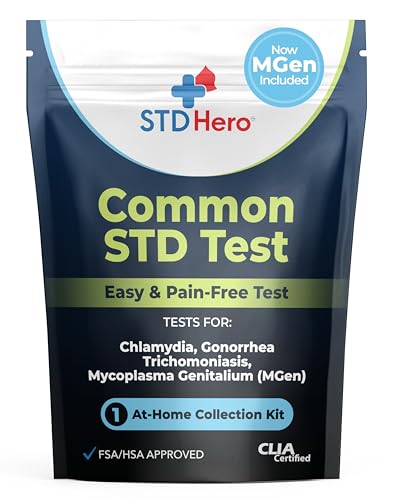
STD Hero At-Home Common STD Test Kit for Women and Men – Test for the Top Four STD's – Includes MGen – Private At-Home Collection – Simple, Discreet, Easy-to-Use with Fast Online Results
FOR WOMEN AND MEN: This private at-home kit is made for anyone wanting a simple way to support…
As an affiliate, we earn on qualifying purchases.
As an affiliate, we earn on qualifying purchases.
Conclusion
Just as the knight shields himself in armor, taking proactive steps keeps you safe from STIs. Remember, knowledge is your sword and condom your shield—wisely wield them. Don’t wait for the dragon of infection to strike; regular check-ups and open communication are your best defenses. Stay vigilant, stay healthy, and be the hero of your own story, because in this battle, prevention is your greatest victory.

Globe Triple Antibiotic First Aid Ointment, 1 oz (2-Pack) First Aid Antibiotic Ointment, 24-Hour Infection Protection, Wound Care Treatment for Minor Scrapes, Burns and Cuts
FIRST AID KIT: Globe Triple Action Antibiotic ointment is a must have product in your first aid kit….
As an affiliate, we earn on qualifying purchases.
As an affiliate, we earn on qualifying purchases.
herpes antiviral medication
As an affiliate, we earn on qualifying purchases.
As an affiliate, we earn on qualifying purchases.