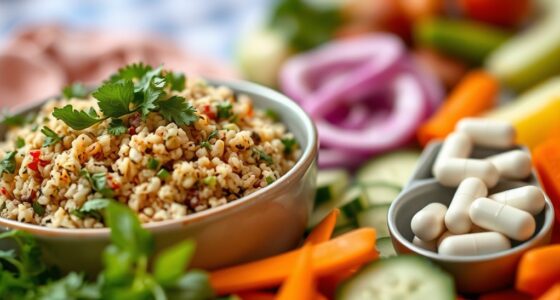
To support a healthy microbiome, eat a variety of fiber-rich foods like fruits, vegetables, grains, and legumes daily. Incorporate probiotic foods such as yogurt, kefir, sauerkraut, and kimchi to replenish beneficial bacteria. Different fibers feed different microbes, so diversifying your intake boosts microbiome resilience. Combining these foods with diverse fibers promotes digestion, immunity, and overall vigor. Keep exploring ways to optimize your gut health—you’ll find plenty of tips to enhance your wellbeing.
Key Takeaways
- Incorporate a variety of fiber-rich foods like fruits, vegetables, grains, and legumes to nourish diverse beneficial bacteria.
- Include fermented foods such as yogurt, kefir, sauerkraut, and kimchi to replenish and maintain healthy gut microbes.
- Combine soluble and insoluble fibers to promote digestion, regulate blood sugar, and support microbiome diversity.
- Regularly consume probiotic-rich foods and fiber to enhance beneficial bacteria growth and overall gut resilience.
- Focus on dietary patterns that reduce inflammation, support immunity, and promote healthy nutrient absorption.
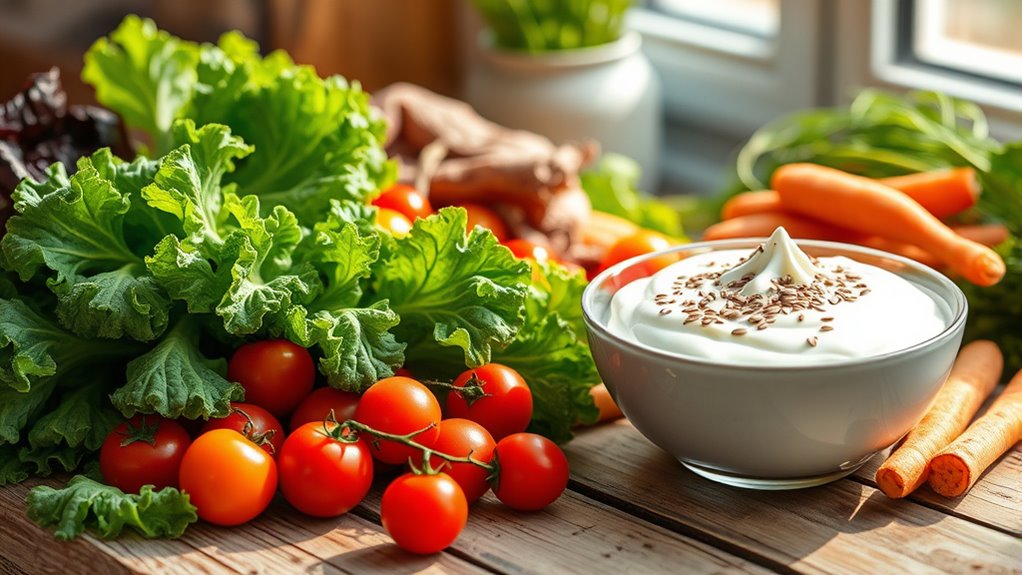
A gut-friendly diet can substantially improve your overall health by supporting digestion, boosting immunity, and enhancing nutrient absorption. At the core of a healthy gut are your microbiome—the trillions of bacteria living in your digestive tract—that thrive on the right kinds of foods. One of the most effective ways to nurture these beneficial microbes is by increasing fiber diversity in your diet. Instead of sticking to a single fiber source, aim to include a variety of fiber-rich foods such as fruits, vegetables, whole grains, legumes, and nuts. Different fibers feed different bacteria, promoting a more diverse and resilient microbiome. This diversity is key because it helps protect against digestive issues, reduces inflammation, and supports overall metabolic health. When you consume a broad range of fibers, you provide your gut bacteria with the different substrates they need to flourish, leading to improved digestion and more efficient nutrient absorption.
Alongside fiber, probiotic sources play an essential role in maintaining gut health. Probiotics are live bacteria that, when ingested in adequate amounts, can enhance the balance of your gut microbiome. You can find probiotic sources in fermented foods like yogurt, kefir, sauerkraut, kimchi, and kombucha. Incorporating these into your daily routine helps replenish beneficial bacteria, especially after antibiotics or stressful periods that may deplete your microbiome. When you choose probiotic-rich foods, you’re directly introducing helpful strains that can compete against harmful bacteria, reduce gut inflammation, and support your immune defenses. Combining probiotic sources with a diet rich in diverse fibers creates a synergistic effect; the fibers serve as food for the probiotic bacteria, helping them thrive and establish a healthy environment in your gut. Additionally, maintaining a diverse microbiome is crucial for resilience against pathogens and overall health.
It’s also important to remember that not all fibers are created equal, so seeking variety ensures you’re covering different types such as soluble and insoluble fibers. Soluble fibers, found in oats, apples, and beans, dissolve in water and help regulate blood sugar and cholesterol, while insoluble fibers, present in whole grains and vegetable skins, add bulk to stool and promote regularity. Including a mix of these fibers can optimize digestion and support a diverse microbiome. Consistently consuming probiotic sources along with a wide range of fibers helps maintain a balanced gut ecosystem, which is fundamental for your overall health. By making these dietary adjustments, you’re actively feeding and nurturing your microbiome, leading to better digestion, stronger immunity, and a more vibrant, healthy life.

Tiny Land Pikler Triangle Set, 7-in-1 Foldable Pikler Triangle Climbing Toys Set for Kids,Baby Indoor Playground Jungle Gym, Wooden Montessori Climbing Set for Toddler (Natural)
Tiny Land Montessori Climbing Set for Toddlers: The Tiny Land Pikler Triangle Set is inspired by the Montessori....
As an affiliate, we earn on qualifying purchases.
Frequently Asked Questions
Can Gut-Friendly Diets Improve Mental Health?
Yes, gut-friendly diets can improve your mental health by strengthening the mind-gut connection. When you eat foods that boost microbiome diversity, you support a healthier gut, which influences mood and cognitive function. A diverse microbiome produces beneficial neurotransmitters and reduces inflammation, helping you feel more balanced and focused. By feeding your microbiome well, you actively enhance your mental well-being and emotional resilience.
Are Probiotic Supplements Necessary for a Healthy Microbiome?
Probiotic supplements aren’t necessarily required for a healthy microbiome, as probiotic efficacy varies among individuals. You can support your gut health through a balanced diet rich in fiber, fermented foods, and diverse plant-based options. Supplements may help if you have specific health issues or after antibiotics, but generally, focusing on whole foods offers the best, natural way to nurture your microbiome without relying solely on supplement necessity.
How Quickly Can Dietary Changes Affect Gut Bacteria?
You can see microbiome adaptation within just a few days to a week after making dietary changes. Your gut bacteria respond quickly to dietary impact, with beneficial shifts occurring as they adapt to new foods. Consistent, fiber-rich, and fermented foods promote healthy microbiome adaptation, helping your gut microbiota flourish. Keep in mind, lasting changes take time, but noticeable improvements can happen surprisingly fast with the right diet.
Do Gut-Friendly Foods Vary for Different Age Groups?
Yes, gut-friendly foods do vary for different age groups. Studies show that age-specific nutrition affects microbiome diversity, influencing overall health. You should consider cultural food preferences to guarantee dietary adherence and enjoyment. For example, infants need probiotic-rich formulas, while older adults benefit from fiber-rich, easily digestible foods. Tailoring your diet to your age ensures ideal gut health and respects your unique nutritional needs.
Are There Any Foods to Avoid for Gut Health?
You should avoid foods that trigger your food sensitivities, like certain dairy or gluten if you’re intolerant, as they can upset your gut balance. Also, limit processed foods and excess sugar, which can harm beneficial bacteria. Be cautious with antibiotics, as they impact your microbiome by killing good bacteria. Always consult your doctor before making major dietary changes, especially if you’re on medication or have health issues.

Tiny Land Pikler Triangle Set, 7-in-1 Foldable Pikler Triangle Climbing Toys Set for Kids,Baby Indoor Playground Jungle Gym, Wooden Montessori Climbing Set for Toddler (Rainbow)
Tiny Land Montessori Climbing Set for Toddlers: The Tiny Land Pikler Triangle Set is inspired by the Montessori....
As an affiliate, we earn on qualifying purchases.
Conclusion
Remember, you are what you eat, so choose foods that nurture your microbiome. Incorporate fiber-rich fruits, vegetables, and fermented foods into your diet to keep your gut happy and healthy. A balanced microbiome supports digestion, immunity, and overall well-being. As the saying goes, “You are what you eat,” so make mindful choices today for a healthier tomorrow. Your gut is your gateway to better health—treat it well!
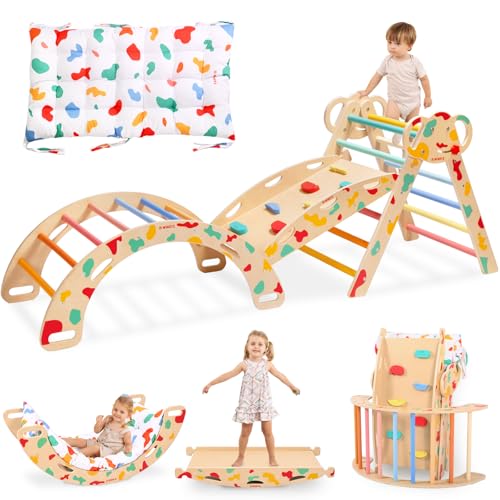
WINGYZ Pikler Triangle Set, Montessori Foldable 8-in-1 Jungle Gym & Reversible Animal Slide, Patent-Protected Climbing Set, Safe 2.35" Gap ASTM F963 Standards for Toddlers 18 Months-7 Years (Rainbow)
PICTURE THIS: YOUR CHILD’S EYES LIGHT UP — Imagine the delight as they discover a rainbow climbing wonderland....
As an affiliate, we earn on qualifying purchases.

Philnas Pikler Triangle Set, 9-in-1 Montessori Climbing Toy for Toddlers, Foldable Wooden Indoor Jungle Gym & Playground Climber for Learning and Motor Skills (18 Months–7 Years)
Multi-Activity Climber for Toddlers & Kids: Our Philnas's indoor Pikler triangle set is designed for children approximately 18...
As an affiliate, we earn on qualifying purchases.