
Adopting a plant-based diet can boost your health by providing essential nutrients, fiber, and antioxidants while reducing saturated fats. It also lowers your environmental footprint by decreasing greenhouse gases and conserving resources. However, you’ll need to plan carefully to avoid missing key nutrients like B12, iron, and omega-3s, which may require supplements or fortified foods. If you keep exploring, you’ll discover how to enjoy these benefits while managing potential challenges effectively.

Get health and wellness essentials delivered free with Prime
- Fast, free delivery on millions of items
- Prime Video, Amazon Music and more included
- Member-only deals all year
Key Takeaways
- Promotes heart health, weight management, and environmental sustainability through high intake of plant foods.
- May lead to nutrient gaps like vitamin B12, iron, and omega-3s without proper planning or supplementation.
- Lower in saturated fats and cholesterol, reducing risk of cardiovascular disease.
- Transitioning requires learning new recipes, adjusting social habits, and exploring plant-based substitutes.
- Properly planned plant-based diets support health benefits while minimizing environmental impact.
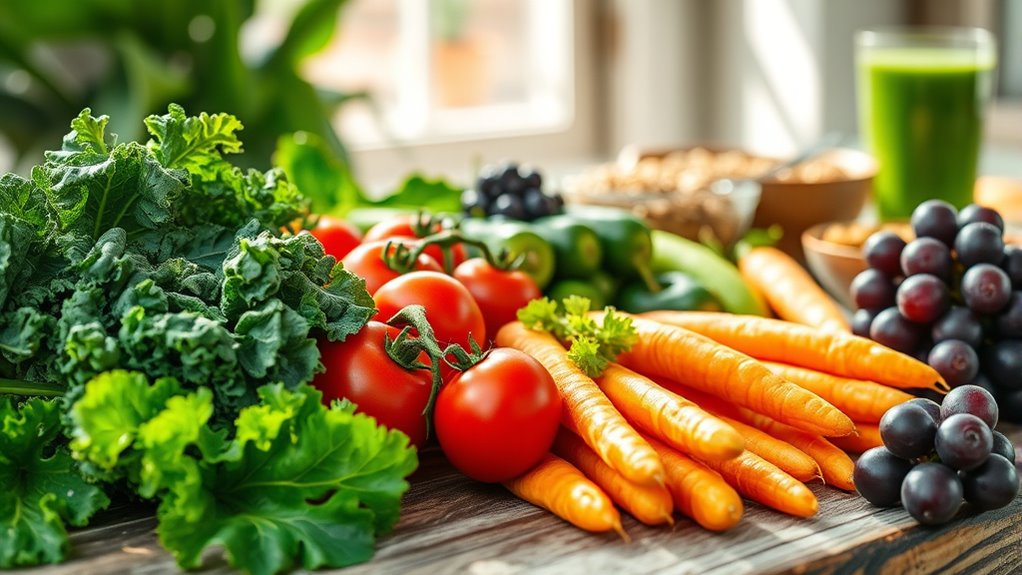
Plant-based diets are becoming increasingly popular as people seek healthier and more sustainable ways to eat. You might consider adopting this lifestyle to improve your overall health and reduce your environmental footprint. One of the main advantages is that plant-based diets can help you achieve a better nutritional balance. By focusing on fruits, vegetables, legumes, nuts, seeds, and grains, you naturally include a wide array of essential nutrients, fiber, and antioxidants. These foods tend to be lower in saturated fats and cholesterol, which can benefit your heart health. Plus, plant-based diets often lead to weight management benefits, as they are typically lower in calorie density, helping you stay fuller on fewer calories.
However, you should also be mindful of potential nutritional gaps. For example, essential nutrients like vitamin B12, iron, omega-3 fatty acids, and zinc may be less abundant or harder to absorb from plant sources alone. To maintain a proper nutritional balance, you might need to incorporate fortified foods or supplements, especially if you’re cutting out animal products entirely. With proper planning, though, you can meet your nutritional needs without sacrificing health or taste.
Beyond personal health, another compelling reason to choose a plant-based diet is its positive environmental impact. Livestock farming substantially contributes to greenhouse gas emissions, deforestation, water consumption, and pollution. By reducing or eliminating animal products from your diet, you help lower your carbon footprint. You’re also conserving precious resources like water and land, which are heavily used in animal agriculture. Shifting to more plant-based meals can be a meaningful way to contribute to environmental preservation and combat climate change. Many people find that learning to cook plant-based dishes or exploring new ingredients makes the change exciting and sustainable in the long run.
Additionally, incorporating specialized dietary options like fortified foods or supplements can help address potential nutritional gaps and make the transition smoother. Of course, adopting a plant-based diet isn’t without challenges. Social situations, limited availability of certain foods, and adjusting your taste preferences can pose hurdles. You might find it difficult at first to replace familiar animal-based proteins with plant alternatives or to find satisfying meals when dining out. However, with time and experimentation, you can discover delicious recipes and suitable substitutes that keep your diet enjoyable and varied.
plant-based vitamin B12 supplements
As an affiliate, we earn on qualifying purchases.
As an affiliate, we earn on qualifying purchases.
Frequently Asked Questions
Can Plant-Based Diets Meet All Nutritional Requirements?
Yes, plant-based diets can meet all nutritional requirements if you plan carefully. You’ll want to focus on nutritional completeness by including a variety of foods like legumes, grains, nuts, seeds, fruits, and vegetables. Be mindful of supplementation needs, especially for vitamin B12, iron, omega-3s, and vitamin D. With proper planning and possibly supplements, you can maintain a balanced diet that supports your health and well-being.
How Do Plant-Based Diets Affect Athletic Performance?
Think of a plant-based diet as fueling a high-performance engine; it can boost athletic performance if you focus on proper nutrition. You might notice improved protein absorption and faster muscle recovery, especially when you include plant proteins like beans and lentils. Many athletes report sustained energy and endurance. With careful planning, your plant-based diet can support strength, stamina, and overall performance just as well as traditional diets.
Are Plant-Based Diets Suitable for Children and Pregnant Women?
Plant-based diets can be suitable for children and pregnant women if you guarantee proper nutrient supplementation. Child growth depends on adequate intake of protein, iron, calcium, and B12, which you might need to supplement or source from fortified foods. For pregnant women, focusing on these nutrients supports healthy development. Consult with healthcare professionals to create a balanced plan that meets your specific needs and promotes ideal health.
What Are the Environmental Impacts of Widespread Adoption?
If you adopt a plant-based diet widely, you’ll likely reduce greenhouse gas emissions and conserve water, supporting sustainable farming practices. This shift can also promote biodiversity conservation by decreasing land cleared for livestock. However, it’s essential to guarantee crop diversity and avoid monocultures. Your choices can positively impact the environment by encouraging more eco-friendly farming methods and protecting natural ecosystems.
How Can I Ensure Variety in a Plant-Based Diet?
Think of your plate as a vibrant garden, bursting with life. To guarantee food diversity, you should focus on meal planning that includes a variety of fruits, vegetables, grains, nuts, and legumes. Rotate different colors and flavors to keep your diet exciting and balanced. By intentionally choosing diverse ingredients, you nourish your body and keep your plant-based journey flavorful and satisfying. Consistent variety is your key to a thriving, colorful diet.
As an affiliate, we earn on qualifying purchases.
Conclusion
So, now that you’ve seen both the benefits and challenges of plant-based diets, the real question is: are you ready to make the switch? Will you embrace the health perks and environmental impact, or will the hurdles hold you back? The choice is yours, but remember—every decision you make today could shape your tomorrow. Are you prepared to take that leap? The journey awaits, and the next chapter is yours to write.
As an affiliate, we earn on qualifying purchases.
As an affiliate, we earn on qualifying purchases.
Halloween Picks
halloween
As an affiliate, we earn on qualifying purchases.