
Probiotics and prebiotics work together to support your gut health by promoting a balanced microbiome. Probiotics add beneficial bacteria to your digestive system, while prebiotics serve as food to nourish those good bacteria. Together, they help improve digestion, boost your immune system, and enhance nutrient absorption. Incorporating foods rich in probiotics and prebiotics into your diet can transform your gut health—if you want to explore simple ways to do this, keep going.
Key Takeaways
- Probiotics introduce beneficial bacteria to enhance gut flora and improve digestion.
- Prebiotics serve as food for good bacteria, supporting their growth and activity.
- Combining probiotics and prebiotics creates a synergistic effect, promoting a healthier and more diverse gut microbiome.
- Incorporating probiotic-rich foods and prebiotic sources into daily diets supports gut resilience.
- Maintaining a balanced microbiome boosts immunity, nutrient absorption, and overall digestive health.
Probiotics and prebiotics play a vital role in maintaining your digestive health by supporting the balance of beneficial bacteria in your gut. Your gut flora, which consists of trillions of microorganisms, directly influences how well your digestive system functions. When this natural ecosystem is disrupted, you might experience bloating, irregularity, or other digestive issues. That’s where probiotics and prebiotics come into play, working together to enhance your digestive support and keep your gut in prime condition.
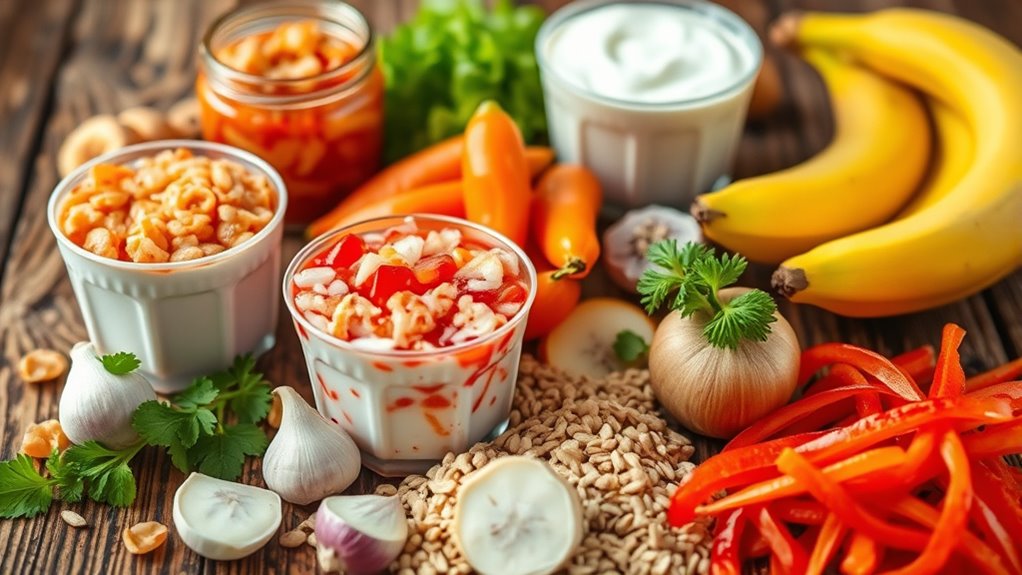
Probiotics are live bacteria that, when consumed in adequate amounts, can help replenish and reinforce your gut flora. They are found in fermented foods like yogurt, kefir, sauerkraut, and kimchi, or can be taken as supplements. By introducing these beneficial microorganisms into your digestive system, probiotics help crowd out harmful bacteria, reducing inflammation and promoting a healthier gut environment. This not only improves digestion but can also bolster your immune system, as a significant portion of immunity resides within your gut.
Prebiotics, on the other hand, are non-digestible fibers that serve as food for your beneficial bacteria. Think of them as the fertilizer that helps your existing gut flora thrive. You can find prebiotics in foods like garlic, onions, bananas, asparagus, and whole grains. When you consume prebiotics, they pass through your digestive tract largely intact, reaching your colon where they are fermented by the friendly bacteria. This fermentation process boosts the growth and activity of these bacteria, enhancing your gut’s overall health and resilience.
Together, probiotics and prebiotics create a synergy that amplifies their individual benefits. By regularly including probiotic-rich foods and prebiotic fibers in your diet, you support a more diverse and stable gut flora. This diversity is key to digestive support because it helps your gut adapt to various dietary and environmental changes, reducing the likelihood of digestive discomfort. Furthermore, a balanced gut flora is linked to better nutrient absorption and even mood regulation, highlighting the broad impact of maintaining a healthy microbiome.
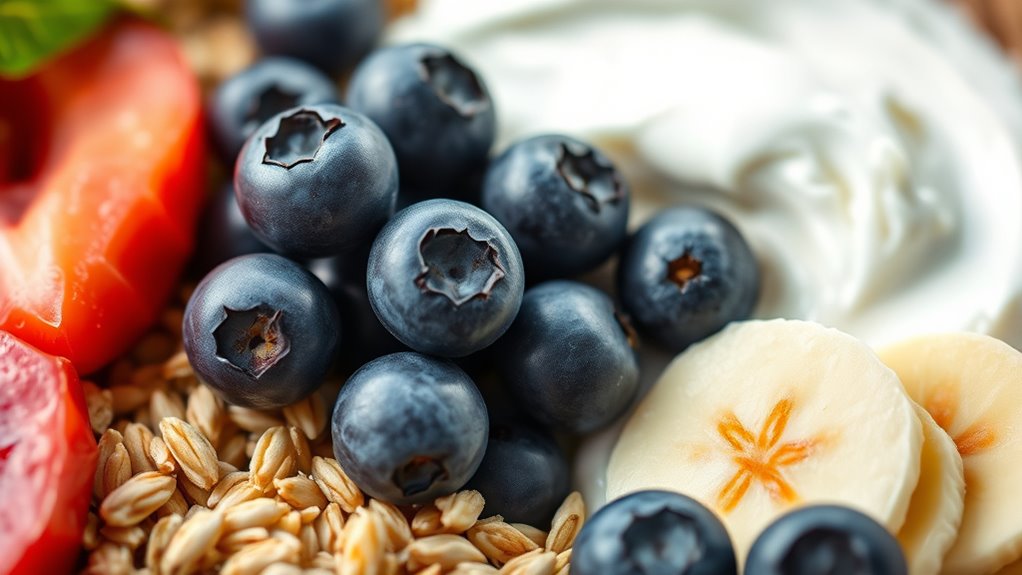
Incorporating probiotics and prebiotics into your lifestyle doesn’t require drastic changes. Simple adjustments like adding yogurt to your breakfast or snacking on a banana can make a noticeable difference. Remember, the goal is to nourish and support your gut flora, ensuring your digestive health remains strong and resilient. Over time, these small steps can lead to improved digestion, fewer gastrointestinal issues, and a better overall sense of well-being.
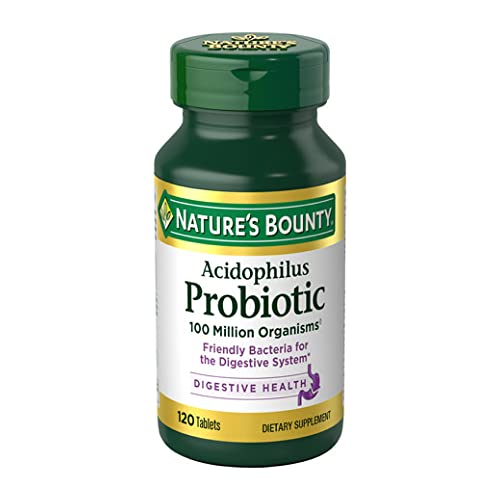
Nature's Bounty Lactobacillus Acidophilus Probiotic Supplement – Daily Probiotic for Women/Men Digestive Health, 100 Million Organisms, Vegetarian, 1 Serving per Day, 120 Tablets
SUPPORTS DIGESTIVE HEALTH (1): Nature’s Bounty Lactobacillus probiotic tablets provide 100 million active cultures; supporting your digestive health…
As an affiliate, we earn on qualifying purchases.
As an affiliate, we earn on qualifying purchases.
Frequently Asked Questions
Can Probiotics Replace Antibiotics for Infections?
Probiotics can’t replace antibiotics for infections because antibiotics are designed to kill harmful bacteria quickly and effectively. Relying solely on probiotics might help maintain gut health but won’t prevent or treat serious infections. Using antibiotics wisely reduces antibiotic resistance and enhances infection prevention. If you suspect an infection, see a healthcare professional for proper treatment, rather than relying on probiotics alone.
Are All Prebiotics Suitable for Sensitive Stomachs?
Not all prebiotic sources are suitable for sensitive digestion; some can cause discomfort or bloating. If you have sensitive stomachs, start with gentle prebiotics like bananas or oats, which are easier to digest. Always listen to your body and introduce new prebiotics gradually. Consulting a healthcare professional can help you find the best options, ensuring your gut stays happy without overwhelming your delicate digestion.
How Long Does It Take to See Gut Health Improvements?
You can start noticing gut health improvements within a few days to a few weeks, depending on your condition. With consistent use of probiotics and prebiotics, you’ll support gut recovery and experience symptom relief faster. Keep in mind that individual responses vary, so patience is key. For some, improvements may be seen in as little as a week, while others might take up to a month to notice significant changes.
Can Probiotics Cause Any Side Effects or Allergies?
Probiotic safety can fluctuate, and some people might experience side effects like bloating, gas, or mild stomach discomfort initially. Allergy concerns are also possible, especially if you’re allergic to ingredients in the supplement or the bacteria strains used. It’s best to start with a small dose and consult your healthcare provider if you notice any adverse reactions. Always choose high-quality probiotics to minimize risks and guarantee safety.
What Is the Best Way to Store Probiotic Supplements?
You want to keep your probiotic supplements at their best, so follow simple storage tips to protect their supplement quality. Keep them in a cool, dry place away from direct sunlight, preferably in a tightly sealed container. Refrigerating probiotics can extend their potency, but always check the label for specific instructions. Proper storage preserves their effectiveness, ensuring you get the full benefits of these helpful bacteria for your gut health.

Benefiber Daily Prebiotic Fiber Supplement Powder for Digestive Health, Unflavored – 250 Teaspoons (17.6 Ounces)
WHAT'S INCLUDED: One 17.6-ounce bottle of unflavored Benefiber Daily Prebiotic Fiber Supplement Powder for Digestive Health (1)
As an affiliate, we earn on qualifying purchases.
As an affiliate, we earn on qualifying purchases.
Conclusion
By now, you see how probiotics and prebiotics work together like a symphony to nurture your gut health. Think of them as your personal garden—plant the right seeds, and watch your digestive system flourish. When you include these in your diet, you’re giving your gut the tools it needs to stay resilient and balanced. So, take charge, nourish your inner ecosystem, and let your health bloom like a vibrant garden in spring.
![Raw Organic Fermented Probiotic Sauerkraut, "Purple Cabbage" Variety [Vegan, Gluten Free, Non-GMO, Probiotic] 16oz Glass Jar by Wise Goat Organics](https://m.media-amazon.com/images/I/41lFSjB8VbL._SL500_.jpg)
Raw Organic Fermented Probiotic Sauerkraut, "Purple Cabbage" Variety [Vegan, Gluten Free, Non-GMO, Probiotic] 16oz Glass Jar by Wise Goat Organics
Probiotic Rich for Gut Health – Our sauerkraut is traditionally fermented for an extended period of time to…
As an affiliate, we earn on qualifying purchases.
As an affiliate, we earn on qualifying purchases.

Totaria 5-in-1 Probiotic Prebiotic & Postbiotic for Women Men, 60 Billion CFU 24 Strains w/Digestive Enzymes, Prebiotic Fiber, Slippery Elm, Daily Complete Immune, Gut Health, 120 Day Supply
Clinically Researched, Science-Driven Probiotics: Powered by 60 Billion CFUs and 24 carefully selected probiotic strains, including top-tier species…
As an affiliate, we earn on qualifying purchases.
As an affiliate, we earn on qualifying purchases.