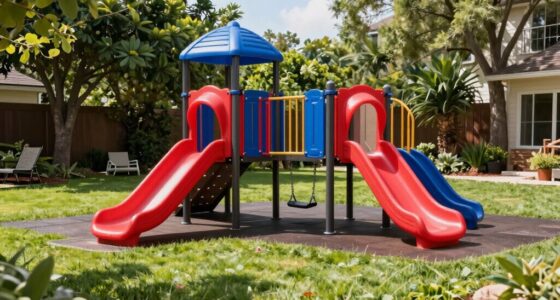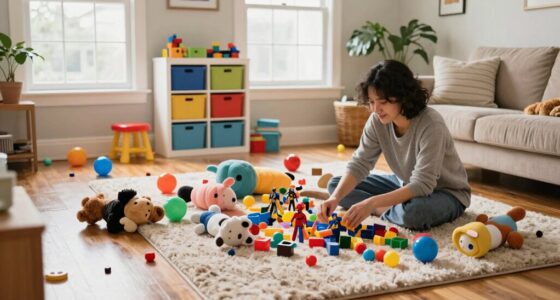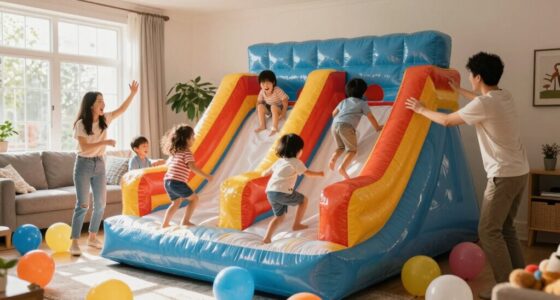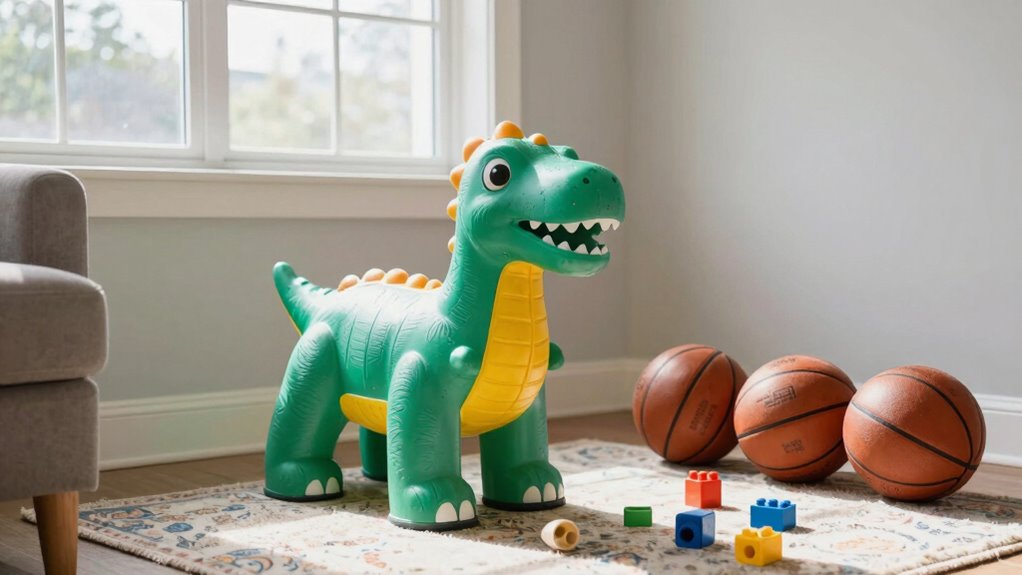

To avoid buying big toys that go unused, focus on evaluating your child’s consistent interests and involve them in choosing toys. Limit purchases to what matches their current hobbies and developmental stage, and discuss gift ideas with family to ensure thoughtfulness. Store toys properly and rotate them regularly to keep your child engaged. These strategies help prevent clutter and neglect, and if you keep going, you’ll discover even more effective ways to manage toy purchases and organization.

Get health and wellness essentials delivered free — and shop member deals
- Fast, free delivery on millions of items
- Access to Prime Big Deal Days deals on October 6–7
- Prime Video, Amazon Music and more included
Key Takeaways
- Assess your child’s genuine interest and current hobbies before purchasing big toys.
- Involve children in choosing toys to ensure they will genuinely enjoy and use them.
- Limit accessible toys through rotation to maintain interest and prevent clutter.
- Use effective storage solutions to keep unused toys out of sight and organized.
- Avoid impulse buys by planning purchases carefully and reviewing return policies beforehand.
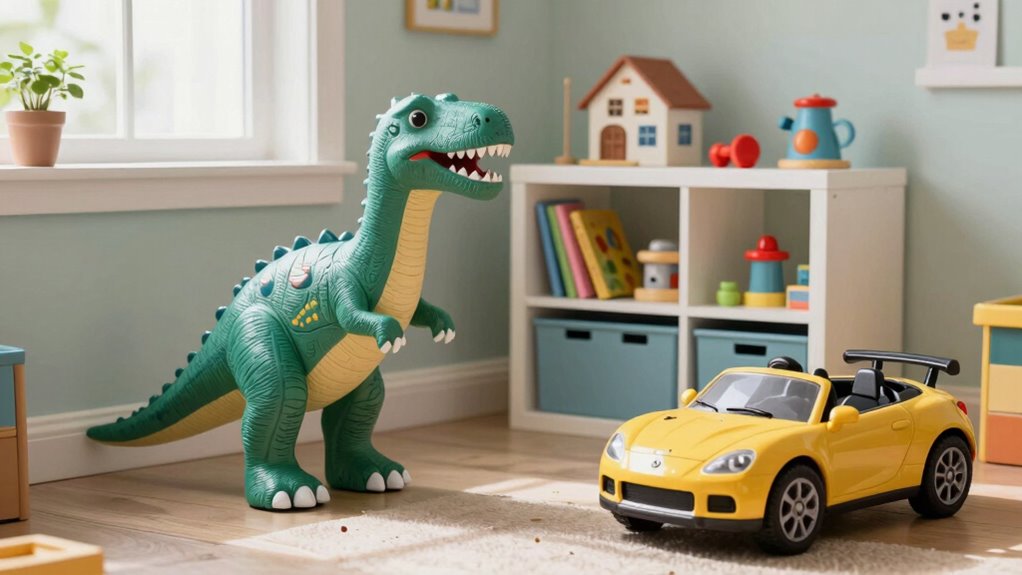
Big toys can be exciting gifts, but they often end up collecting dust or taking up valuable space if your child doesn’t play with them regularly. To prevent this, it’s crucial to think carefully before making a purchase. Instead of impulsively buying a large toy, consider how it will fit into your home and your child’s interests over time. One smart approach is to plan for effective storage solutions that keep big toys out of sight when not in use. Using large containers, toy chests, or designated storage areas helps you maintain a clutter-free space. Proper storage not only keeps your home organized but also makes it easier to rotate toys and keep your child engaged with their collection.
Toy rotation becomes an essential strategy here. Instead of allowing all big toys to be accessible at once, you can regularly swap out the toys your child plays with. This way, they remain excited about their toys and don’t get bored with the same ones every day. When a toy has been out of sight for a while, you can put it into storage and bring out a different one, giving each toy a moment to shine. This method reduces the likelihood of toys becoming unused or neglected. Plus, it makes cleaning up easier because only a few toys are in circulation at any given time. Incorporating effective storage solutions can also help you better manage space and keep your home tidy. Additionally, understanding cabling failures and proper installation techniques can prevent frustration when setting up their play areas or entertainment zones. Being aware of storage techniques can further enhance your organization and maximize space efficiency. Furthermore, exploring AI-powered organization tools can assist in tracking and managing toy inventories more efficiently.
Before purchasing a big toy, ask yourself if your child has shown consistent interest in that type of toy or activity. If they haven’t expressed a desire for it, hold off on buying until you’re confident it will be used. Consider whether the toy aligns with their current hobbies or developmental stage. If it’s a gift, discuss it with other family members or friends to ensure it’s a thoughtful, desired item rather than an impulse buy that might gather dust. Being aware of store return policies and hours can also help you plan purchases more wisely and avoid unnecessary returns or exchanges later.
Furthermore, involve your child in the decision-making process. When they choose their toys or express interest in certain ones, they’re more likely to play with them regularly. This practice also teaches them about valuing their belongings and understanding the importance of taking care of their toys. Combining thoughtful purchasing habits with effective storage solutions and a toy rotation plan helps you avoid the trap of big toys becoming unused, ensuring your space remains organized and your child enjoys their playtime to the fullest.
As an affiliate, we earn on qualifying purchases.
Frequently Asked Questions
How Can I Determine if a Toy Will Be Liked Before Purchasing?
To determine if a toy will be liked before buying, observe their toy preference through play patterns and interests. Ask about their favorite characters or themes and watch for their excitement during similar toy interactions. Timing your purchase is essential; buy when they’re actively showing interest or mentioning specific toys. This way, you guarantee the toy matches their preferences, increasing the chance it’ll be used and appreciated rather than left unused.
Are There Budget-Friendly Alternatives to Big, Unused Toys?
Yes, you can find budget-friendly alternatives to big, unused toys by focusing on toy durability and budget shopping. Opt for smaller, high-quality toys that last longer, reducing the chance of waste. Look for sales, discounts, or secondhand options to save money. Choosing toys with versatile use and educational value also guarantees your child enjoys them more, making your investment worthwhile and avoiding the temptation to buy oversized toys that might go unused.
How Do I Encourage Kids to Play With Their Existing Toys?
Ever wonder how to make your kids love their existing toys? You can try toy rotation, which keeps playtime fresh and exciting. Set aside some toys and introduce them gradually, encouraging playful engagement with different items. This strategy sparks curiosity and prevents boredom. When children see new options, they’re more motivated to explore what they already have, turning ordinary play into an adventure.
What Are the Best Ways to Store Large Toys When Not in Use?
To store large toys effectively, focus on smart toy organization and storage solutions. Use sturdy storage bins, toy chests, or under-bed storage to keep big toys out of sight when not in use. Label containers for easy access, and consider wall-mounted shelves or dedicated play areas to keep toys organized and prevent clutter. These methods help maintain a tidy space and make it simple for kids to find and put away their big toys.
How Can I Involve Children in Choosing Toys They’Ll Actually Play With?
You can involve children in choosing toys by discussing their toy preferences and encouraging their input. Make shopping a fun activity where they can pick out items they genuinely like, fostering parental involvement. Ask about their favorite characters or activities, and observe what sparks their interest. This approach guarantees they’ll be more likely to play with the toys, reducing the chance of unused, unused big toys cluttering your space.
As an affiliate, we earn on qualifying purchases.
Conclusion
Avoiding unused big toys isn’t just about saving space or money—it’s about valuing the moments you create, not just the toys you buy. Instead of filling your home with items that gather dust, focus on quality over quantity, and choose toys that inspire active play and imagination. Because in the end, it’s not the size of the toy that matters, but the size of the memories you build—something no toy can replace.
As an affiliate, we earn on qualifying purchases.
As an affiliate, we earn on qualifying purchases.
Fall Picks
fall essentials
As an affiliate, we earn on qualifying purchases.