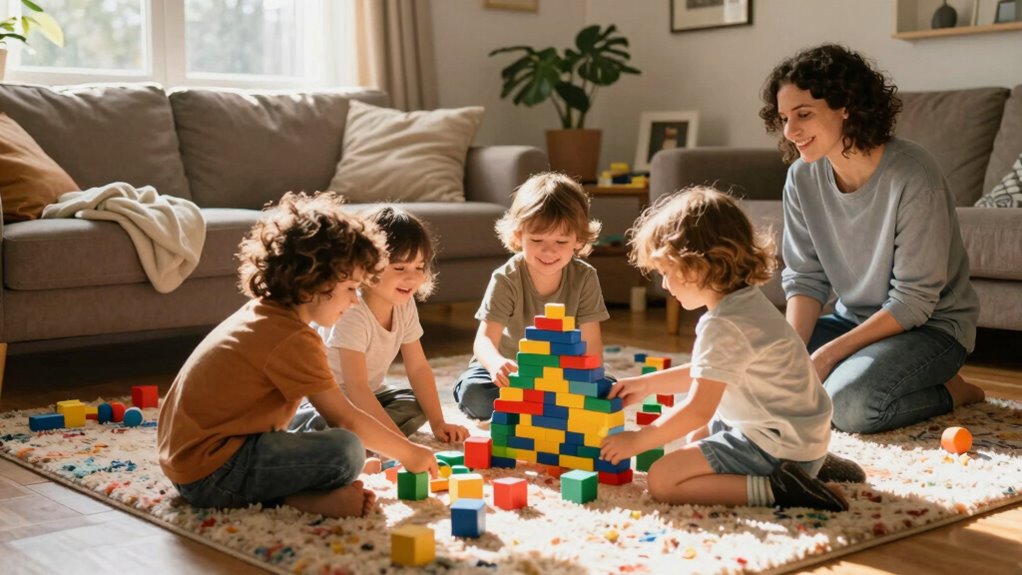

To create a family culture around play, prioritize unstructured time where screens are off-limits and encourage imaginative activities. Provide simple materials for creative play and involve everyone in routines like game nights or storytelling. Show that your children’s interests matter by actively participating and fostering spontaneous joy. This builds trust, strengthens bonds, and creates shared experiences that shape your family’s values. Keep exploring ways to make play a natural, joyful part of your daily life.

Get health and wellness essentials delivered free — and shop member deals
- Fast, free delivery on millions of items
- Access to Prime Big Deal Days deals on October 6–7
- Prime Video, Amazon Music and more included
Key Takeaways
- Prioritize unstructured playtime to encourage creativity, exploration, and spontaneous family interactions.
- Provide accessible, diverse materials for imaginative activities that invite children to invent their own games.
- Incorporate regular, fun routines like game nights or dance parties to integrate play into daily life.
- Actively participate in children’s play to strengthen bonds and demonstrate that their interests matter.
- Foster a joyful, relaxed environment that values spontaneity, shared experiences, and family laughter.
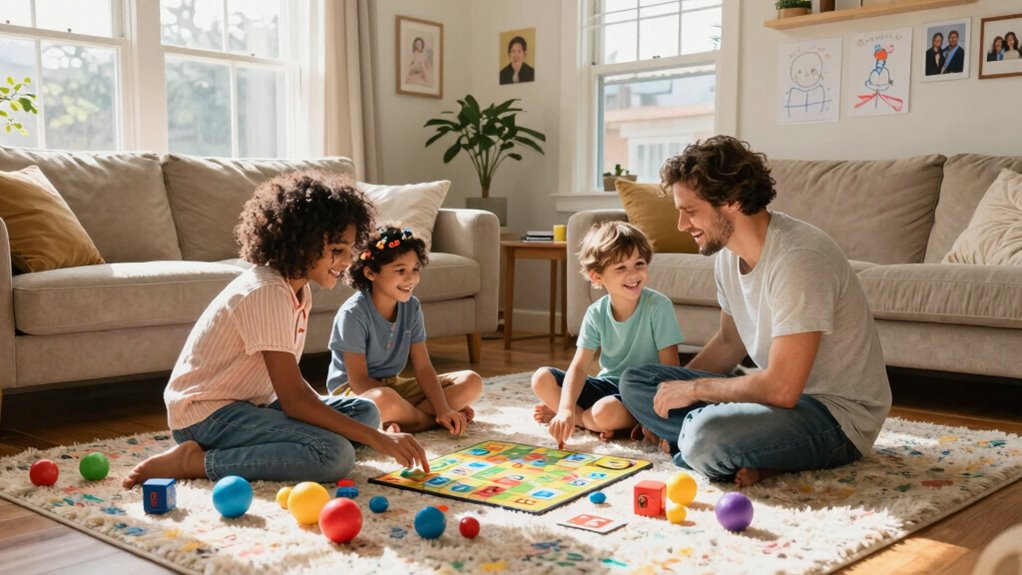
Play isn’t just a way for kids to have fun—it’s an essential part of building your family’s culture. When you make play a central part of your daily life, you create opportunities for creative play and meaningful family bonding. These moments don’t just entertain; they help shape the values, communication styles, and connections that define your family. To foster a strong culture around play, start by prioritizing regular, unstructured playtime. Set aside specific periods where screens are off-limits and everyone can engage in activities without a set agenda. This openness encourages your kids to explore their imagination and develop problem-solving skills, all while feeling safe and supported.
Creating a space where creative play thrives is crucial. You can do this by providing a variety of simple materials like arts and crafts supplies, building blocks, costumes, or even household items that spark imagination. When your children see that you value their ideas and encourage them to invent their own games, they learn that their creativity is important. This shared enthusiasm for imaginative activities fosters family bonding because everyone becomes a participant rather than just an observer. Playing together in this way establishes a sense of teamwork and mutual respect that carries over into other parts of your family life. Incorporating imaginative play through tools like AR filters or retro fonts can also inspire fresh ways for your family to connect and have fun together. Emphasizing family involvement in play can further deepen these connections and promote a positive family culture. Additionally, nurturing a playful environment helps reinforce the importance of joy and spontaneity in your daily interactions. Understanding the benefits of herbalism and plant-based remedies can also remind your family of the importance of natural health and wellness, which is supported by quality home environment principles.
Incorporate play into your routine as a way to connect. Whether it’s a Saturday game night, a spontaneous dance party, or a family storytelling session, these moments strengthen your relationships. When you actively engage in your children’s play, you demonstrate that their interests matter. This involvement helps build trust and encourages open communication. Over time, your family will come to see play as more than just a leisure activity; it’s a foundation for shared experiences, laughter, and learning.
arts and crafts supplies for kids
As an affiliate, we earn on qualifying purchases.
As an affiliate, we earn on qualifying purchases.
Frequently Asked Questions
How Can I Involve Busy Family Members in Play Routines?
To involve busy family members in play routines, schedule quick, focused sessions that fit into everyone’s day, like a short game or chat during dinner. Encourage team bonding by sharing responsibilities and celebrating small wins together. Use these moments to build emotional connection, making everyone feel valued and engaged. Keep it fun and flexible, so even busy schedules don’t prevent your family from sharing meaningful play experiences.
What Are Some Budget-Friendly Ways to Encourage Family Play?
Think of it as channeling Huck Finn—adventure is everywhere. You can encourage family play on a budget by exploring outdoor adventures like nature walks or scavenger hunts. Use creative toys like homemade instruments, DIY obstacle courses, or repurposed household items to spark imagination. These activities require little to no money, yet they create lasting memories. Get everyone involved, and watch your family bond grow through simple, fun-filled moments.
How Do I Handle Conflicts During Family Playtime?
When conflicts arise during family playtime, you handle them with calm conflict resolution and clear play boundaries. Gently remind everyone to respect each other’s feelings and listen actively. Encourage taking turns and sharing, and set simple rules to prevent misunderstandings. If tensions escalate, pause the game, give everyone a moment to cool down, and then discuss solutions. Consistently applying these strategies helps maintain a fun, respectful family environment.
What Activities Promote Inclusivity for All Ages?
You can promote inclusivity for all ages by choosing inclusive games that everyone can enjoy, like charades or scavenger hunts adapted for different mobility levels. Incorporate adaptive activities that cater to individual needs, ensuring everyone feels involved. Focus on creating a welcoming environment where each family member’s abilities are valued. This approach encourages shared fun, strengthens bonds, and fosters a truly inclusive family culture around play.
How Can I Balance Structured and Unstructured Play?
You can balance structured and unstructured play by setting creative boundaries that define flexible rules, allowing for guided activities and spontaneous moments. Start with planned activities to provide direction, then let family members explore their interests freely. Encourage open-ended play that fosters creativity, giving space for spontaneous moments to emerge. This mix helps everyone stay engaged, nurtures imagination, and creates a joyful, adaptable family culture centered around play.
building blocks set for children
As an affiliate, we earn on qualifying purchases.
As an affiliate, we earn on qualifying purchases.
Conclusion
By weaving play into your family’s daily routine, you’re planting seeds of connection that grow into a vibrant family culture. Think of play as the glue that binds your family’s story, turning everyday moments into cherished memories. When you embrace joy and spontaneity, your family’s bond becomes as strong as an unbreakable thread. Keep nurturing this culture, and watch as your family’s love and laughter flourish like a garden in full bloom.
As an affiliate, we earn on qualifying purchases.
As an affiliate, we earn on qualifying purchases.
Fall Picks
fall essentials
As an affiliate, we earn on qualifying purchases.