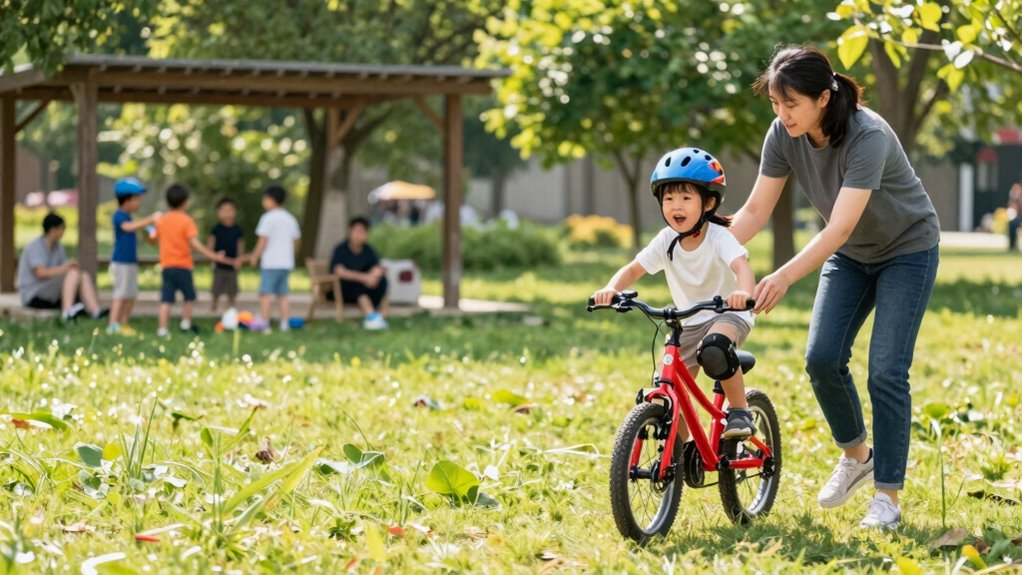

To choose activities that match your child’s energy, observe their natural activity level—whether they’re more active or reserved. Match outdoor activities like biking or playing tag with their energy, and use calmer indoor options like puzzles or arts for quieter moments. Watch how they respond, and adjust accordingly. Balancing physical and mental tasks helps keep them engaged without overwhelming. Continue exploring these strategies to find the perfect fit for your child’s unique needs.
Key Takeaways
- Observe your child’s natural activity preferences to identify whether they are active or reserved.
- Match physical activities with their energy levels to prevent overexertion or boredom.
- Incorporate a balance of outdoor and indoor activities based on their mood and weather conditions.
- Adjust activities according to their responses, increasing or decreasing intensity as needed.
- Include a variety of activities that stimulate both physical and mental engagement to suit their energy.
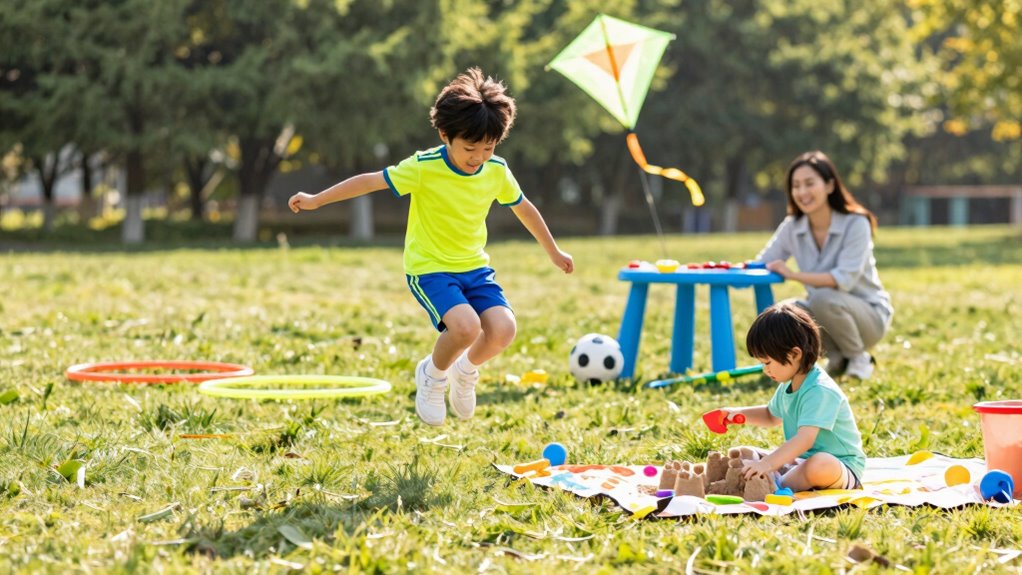
Selecting activities for your child can be both exciting and challenging, as you want to find options that promote growth, enjoyment, and balance. One of the first things to take into account is your child’s energy level. Some children are naturally more active, enthusiastic to run, climb, and explore, while others prefer calmer, more focused activities. Understanding their energy helps you choose activities that keep them engaged without overwhelming them.
Choosing activities that match your child’s energy fosters growth, enjoyment, and a healthy balance.
If your child has high energy, outdoor adventures are a fantastic choice. Think about activities like biking, hiking, or playing tag in the yard. These options allow them to burn off excess energy while also developing physical skills, coordination, and confidence. Outdoor adventures also offer fresh air and open space, which can be invigorating and boost their mood. When planning outdoor activities, think about their interests—perhaps they love to climb trees, kick a soccer ball, or explore nature trails. These pursuits help channel their energy productively and encourage a healthy, active lifestyle. Incorporating outdoor recreation, such as sports or nature walks, can further enhance their physical and emotional well-being.
On the other hand, if your child tends to be more reserved or prefers quieter activities, indoor games can be just as beneficial. Indoor games like puzzles, board games, or creative arts and crafts provide mental stimulation and help develop concentration, problem-solving skills, and patience. These activities are especially useful during bad weather or when outdoor options are limited. You can also tailor indoor activities to your child’s interests, whether that’s building with blocks, playing pretend, or engaging in educational games that make learning fun. Additionally, incorporating activities that foster mental focus can help balance their energy and promote calmness.
Finding the right balance between indoor games and outdoor adventures is key. For children with abundant energy, incorporating outdoor adventures into daily routines ensures they get enough physical activity. Meanwhile, indoor games can serve as a calming, focused activity when they need a break or wind-down time. Observing your child’s responses to different activities helps you deliberate your choices. If they seem exhausted and happy after outdoor play, you’re on the right track. If they become restless or uninterested, maybe they need more structured indoor games that challenge their mind or provide a sense of accomplishment. Additionally, understanding juice extraction techniques can inspire you to incorporate healthy drinks into your child’s routine, promoting hydration and nutrition during active play. Incorporating appropriate footwear for different activities can also enhance their comfort and safety, ensuring they stay motivated and protected.
Research shows that activity preferences often correspond to a child’s natural temperament and energy levels, making it easier to find suitable activities that foster their development. Ultimately, the best approach is to offer a variety of activities that match your child’s energy levels and interests. Mixing outdoor adventures with indoor games ensures they stay active, engaged, and balanced. When you pay attention to their cues, you can create a routine that nurtures their development and keeps them motivated. Remember, the goal is to support their growth while making activity time fun and fulfilling for them.

AppleRound 8.5-inch Dodgeball Playground Balls, Pack of 4 Balls with 1 Pump, Official Size for Dodge Ball, Handball, Camps and Schools (Multicolor)
Pack of 4 balls (Multicolor: 1 each of Red, Blue, Green and Yellow) with 1 hand pump in…
As an affiliate, we earn on qualifying purchases.
As an affiliate, we earn on qualifying purchases.
Frequently Asked Questions
How Can I Identify My Child’s True Activity Preferences?
To identify your child’s true activity preferences, observe what naturally excites and engages them. Pay attention to their interests during playtime and note which activities they choose repeatedly. Talk with them about what they enjoy and ask open-ended questions to uncover their preferences. Watch for patterns in their behavior and enthusiasm, which reveal their genuine interests. This helps you select activities that truly match their personality and energy levels.
What Activities Are Suitable for Children With Special Needs?
Research shows that nearly 1 in 6 children has a developmental disorder, so choosing suitable activities is essential. For children with special needs, focus on sensory integration activities that help them process stimuli comfortably. Incorporate social skills exercises, like guided play or group activities, to foster interaction. These tailored activities boost confidence, improve communication, and support overall development, making learning enjoyable and accessible for every child.
How Do I Balance Indoor and Outdoor Activities Effectively?
You should balance indoor games and outdoor sports by scheduling them thoughtfully throughout the day. Start with energizing outdoor sports to burn off excess energy, then switch to indoor games for calmer, focused activities. Mix activities based on your child’s interests and energy levels. By alternating between active outdoor sports and relaxing indoor games, you create a balanced routine that keeps your child engaged, happy, and well-rested.
When Should I Modify Activities to Match My Child’s Energy Levels?
You should modify activities when energy fluctuations hit their peak—it’s often when your child’s enthusiasm wanes or spikes unexpectedly. Activity timing matters; don’t push a high-energy kid into a quiet puzzle session during a burst of energy. Instead, adapt on the fly, switching to more active pursuits during energetic spells and calming ones when their energy dips. Flexibility helps keep your child engaged without becoming overwhelmed or under-stimulated.
How Can I Encourage Shy or Hesitant Children to Participate?
You can encourage shy children to participate by creating a supportive environment that builds confidence and encourages socialization. Start with small, familiar activities where they feel safe, and gradually introduce new ones. Use positive reinforcement, praise their efforts, and avoid forcing participation. Allow them to observe first, then gently invite them in. Over time, these strategies help shy kids feel more comfortable, boosting their confidence and encouraging socialization naturally.

Endless Games The Original The Floor is Lava! Game by Endless Games – Interactive Game For Kids And Adults – Promotes Physical Activity – Indoor And Outdoor Safe
ENDLESS GAMES PRESENTS: The Floor is Lava! is a family board game that promotes physical activity, an active…
As an affiliate, we earn on qualifying purchases.
As an affiliate, we earn on qualifying purchases.
Conclusion
So, next time you pick activities, remember—your child’s boundless energy might just be your ticket to a quiet, peaceful evening… or a whirlwind that leaves your house resembling a tornado aftermath. Ironically, the activities designed to tire them out often leave you more exhausted than they are. Embrace the chaos, find joy in the whirlwind, and realize that sometimes, the most energetic kids make the most memorable stories—whether you’re ready or not.

Arts & Crafts Supplies Kits & Materials Set for Kids, Toddler – Carl & Kay
ALL INCLUSIVE CRAFT KIT: Looking for a fun one-stop, ready-for-anything craft supply bundle that covers all the basics?…
As an affiliate, we earn on qualifying purchases.
As an affiliate, we earn on qualifying purchases.
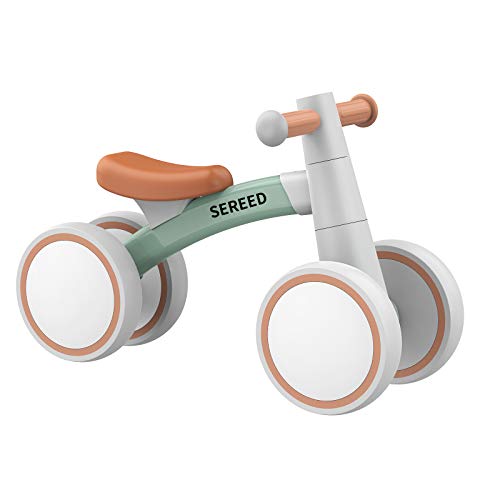
SEREED Baby Balance Bike for 1-2 Year Olds – 4 Wheels, First Bike for Toddlers, Birthday Gift (Green)
GROW IN FUN: Recommended ages for 12-24 months. The infant balance bike is the best birthday gift for…
As an affiliate, we earn on qualifying purchases.
As an affiliate, we earn on qualifying purchases.