

Regular exercise plays a crucial role in preventing chronic diseases by strengthening your heart, improving blood circulation, and maintaining flexible blood vessels. It helps you manage weight, reduce stress, and lower your risk of conditions like hypertension, stroke, and diabetes. Staying active also boosts your mental health and cognitive function. By making movement a daily habit, you’ll support lifelong health and resilience—if you keep exploring, you’ll discover even more ways exercise benefits your well-being.
Key Takeaways
- Regular exercise strengthens the heart and improves blood circulation, reducing the risk of cardiovascular diseases like hypertension and stroke.
- Physical activity helps maintain a healthy weight, decreasing the likelihood of obesity-related conditions such as diabetes and metabolic syndrome.
- Exercise promotes mental well-being by releasing endorphins, lowering stress, anxiety, and depression, which can contribute to overall health.
- Consistent activity increases blood flow to the brain, supporting cognitive function and reducing age-related cognitive decline.
- Engaging in moderate, regular exercise enhances immune function and helps prevent chronic illnesses through long-term health benefits.

Regular exercise plays an essential role in preventing a wide range of chronic diseases. When you stay active, you actively support your cardiovascular health, which is necessary for your overall well-being. Engaging in regular physical activity helps strengthen your heart muscle, improves blood circulation, and reduces the risk of conditions like hypertension, stroke, and coronary artery disease. By keeping your blood vessels flexible and your heart functioning efficiently, exercise lowers your chances of developing life-threatening issues later in life. Additionally, consistent movement can help you maintain a healthy weight, which further reduces strain on your heart and arteries, making exercise an indispensable part of disease prevention.
Beyond its physical benefits, exercise also plays a pivotal role in enhancing your mental well-being. When you work out, your brain releases endorphins—those feel-good chemicals that lift your mood and reduce stress. This natural boost can help you combat anxiety and depression, common mental health challenges that often accompany chronic illnesses. Regular activity encourages better sleep, which is essential for mental clarity and emotional stability. When you prioritize exercise, you create a positive feedback loop: feeling better physically often translates into improved mental health, making you more motivated to stay active. Over time, this cycle can considerably lower your risk of developing mental health disorders and help you manage existing conditions more effectively.
Moreover, exercise boosts your cognitive function, sharpening your focus and memory. Physical activity increases blood flow to the brain, delivering oxygen and nutrients that support neural health. This can result in better concentration, quicker thinking, and a reduced risk of cognitive decline as you age. When you incorporate exercise into your routine, you’re also building resilience against stressors that can negatively impact your mental and physical health. It helps you develop healthier habits, such as managing weight, controlling blood sugar levels, and maintaining healthy blood pressure—key factors in preventing chronic illnesses like diabetes and metabolic syndrome. Additionally, engaging in physical activity can improve your refrigerant management, which is vital for minimizing environmental impact and ensuring sustainable health solutions.
Incorporating regular exercise into your daily routine doesn’t mean you have to spend hours at the gym. Even moderate activities like brisk walking, cycling, or swimming can make a meaningful difference. The key is consistency; making movement a habit ensures long-term health benefits. By taking proactive steps now, you can greatly lower your risk of developing serious diseases, while simultaneously improving your mental well-being. Remember, every bit of activity counts. The more you move, the better your chances of enjoying a healthier, more vibrant life free from preventable chronic diseases.

Polar H10 Heart Rate Monitor Chest Strap – ANT + Bluetooth, Waterproof HR Sensor for Men and Women, Black, M-XXL
WORKS WITH EVERYTHING: Polar HRM works with ALL HRM compatible Equipment.
As an affiliate, we earn on qualifying purchases.
As an affiliate, we earn on qualifying purchases.
Frequently Asked Questions
How Much Exercise Is Needed to Prevent Specific Diseases?
To prevent specific diseases, aim for at least 150 minutes of moderate exercise or 75 minutes of vigorous activity weekly. You should vary exercise intensity based on your fitness level and health goals. Spread sessions throughout the week, ideally 3-5 times, to maintain consistency. Regular exercise, with appropriate intensity and frequency, helps reduce risks of heart disease, diabetes, and other chronic conditions effectively.
Are Certain Types of Exercise More Effective for Disease Prevention?
Yes, certain types of exercise are more effective for disease prevention. Strength training helps combat osteoporosis and type 2 diabetes, while aerobic workouts improve cardiovascular health and lower cancer risks. Incorporate both into your routine for all-encompassing benefits. You’ll find that combining strength training with aerobic exercises maximizes your prevention efforts, offering a balanced approach to reducing disease risk and boosting overall health.
Can Exercise Replace Medication for Preventing Chronic Diseases?
Exercise can’t fully replace medication for preventing chronic diseases, but it plays a vital role. You should always prioritize exercise safety and consult your healthcare provider before making changes. While regular activity reduces the risk of diseases like heart disease and diabetes, it doesn’t eliminate the need for medication, especially if you experience medication side effects. Combining exercise with prescribed treatments offers the best protection for your health.
How Does Age Influence Exercise’s Role in Disease Prevention?
As you age, your risk for chronic diseases increases by about 50%, making exercise even more essential. Age-related decline in muscle mass and cardiovascular health means your exercise adaptations might slow down, but staying active still offers significant benefits. Regular activity helps maintain mobility, reduces disease risk, and improves overall well-being. So, regardless of age, consistent exercise plays a critical role in preventing illness and supporting healthy aging.
What Are the Best Strategies to Motivate Regular Physical Activity?
To stay motivated for regular physical activity, focus on behavior change by setting realistic goals and tracking your progress. Surround yourself with social support—work out with friends or join a community group—to stay accountable and motivated. Celebrate small victories and remind yourself of the health benefits. Consistency builds habits, so make exercise enjoyable and integrate it into your daily routine for long-term success.
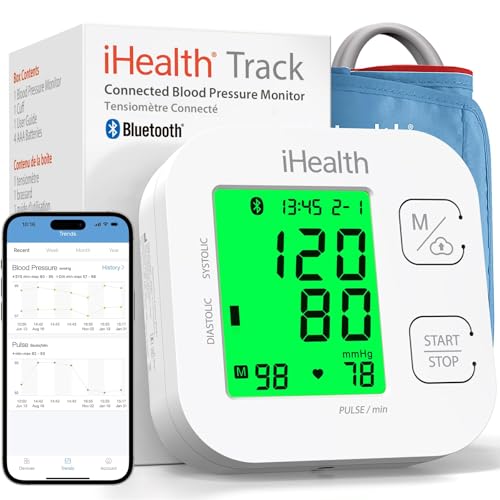
iHealth Track Smart Upper Arm Blood Pressure Monitor with Wide Range Cuff That fits Standard to Large Adult Arms, Bluetooth Compatible for iOS & Android Devices
Clinically Accurate: Easy Operation by two buttons, Advanced Accuracy, No Calibration required.
As an affiliate, we earn on qualifying purchases.
As an affiliate, we earn on qualifying purchases.
Conclusion
By now, you see how exercise acts as a powerful shield against many diseases. Staying active isn’t just a choice; it’s a smart move to keep ailments at bay. Remember, prevention is better than cure, and a little effort now can save you a lot of trouble later. Don’t wait until the horse has bolted—make exercise a regular part of your routine. Your future self will thank you for it.

RENRANRING Resistance Bands for Working Out, 150LBS Exercise Bands, Workout Bands, Resistance Bands Set with Handles for Men Women, Legs Ankle Straps for Muscle Training
Adjustable Resistance Bands Set: 5 resistance levels, Pink 10 lbs, Medium pink 20 lbs, Blue 30 lbs, Grey…
As an affiliate, we earn on qualifying purchases.
As an affiliate, we earn on qualifying purchases.

NEURIVA Plus Brain Supplement for Memory and Focus Clinically Tested Nootropics for Concentration for Mental Clarity, Cognitive Enhancement Vitamins B6, B12, Phosphatidylserine 30 Capsules
NOOTROPICS BRAIN SUPPORT SUPPLEMENT: Experience improved brain performance and unlock your full potential. Enhance your memory and focus…
As an affiliate, we earn on qualifying purchases.
As an affiliate, we earn on qualifying purchases.