TL;DR

Get health and wellness essentials delivered free — and shop member deals
- Fast, free delivery on millions of items
- Access to Prime Big Deal Days deals on October 6–7
- Prime Video, Amazon Music and more included
Personal wellness tracking devices include smartwatches, fitness bands, rings, scales, phone apps, and specialized monitors that collect activity and selected health data. They can help you notice patterns and support everyday goals, but accuracy varies by metric, privacy practices deserve a close look, and readings should not replace advice from a qualified health professional.
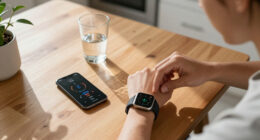
Your watch can count a walk down to the last step, then give you a very different sleep score from the one you expected. That gap captures the promise and the catch of personal wellness tracking devices: they make everyday patterns visible, but their numbers are estimates, not a complete picture of your health.
These devices range from familiar smartwatches and fitness bands to rings, connected scales, phone apps, and specialized monitors. They can track activity, heart rate, sleep, or other selected measures, often syncing the results to an app. In this guide, you’ll learn what the different types do, which readings deserve caution, how to protect your data, and how to choose a tracker that fits your actual routine.
The practical goal is simple: use the device to ask better questions about your habits, not to diagnose yourself. If a reading concerns you or affects a medical decision, discuss it with a qualified health professional.
Choose one clear goal first, then select the device and metric that match it.
Treat activity and sleep readings as estimates; accuracy varies by device and measurement.
Check app permissions, data sharing, and deletion options before connecting services.
Review patterns over time instead of letting one score dictate your mood or choices.
Use consumer tracker readings as discussion aids, not substitutes for medical care.
What personal wellness tracking devices actually measure
Personal wellness tracking devices are consumer tools that collect selected information about your movement, sleep, or body and display it through a device or app. They turn sensor signals—such as wrist motion or a pulse reading—into estimates you can follow over time. The number on screen is useful as a clue, not automatically a medical measurement.
A fitness band may count steps and estimate distance, while a smartwatch adds features such as heart rate monitoring or an ECG function on supported models. A ring may focus on sleep and overnight trends; a connected scale can record weight and sometimes estimate body composition. Phone apps can track activities too, though a phone left on the kitchen counter cannot count a walk in the same way as one in your pocket.
For instance, imagine you take the same neighborhood route on Monday and Friday. Your tracker might show similar step counts but different heart-rate estimates because you walked faster on Friday or wore the band loosely. That difference can prompt you to check the fit or your pace; it does not explain the cause on its own.
The important aspects of a tracker are what it measures, how it gathers the data, and how clearly it explains its limitations. Features such as blood oxygen sensors, skin-temperature readings, or ECG functions vary by device and may have specific restrictions. Check the manufacturer’s description rather than assuming that a feature name means the device can diagnose a condition.
best personal wellness tracker for sleep
As an affiliate, we earn on qualifying purchases.
As an affiliate, we earn on qualifying purchases.
Choose a device by matching it to one everyday goal
Personal wellness tracking devices are easiest to choose when you start with a specific goal, such as moving more, reviewing sleep habits, or keeping a record to discuss with a clinician. Match the device’s actual features to that goal instead of paying for an impressive list you may never use. Comfort, battery life, phone compatibility, and privacy settings matter as much as sensor count.
Use this quick sequence before you buy:
- Name your goal. For example, you want a gentle reminder to stand during long desk shifts, not a full medical dashboard.
- Pick the relevant metric. A basic activity band may suit step and movement goals; a sleep-focused ring may appeal if you want overnight trends.
- Check compatibility. Confirm integration with smartphones and the apps you already use, especially if you plan to share reports.
- Test the daily fit. Consider whether you’ll wear it while sleeping, exercise, or wash dishes, and how often you’ll charge it.
- Read the data policy. Find out what the app collects, stores, and shares before you create an account.
Suppose you want to take more walks during a busy workweek. A comfortable band with a clear movement reminder may help more than a premium watch whose advanced charts you rarely open. If you’re tracking a diagnosed condition, ask your healthcare professional which device features or readings are useful for your care; consumer trackers are not interchangeable with prescribed monitors.
fitness bands with heart rate monitor
As an affiliate, we earn on qualifying purchases.
As an affiliate, we earn on qualifying purchases.
Know which readings are estimates and which need extra caution
Tracker accuracy depends on the metric, the device, and how you wear it; a useful step count does not prove that every other reading is equally dependable. Consumer devices can help reveal broad patterns, but their medical-grade accuracy varies. In particular, treat a single unexpected number as a prompt to check context rather than a diagnosis.
Movement is often straightforward to compare across your own days, though wrist motion can confuse step estimates—for example, vigorous arm movements while cooking may register as activity. Heart rate monitors use sensors that can be affected by fit, movement, and other conditions. A loose strap during a run may produce jumpy readings, so tightening the fit and checking the device instructions can help.
Blood oxygen sensors and ECG features deserve special care. Their availability, intended use, and accuracy differ between products; a wellness device’s result may not be suitable for making a medical decision. Sleep scores also compress a complicated night into a tidy number. If you woke feeling rested but the app gives you a low score, the number alone cannot tell you what happened.
For instance, if your tracker records an unusual heart-rate value while you are climbing stairs, note the time, activity, and how the band fit. If symptoms or repeated concerns arise, contact a qualified professional rather than relying on the app’s interpretation. Use trends as conversation starters, and leave diagnosis and treatment decisions to clinicians.
smartwatches for activity tracking
As an affiliate, we earn on qualifying purchases.
As an affiliate, we earn on qualifying purchases.
Protect your health data before you connect every app
Wellness tracker data can reveal personal routines, including when you exercise, how you sleep, and which health measures you choose to record. Before connecting a device to several apps or cloud services, check what information each service collects, how long it keeps it, and whether it shares data with other parties. Convenient integration can also mean more places where your information is stored.
Privacy rules differ by location and by the organization handling the information. HIPAA applies to certain covered entities and business associates in the United States; it does not automatically protect every consumer fitness app. The European Union’s GDPR sets data-protection requirements within its scope, but the exact rights and obligations depend on the situation. Don’t assume a product follows a particular rule just because it uses the word “health.”
Try a small privacy check before setup: review permissions, turn off sharing features you don’t need, use a strong unique password, and see whether you can delete or export your data. For example, if a step-count app requests access to your contacts and precise location, ask whether those permissions support the feature you actually want. If the answer is unclear, decline access or choose another option.
Integration with smartphones and health apps can make your records easier to review or share, but a connection is a choice, not a requirement. Share a report with a clinician only when it supports a relevant conversation, and ask how to send it securely. A simple device with fewer data connections may suit you better than a feature-rich ecosystem.
connected scales for body composition
As an affiliate, we earn on qualifying purchases.
As an affiliate, we earn on qualifying purchases.
Use the trend without letting the score run your day
A tracker is most helpful when it supports a habit you value without turning every fluctuation into a judgment. Daily scores can bounce because of fit, timing, movement, or the device’s interpretation of its signals. Looking at a consistent pattern over several days is usually more useful than reacting to one low sleep score or a missed step goal.
For example, Maya sets a modest walking reminder because she spends long stretches at a desk. After two weeks, she notices that a short lunchtime walk helps her meet her personal movement goal. She keeps the reminder and ignores calorie estimates she doesn’t find useful. That is a sensible outcome: the device supports a routine, while Maya decides what information matters.
Some people find frequent notifications motivating; others find that they create pressure or worry. If you notice yourself checking the app repeatedly, feeling distressed by ordinary variations, or changing behavior based on uncertain readings, consider switching off alerts or taking a break from tracking. The tracker should serve your day, not occupy it.
Newer products increasingly combine multiple sensors and offer AI-generated summaries, stress or mood features, and links to telehealth or remote monitoring. These tools may make trends easier to review, but an algorithmic insight is still an interpretation. A device used in a clinician-led monitoring plan is different from a consumer feature you activate on your own; ask the care team how to use and report the data.
Compare common device types before you spend
Different tracker types suit different routines: bands and watches emphasize daily activity, rings can offer a low-profile option, and specialized devices focus on selected measurements. Compare the feature you need with the tradeoffs you’ll live with, such as charging, comfort, phone support, and data sharing. More sensors do not automatically mean better information for your purpose.
| Device type | Often useful for | What to check |
|---|---|---|
| Fitness band | Steps, activity reminders, basic trends | Fit, battery life, app support |
| Smartwatch | Activity plus broader phone-connected features | Price, charging routine, supported health features |
| Smart ring | Low-profile wear and overnight tracking | Comfort, sizing, charging, compatibility |
| Connected scale | Recording weight trends at home | Shared household profiles and data handling |
| Specialized monitor | A particular measure under defined conditions | Validation, intended use, clinician guidance |
Imagine you dislike wearing a watch in bed but want a rough view of overnight patterns. A ring may feel less intrusive, while a band you already own could be the cheaper way to test whether sleep tracking helps. If a clinician has asked you to monitor a specific measure, don’t substitute a general wellness product without checking first.
Prices and features change quickly, so compare current product details rather than relying on a broad category label. Look for clear explanations of intended use, compatible phones, data export options, and how the company handles updates. Choose the least complicated device that answers your real question.
Frequently Asked Questions
Are personal wellness tracking devices accurate enough to manage health?
They can help you follow general activity and notice patterns, but accuracy varies by device and metric. A consumer reading should not replace clinical measurement or professional advice, especially for decisions about a health condition.
Can a wellness tracker replace regular medical checkups?
No. A tracker records selected signals and estimates; it does not provide a full health assessment. Keep recommended appointments and ask a qualified health professional how, if at all, your device data can support your care.
What should I check before buying a wellness device?
Start with your goal, then check the relevant features, comfort, battery life, phone compatibility, and privacy policy. If you need to monitor a diagnosed condition, discuss the device and its intended use with your care team before relying on it.
Are blood oxygen sensors and heart rate monitors always reliable?
No single answer applies to every model or situation. Fit, movement, device design, and measurement conditions can affect readings, and consumer sensors may not be intended for diagnosis. Follow the manufacturer’s instructions and seek professional guidance for concerning results.
How can I protect the information my tracker collects?
Review the device and app privacy policies, limit permissions you don’t need, use a unique password, and check whether you can delete or export your records. Don’t assume every consumer app falls under the same health-data protections.
Can tracker scores make people anxious?
Some users find frequent alerts or fluctuating scores stressful. If a score is affecting your mood or driving decisions based on uncertain readings, turn off notifications, reduce checking, or pause tracking and discuss persistent concerns with a professional.
Conclusion
Choose a tracker for the one habit or pattern you genuinely want to understand, then check its comfort, compatibility, accuracy limits, and privacy settings. Give the numbers room to be imperfect, and bring health concerns or medical decisions to a qualified professional.
The best device is not the one with the most sensors. It’s the one that quietly helps you notice a useful pattern, then lets you get on with your day.
Cold & flu season Picks
humidifiers
As an affiliate, we earn on qualifying purchases.