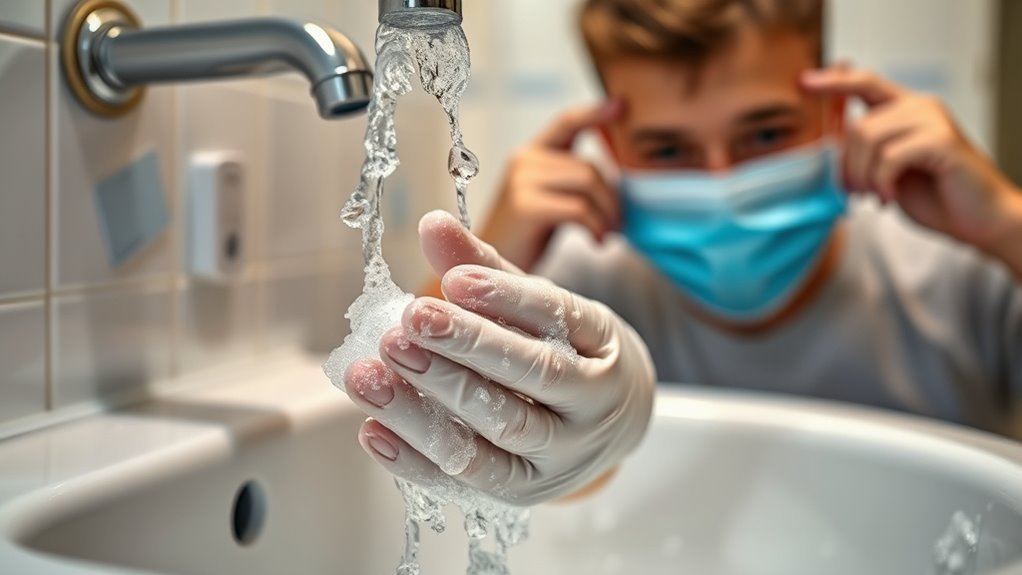

To prevent respiratory infections, you should practice good hand hygiene by washing your hands with soap for at least 20 seconds or using an alcohol-based sanitizer. Wearing masks properly covers your nose and mouth, acting as a barrier against airborne droplets. Combining these habits with other measures like vaccination and good ventilation creates a strong defense. If you keep these steps in mind, you’ll be better equipped to protect yourself and others from infections.

Get health and wellness essentials delivered free with Prime
- Fast, free delivery on millions of items
- Prime Video, Amazon Music and more included
- Member-only deals all year
Key Takeaways
- Regular handwashing with soap or sanitizer removes germs and reduces respiratory infection risk.
- Wearing masks traps airborne droplets, preventing the inhalation and spread of infectious particles.
- Combining hand hygiene and masks provides a layered defense against respiratory pathogens.
- Properly fitted masks and frequent hand cleaning are essential for effective prevention.
- Staying vaccinated enhances immunity and complements hygiene and mask use in preventing infections.
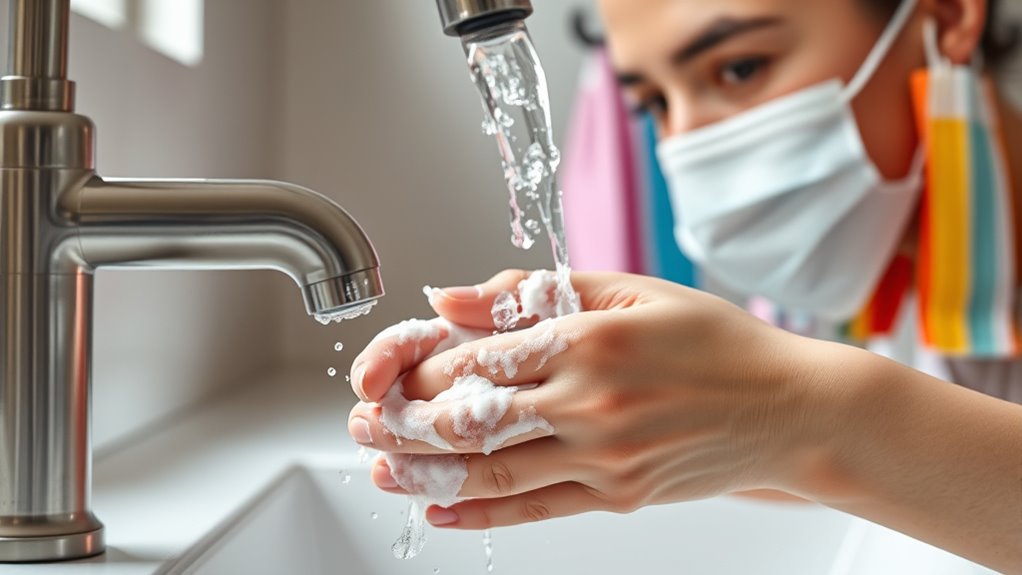
Have you ever wondered how simple habits can protect you from respiratory infections? It’s surprisingly effective to focus on basic practices like hand hygiene and wearing masks. Respiratory infections spread primarily through airborne transmission, meaning tiny droplets released when someone coughs, sneezes, or talks can carry viruses and bacteria right into your respiratory system. By understanding this, you realize how essential it is to break the chain of transmission through everyday actions. Hand hygiene is your first line of defense—regularly washing your hands with soap and water for at least 20 seconds or using alcohol-based hand sanitizer removes germs that you might pick up from surfaces or direct contact. This simple act greatly reduces your risk of infection, especially in public spaces or when touching shared objects.
Simple hand hygiene reduces infection risk by removing germs from surfaces and contact.
Wearing masks is another powerful strategy to prevent respiratory infections. Masks act as a barrier, trapping airborne droplets that contain infectious agents. When you wear a mask properly over your nose and mouth, you decrease the chance of inhaling contaminated particles and also prevent potentially infectious droplets from spreading to others. This is particularly important in crowded or enclosed environments where airborne transmission is more likely. The consistent use of masks, combined with physical distancing and good ventilation, creates a layered approach that makes it harder for respiratory pathogens to infect you.
Beyond personal habits, vaccination strategies play a crucial role in preventing respiratory infections. Vaccines stimulate your immune system to recognize and fight specific viruses—think of them as a training exercise for your immune defenses. Staying up-to-date with recommended vaccinations, such as influenza and COVID-19 vaccines, helps protect not only you but also those around you, especially vulnerable populations. Vaccination can reduce the severity and duration of illness if you do get infected, and it serves as an important public health tool to curb outbreaks caused by airborne transmission.
In addition, understanding the importance of airborne transmission helps reinforce why these preventative measures are so vital. Combining hand hygiene, mask-wearing, and vaccination strategies forms a thorough shield against respiratory infections. These simple, everyday habits are highly effective at reducing your risk, especially during flu seasons or pandemics. The more consistently you practice these measures, the better protected you’ll be. Remember, small actions add up—each time you wash your hands, wear a mask, or get vaccinated, you’re actively reducing the spread of infectious agents and safeguarding your health. It’s a proactive way to stay healthy and prevent respiratory infections from taking hold in your life.
antibacterial hand sanitizer gel
As an affiliate, we earn on qualifying purchases.
As an affiliate, we earn on qualifying purchases.
Frequently Asked Questions
How Effective Are Hand Sanitizers Compared to Soap and Water?
Hand sanitizer effectiveness varies; it’s usually effective against many germs when soap isn’t available, but soap vs sanitizer depends on the situation. Soap and water are better at removing dirt and certain germs like norovirus, while hand sanitizers with at least 60% alcohol quickly kill most bacteria and viruses. For thorough cleaning, especially after coughing or touching surfaces, soap and water are the best choice.
Can Masks Prevent All Types of Respiratory Infections?
Masks are like shields, but they can’t block every arrow. They considerably reduce the risk of many respiratory infections, yet mask limitations mean they don’t prevent all types. Infection variability depends on the pathogen, the mask’s fit, and how consistently you wear it. While masks are effective, combining them with hand hygiene and good ventilation offers the best protection against a wide range of respiratory illnesses.
How Often Should Masks Be Replaced During Use?
You should replace your mask whenever it becomes damp, soiled, or damaged, typically after about 4 to 6 hours of continuous use. The mask lifespan depends on its type—surgical masks usually need changing more frequently than cloth masks. For ideal protection, follow recommended replacement frequency guidelines, and avoid reusing single-use masks to prevent the spread of germs. Always dispose of masks properly after use.
Are There Specific Hand Hygiene Techniques for Children?
For child handwashing, you should teach kids to wash their hands thoroughly with soap and water for at least 20 seconds, especially after coughing, sneezing, or touching surfaces. Encourage pediatric hygiene by showing them proper techniques like scrubbing palms, backs of hands, and fingernails. Remind them to dry hands completely with a clean towel. Making handwashing fun can help your child develop good habits that reduce infection risks.
Do Masks Need to Be Worn Outdoors in Low-Risk Areas?
In low-risk outdoor areas, masks aren’t usually necessary, especially when you follow proper risk assessment strategies. Studies show that outdoor settings markedly reduce virus transmission compared to indoor spaces. Many health authorities now recommend relaxing outdoor mask policies when social distancing is maintained. Use risk assessment strategies to decide if masks are needed, considering factors like crowd size and activity level. Staying informed helps you protect yourself and others effectively.
As an affiliate, we earn on qualifying purchases.
Conclusion
By practicing good hand hygiene and wearing masks, you can substantially reduce your risk of respiratory infections. Remember, an ounce of prevention is worth a pound of cure, so don’t wait until it’s too late. Keep these habits steady, and you’ll stay a step ahead of germs. It’s better to be safe than sorry, so make these practices part of your daily routine. Protect yourself and others — your health depends on it.
As an affiliate, we earn on qualifying purchases.
As an affiliate, we earn on qualifying purchases.
Cold & flu season Picks
humidifiers
As an affiliate, we earn on qualifying purchases.