

While melanin provides some natural UV protection, it doesn’t block all UV rays or prevent skin damage. Darker skin tones can still develop sunburns, dark spots, and skin cancer, especially with prolonged exposure. That’s why it’s essential to wear broad-spectrum sunscreen, seek shade, and protect your skin with clothing. Understanding how melanin works helps you make better sun safety choices. If you want to learn more, keep exploring ways to keep your skin healthy and protected.

Get health and wellness essentials delivered free with Prime
- Fast, free delivery on millions of items
- Prime Video, Amazon Music and more included
- Member-only deals all year
Key Takeaways
- Melanin offers natural UV protection but does not eliminate the risk of UV damage or skin cancer in darker skin tones.
- Darker skin can develop sun damage signs like hyperpigmentation and dark spots, making sun protection essential.
- UV rays can penetrate all skin types, so using broad-spectrum sunscreen is crucial regardless of melanin levels.
- Protective measures like wearing clothing and seeking shade are vital for everyone, including those with darker skin.
- Regular skin checks help detect UV damage early, as signs may be less visible on darker skin.
broad spectrum sunscreen for dark skin
As an affiliate, we earn on qualifying purchases.
As an affiliate, we earn on qualifying purchases.
Understanding Melanin’s Role in Skin Protection

Understanding melanin’s role in skin protection is essential because it directly influences how your skin responds to UV exposure. Melanin production determines your skin pigmentation, which acts as a natural barrier against harmful ultraviolet rays. The more melanin you have, the darker your skin tone, and the better your skin can absorb and dissipate UV radiation. This process helps reduce the risk of UV damage, such as burns and DNA harm. Melanin works by absorbing UV rays before they penetrate deeper layers of your skin, providing a degree of protection that varies based on your pigmentation. Recognizing how melanin functions helps you appreciate why darker skin tones typically have a lower risk of sunburn but still require sun safety measures. Understanding melanin’s protective properties is key to appreciating the importance of sun safety for all skin types. Additionally, awareness of cultural variations in sun exposure can help tailor effective sun safety practices across diverse populations.
A better understanding of UV radiation effects underscores why protection is necessary regardless of skin tone, emphasizing that all skin types can be affected by UV damage over time.
UV protection clothing for sun safety
As an affiliate, we earn on qualifying purchases.
As an affiliate, we earn on qualifying purchases.
The Reality of UV Damage in Darker Skin

Even though darker skin contains more melanin that offers some natural protection, it doesn’t make you immune to UV damage. UV rays can penetrate your skin and cause harm, even with higher melanin protection. You might not notice sun damage right away, but over time, UV exposure can lead to skin aging, dark spots, and even skin cancer. Darker skin is less likely to develop sunburns, but that doesn’t mean UV rays aren’t affecting your skin on a cellular level. It’s essential to remember that UV damage accumulates, regardless of skin tone. Research on UV effects shows that protective measures are crucial for all skin types. Protecting your skin with sunscreen, seeking shade, and wearing protective clothing remain important steps to minimize the impact of UV rays and maintain long-term skin health. Additionally, natural language processing (NLP) techniques are being used to analyze skin health data, helping to better understand UV effects across different skin types. Recognizing melanin’s protective role can help you make informed decisions about sun safety practices.
SPF 50 sunscreen for melanin-rich skin
As an affiliate, we earn on qualifying purchases.
As an affiliate, we earn on qualifying purchases.
Common Myths About Sun Exposure and Darker Skin

Many people believe that darker skin doesn’t need sun protection because it’s less prone to sunburns, but this is a common myth. Myth busting reveals that melanin offers some protection, but it doesn’t prevent UV damage entirely. Skin myths like “you can’t get skin cancer” or “dark skin doesn’t age” are false and dangerous. Additionally, proper sun protection is essential for everyone, regardless of skin tone. Research shows that digital literacy and awareness are key to dispelling misconceptions about skin health and sun safety. Remember:
Dark skin offers some protection but still needs sun safety measures to prevent damage and skin cancer.
- Darker skin can still develop skin cancer, often diagnosed later.
- UV rays contribute to skin aging regardless of melanin levels.
- Sun damage isn’t always visible on dark skin.
- SPF is essential for everyone, regardless of skin tone.
Understanding these skin myths helps you make informed decisions about sun safety and protect your skin effectively.
sun protection hats for darker skin tones
As an affiliate, we earn on qualifying purchases.
As an affiliate, we earn on qualifying purchases.
Recognizing Sun Damage Symptoms in Darker Skin Tones

You might notice subtle color changes on your skin that don’t match your usual tone. Uneven texture or rough patches can also signal sun damage, even if you don’t see obvious burns. Paying attention to these signs helps you catch damage early and take steps to protect your skin. Understanding ambient sounds and how they reflect environmental conditions can also help you identify changes in your surroundings that may contribute to UV exposure. Additionally, being aware of your skin’s melanin content can provide insight into your skin’s unique response to sun exposure. Recognizing how melanin protects against UV rays can help you better understand your skin’s natural defenses and limitations.
Subtle Color Changes
While the changes may be subtle, noticing slight shifts in skin tone is crucial for identifying sun damage on darker skin. Hyperpigmentation often appears as small, dark patches or spots that may be mistaken for regular skin tone variations. Pay close attention to subtle color changes, such as areas that look darker or uneven, especially after sun exposure. These signs can indicate early sun damage before more obvious symptoms develop. To spot these changes:
- Slight darkening of patches or spots
- Unexplained hyperpigmentation
- Areas that appear uneven or mottled
- Persistent discoloration after healing from other skin issues
Recognizing these subtle color changes helps you catch sun damage early and take protective action. Staying vigilant ensures you maintain healthy, protected skin despite melanin’s natural defenses.
Uneven Skin Texture
Uneven skin texture is a common sign of sun damage that can be subtle yet significant, especially in darker skin tones. You might notice rough patches, enlarged pores, or a dull appearance that signals underlying hyperpigmentation concerns. These changes often result from UV exposure breaking down collagen and damaging skin cells. To address this, maintaining effective sun protection routines is essential—wear broad-spectrum sunscreen daily, seek shade, and avoid peak sun hours. Consistent sun protection helps prevent further deterioration and promotes smoother skin. Additionally, regular cleaning and proper skincare can help manage surface irregularities caused by sun damage air purifier maintenance, ensuring a healthier skin environment. If you notice persistent uneven texture, consider consulting a dermatologist for targeted treatments. Recognizing these early signs enables you to act promptly, reducing long-term damage and supporting healthier, more even skin.
Effective Sun Safety Practices for Darker Skin
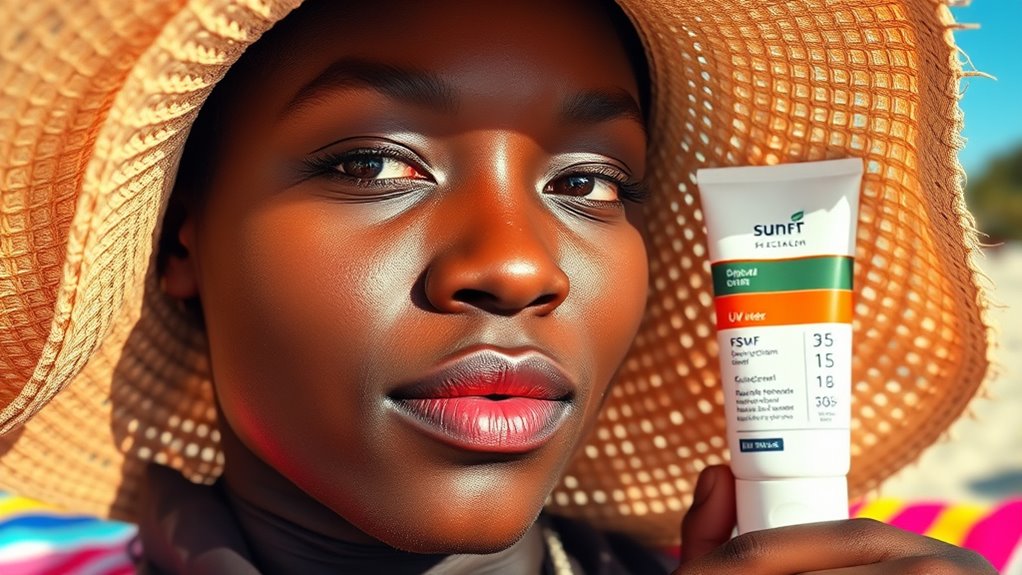
Darker skin tones naturally contain more melanin, which offers some protection against UV rays, but it doesn’t eliminate the risk of sun damage. To stay safe, focus on effective sun protection practices. Always seek shade during peak hours and wear protective clothing, like long sleeves and wide-brimmed hats. Regularly applying broad-spectrum sunscreen helps, even if your skin appears darker. Keep your skin hydrated by drinking plenty of water and using moisturizers to maintain barrier health. Additionally, avoid tanning beds and limit sun exposure to prevent long-term damage. Remember, consistent sun safety habits are essential for everyone, regardless of skin tone, to reduce risks like premature aging and skin cancer. Staying vigilant will help you enjoy the sun safely. Understanding melanin’s role can further enhance your awareness of sun protection. Recognizing the protective effects of melanin can guide better sun safety choices, especially in areas with high UV exposure.
Choosing the Right Sunscreen for Your Skin Type

Choosing the right sunscreen depends on your skin type and personal preferences. You might prefer mineral formulas for their gentle protection or chemical options for a lighter feel, depending on your needs. Considering SPF levels and whether tinted or clear formulas suit your skin tone can make a big difference in your sun safety routine. For those with darker skin tones, selecting sunscreens that also address UV Damage can provide additional protection against melanin-related vulnerabilities. Additionally, incorporating proper application techniques ensures optimal coverage and effectiveness. Staying informed about AI-driven safety advancements can help you make more informed choices about sun protection products.
Mineral vs. Chemical Formulas
When selecting a sunscreen, understanding the difference between mineral and chemical formulations is essential for finding the right protection for your skin type. Mineral filters, made of zinc oxide or titanium dioxide, sit on your skin’s surface and reflect UV rays. Chemical filters, on the other hand, absorb UV radiation through ingredients like avobenzone or oxybenzone.
Consider these points:
- Mineral formulas are often gentler for sensitive skin and less likely to cause irritation.
- Chemical formulas tend to be lighter and easier to apply without leaving a white cast.
- Mineral sunscreens provide broad-spectrum protection immediately after application.
- Chemical sunscreens may need to be applied 15 minutes before sun exposure for full effectiveness.
- Eye Patch Benefits can be incorporated into your skincare routine to complement sun protection and address specific skin concerns around the eyes.
- Understanding UV protection mechanisms can help you choose the most effective sunscreen for your needs.
Choosing the right formula depends on your skin’s sensitivity and preferences.
SPF and Skin Type
Selecting the right sunscreen depends on your skin type and its specific needs. For darker skin tones, prioritize products that enhance melanin protection and support your skin’s natural UV resilience. Look for broad-spectrum sunscreens with an SPF suited to your activity level and exposure risk. While darker skin has more melanin, it doesn’t eliminate UV damage, so a higher SPF can help prevent hyperpigmentation and long-term harm. People with more sensitive or acne-prone skin should choose formulas labeled non-comedogenic and suitable for their skin type. For maximum protection, reapply sunscreen every two hours and after sweating or swimming. Matching your sunscreen to your skin’s specific needs ensures you maintain UV resilience and reduce the risk of sun damage effectively.
Tinted vs. Clear Options
Have you ever wondered whether tinted or clear sunscreens suit your skin best? Tinted sunscreens provide extra coverage and may contain antioxidants, offering added skin benefits. Clear sunscreens are lightweight, invisible on the skin, and ideal for those who prefer a natural look. Consider these points:
- Tinted sunscreen can reduce the appearance of uneven skin tone while protecting against UV rays.
- Clear sunscreen offers a transparent finish, perfect for daily wear under makeup or alone.
- Tinted options may contain pigments that help counteract dullness, especially on darker skin tones.
- Both types should have broad-spectrum protection, but your choice depends on your preference for coverage and finish.
Choosing the right sunscreen involves considering your skin’s needs and how you want it to feel and look throughout the day.
Long-Term Skin Care and Monitoring After Sun Exposure

After spending time in the sun, paying attention to your skin’s long-term health is essential, especially for darker skin tones that may not show immediate damage. Don’t fall for sun protection myths that suggest darker skin is immune to UV damage; regular skin monitoring remains vital. Check your skin for changes, new spots, or irregularities, and schedule routine dermatology visits. Maintaining a consistent skincare routine with moisturizers and sunscreen helps preserve your skin’s health over time. Remember, UV damage accumulates, so ongoing vigilance is key. While your skin may not burn easily, long-term exposure can still lead to issues like hyperpigmentation or skin cancer. Staying informed and proactive ensures your skin stays healthy and protected for years to come.
Frequently Asked Questions
How Does Melanin Affect the Timing of Sun Damage Signs?
You might wonder how melanin affects the timing of sun damage signs. Melanin provides a natural delay in damage onset because it absorbs UV rays, reducing immediate harm. This melanin delay means you may not see early signs of sun damage, like redness or sunburn, as quickly as those with less melanin. However, it doesn’t prevent damage entirely, so continued sun exposure can still cause long-term harm.
Are Certain Skin Conditions More Common in Darker Skin After Sun Exposure?
You might notice that certain skin conditions, like hyperpigmentation, are more common in darker skin after sun exposure. While your skin’s melanin offers some protection, it doesn’t eliminate hyperpigmentation risks or skin cancer prevalence. It’s essential to stay vigilant, use sun protection, and seek dermatological advice if you notice changes. Regular skin checks help catch issues early, regardless of your skin tone.
Can UV Rays Penetrate Clothing or Window Glass Effectively?
When wondering if UV rays penetrate clothing UV blocking or window glass transmission, consider this: clothing with tight weaves offers better protection, but no fabric blocks all rays. Window glass transmits some UV rays, especially UVA, which can still cause damage. You can’t completely shield yourself just by clothing or windows. For full protection, add sunscreen and UV-protective accessories to your routine, especially during peak sun hours.
Does Sunscreen Need Reapplication on Cloudy Days for Darker Skin?
On cloudy days, you still need to reapply sunscreen because cloud cover protection isn’t complete. UV rays can penetrate clouds and reflect off surfaces, reducing sunscreen efficacy. Since your darker skin tone offers some natural protection, you might think you’re safe, but UV exposure still occurs. Reapplying sunscreen every two hours guarantees continuous protection, especially if you’re outdoors for extended periods, keeping your skin safe from hidden UV damage.
Are There Specific Dietary Factors That Enhance Sun Protection in Darker Skin?
Did you know that eating antioxidant-rich foods can help protect your skin from UV damage? While darker skin offers some natural protection, maintaining vitamin D levels is vital. Consuming foods like berries, nuts, and leafy greens boosts antioxidants, supporting your skin’s defense. Also, make sure adequate vitamin D intake through diet or supplements, especially if you spend a lot of time indoors. These strategies complement sun safety practices effectively.
Conclusion
Remember, darker skin isn’t invincible against UV damage. Your melanin offers some protection, but it’s not a shield that blocks everything. So, are you willing to risk unseen damage that could affect your skin’s health long-term? Prioritize sun safety, select the right products, and stay vigilant. Your skin deserves the same care and attention as anyone else’s—because protecting it today ensures its glow for years to come.
Fall Picks
fall essentials
As an affiliate, we earn on qualifying purchases.