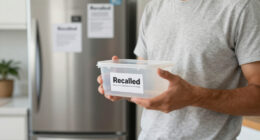

TL;DR
Louisiana officials warn residents to discard or return certain eggs after a recall involving over 1.5 million dozen eggs due to Salmonella risk. Seven cases, including three hospitalizations, have been linked to the outbreak. No deaths reported.
The Louisiana Department of Health has issued a warning to residents to discard or return specific shell eggs after Midwest Poultry Services, L.P., recalled more than 1.5 million dozen eggs due to possible Salmonella contamination. The recall has been linked to at least seven illnesses in Louisiana, including three hospitalizations, though no deaths have been reported. Recalled eggs tied to 98 salmonella cases across several states, including 73 in Texas. This recall impacts eggs sold under several brand names at local stores.
The eggs involved in the recall were sold at Kroger stores, Brookshire Grocery stores, Super 1 Foods, and Spring Market in Louisiana, and possibly other outlets. The affected products include cartons with codes P-1950 or 0840962, with Julian dates between 157 and 184, produced in Texas and distributed from June 6 to July 3. Additionally, cartons with sell-by or best-by dates between July 20 and August 17 are included. The eggs are available under brands such as Kroger, Simple Truth, Brookshire’s, Cal-Maine, and Country Morning.
Health officials advise consumers to avoid eating the recalled eggs and to thoroughly wash any surfaces or items that may have come into contact with them. Symptoms of Salmonella infection include diarrhea, fever, and stomach cramps, with vulnerable groups such as children under 5, seniors over 65, and immunocompromised individuals potentially experiencing severe illness. For more on recent outbreaks, see recalled eggs and Salmonella cases. Anyone experiencing symptoms should seek medical care promptly.
Nearly 1.6 Million Dozen Eggs Recalled Over Salmonella Risk
Louisiana residents are being warned to discard or return specific shell eggs associated with Midwest Poultry Services. The recalled products reached major grocery chains under several brand names.
How to identify the recalled eggs
Match the brand, plant or carton code, date range and retailer. Consumers should treat a matching carton as recalled and avoid eating or cooking with its eggs.
P-1950
One of the identifying codes printed on affected cartons.
0840962
Check the carton carefully for this additional identifying code.
157–184
Affected production dates fall within this numbered range.
Jul 20–Aug 17
Included sell-by or best-by dates may fall within this window.
Produced in Texas
The identified eggs were produced in Texas before distribution.
Return or discard
Do not taste-test eggs to determine whether they are safe.
Products and retailers to check
The recall includes multiple private-label and national brands. Distribution may extend beyond the specifically named Louisiana retailers.
| Brand or channel | Recall relevance | Where consumers may find it | Recommended check |
|---|---|---|---|
| Kroger | ✓ Included | Kroger stores | Verify carton code and date |
| Simple Truth | ✓ Included | Retail grocery distribution | Verify carton code and date |
| Brookshire’s | ✓ Included | Brookshire Grocery stores | Verify carton code and date |
| Cal-Maine | ✓ Included | Multiple retail outlets | Verify carton code and date |
| Country Morning | ✓ Included | Multiple retail outlets | Verify carton code and date |
| Super 1 Foods / Spring Market | ~ Check stock | Named Louisiana retailers | Review store notices and carton |
| Non-matching products | ✗ Not identified | Any retailer | Continue following official updates |
What to do with eggs at home
A short, careful response reduces the chance of eating contaminated eggs or spreading bacteria to hands, counters and kitchen equipment.
Inspect the carton
Compare its code, Julian date, date label and brand with the recall details.
Do not consume
Do not eat, bake with or otherwise cook the recalled eggs.
Discard or return
Dispose of the eggs safely or return them according to the retailer’s notice.
Clean contact areas
Wash utensils, shelves, containers and surfaces with hot, soapy water.
Know the warning signs of Salmonella infection
Common symptoms include diarrhea, fever and stomach cramps. More serious illness may involve prolonged diarrhea, bloody stool, repeated vomiting, dehydration or a high fever.
“Anyone experiencing diarrhea with a fever higher than 102°F or other severe symptoms should seek medical attention immediately.”
Reported cases in context
The figures below compare reported outbreak counts cited in the available recall information. They show scale, not individual risk or a complete epidemiological breakdown.
Monitoring continues: The full distribution scope and the possibility of additional affected brands or batches may remain under investigation. Follow health department and retailer notices for updates.
Quick answers for consumers
Can cooking make a recalled egg safe?
Consumers are advised not to eat or cook with recalled eggs. Return or discard them instead.
What should I watch for?
Watch for diarrhea, fever and stomach cramps, along with signs of dehydration or worsening illness.
When should I seek help?
Contact a medical professional promptly for severe symptoms, bloody stool, persistent illness or fever above 102°F.
How can I track the recall?
Follow official health department announcements, retailer notices and any expanded product lists.
Health and Consumer Safety Implications of the Recall
This recall highlights ongoing concerns about food safety and the risks of Salmonella in shell eggs. The illnesses linked to the contaminated eggs underscore the importance of proper handling and awareness among consumers. The recall also prompts stores and producers to review safety protocols to prevent future outbreaks, protecting public health and maintaining consumer confidence.
As an affiliate, we earn on qualifying purchases.
Recent Egg Recall and Salmonella Outbreak in Louisiana
In July 2023, Midwest Poultry Services recalled over 1.5 million dozen eggs after reports of Salmonella contamination. The recall followed investigations into linked illnesses, with seven confirmed cases in Louisiana. The eggs were distributed across multiple stores, including Kroger and Brookshire Grocery outlets, and sold under various brands. Historically, Salmonella outbreaks linked to eggs have prompted recalls and increased regulatory scrutiny, emphasizing the ongoing challenge of ensuring food safety in poultry production.
“Anyone experiencing diarrhea with a fever higher than 102°F or other severe symptoms should seek medical attention immediately.”
— Health officials
As an affiliate, we earn on qualifying purchases.
Extent of Distribution and Additional Affected Products
It is not yet clear whether all affected eggs have been identified or if additional brands or stores are involved. The full scope of the distribution and whether other batches may be contaminated remain under investigation by health authorities.
egg storage containers with date labels
As an affiliate, we earn on qualifying purchases.
As an affiliate, we earn on qualifying purchases.
Expected Follow-Up Actions and Ongoing Monitoring
Health officials are expected to continue monitoring for new cases linked to the recalled eggs and may expand the recall if further contamination is found. Consumers are advised to stay informed through official updates and to report any symptoms consistent with Salmonella infection. Retailers and producers are likely to review safety protocols to prevent future outbreaks.
As an affiliate, we earn on qualifying purchases.
Key Questions
Which brands and products are affected by the recall?
The recall includes eggs sold under Kroger, Simple Truth, Brookshire’s, Cal-Maine, and Country Morning brands, with cartons bearing codes P-1950 or 0840962, Julian dates 157-184, produced in Texas and distributed between June 6 and July 3, and sell-by or best-by dates between July 20 and August 17.
What symptoms should I watch for if I suspect Salmonella infection?
Symptoms include diarrhea, fever, and stomach cramps. Severe cases may involve diarrhea lasting more than two days, bloody stool, vomiting, dehydration, and high fever. Seek medical attention if symptoms worsen or do not improve.
What should I do if I have recalled eggs at home?
Consumers should discard the eggs and wash any surfaces or utensils that may have come into contact with them using hot, soapy water. Do not eat the eggs or use them in cooking.
Are there any reported deaths related to this recall?
No deaths have been reported so far in connection with this egg recall.
How can I stay updated on further developments?
Follow official health department updates and store notices for new information regarding the recall and safety recommendations.
Source: Google Trends