
TL;DR

Get health and wellness essentials delivered free — and shop member deals
- Fast, free delivery on millions of items
- Access to Prime Big Deal Days deals on October 6–7
- Prime Video, Amazon Music and more included
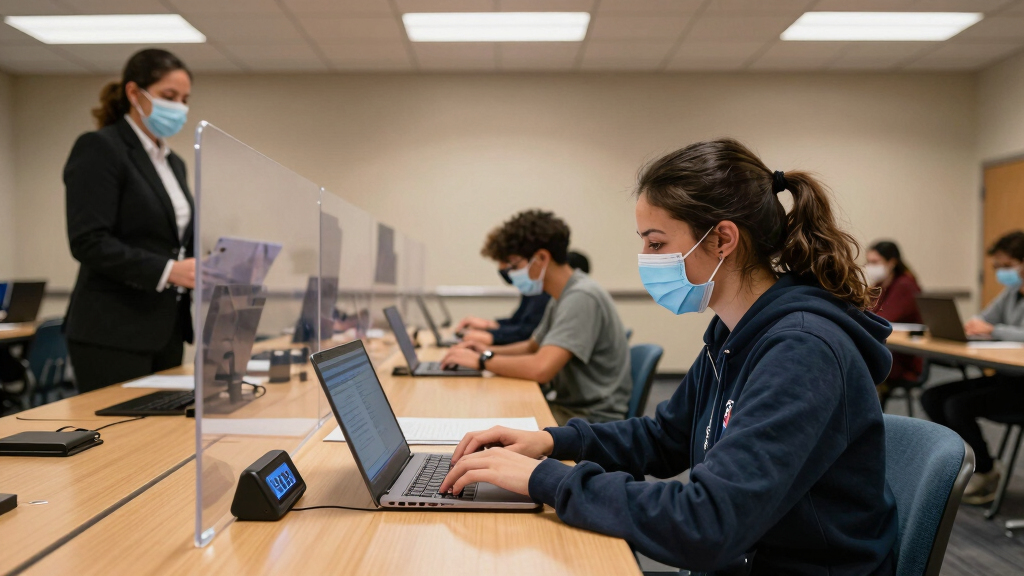
Princeton University will mandate proctoring for all in-person exams beginning July 1, ending a 133-year tradition of non-proctored testing. The decision aims to address concerns over academic integrity, especially related to AI and electronic devices.
Princeton University will begin proctoring all in-person exams starting July 1, ending a 133-year-old tradition of non-proctored testing, following a unanimous faculty vote. The move responds to rising concerns over academic integrity, including the use of AI tools and electronic devices.
The faculty passed a proposal requiring instructor supervision during exams, with only one dissenting vote. The policy mandates that instructors remain present in exam rooms as witnesses but do not interfere with students unless a violation is suspected. Reports of misconduct will be submitted to the Honor Committee, which will continue to adjudicate violations.
This change is the most significant to Princeton’s honor system since its inception in 1893, when the faculty adopted a model based on individual accountability and student pledges. Historically, proctoring was explicitly banned in university rules until this week.
The decision was driven by concerns over the proliferation of AI and personal electronic devices that make cheating harder to detect and report. It also addresses the reluctance among students to report peers directly, citing fears of doxxing and shaming, with anonymous reporting increasing in recent years.
Why It Matters
This policy shift marks a fundamental change in Princeton’s approach to academic integrity, potentially altering the trust-based culture that has characterized the university for over a century. It could influence other institutions considering similar measures amid rising concerns over AI-enabled cheating and student reporting dynamics.
While proponents argue that proctoring will improve detection and accountability, critics fear it may erode the trust and honor system that Princeton has relied on since 1893. The change could also impact student and faculty perceptions of academic integrity and community trust.
digital proctoring software for exams
As an affiliate, we earn on qualifying purchases.
As an affiliate, we earn on qualifying purchases.
Background
Princeton’s honor system was established in 1893, emphasizing student responsibility and pledges against dishonesty. Proctoring was explicitly banned in university rules for over a century. Recent concerns over AI tools, electronic devices, and declining peer reporting prompted discussions leading to this policy change.
In November 2023, Princeton mandated proctoring for specific exams, including make-up and travel exams, signaling a shift toward more oversight. The current move extends this requirement to all in-person exams, representing a comprehensive overhaul of exam procedures.
Student surveys show mixed opinions: some favor proctoring for fairness, while others worry about trust and privacy. The Honor Committee has long debated adding proctors as witnesses, citing increased exam misconduct cases and technological challenges.
“Instructor supervision will serve as a witness to what happens during exams, but they will not interfere unless a violation is suspected.”
— Dean Michael Gordin
“The time has come to implement proctoring to address new challenges to academic integrity, including generative AI and increased misconduct cases.”
— Honor Committee Chair Emerita Nadia Makuc ’26
“Proctoring will likely change the evidence presented in Honor Committee hearings, but the core rules and honor code remain unchanged.”
— William Aepli ’26
As an affiliate, we earn on qualifying purchases.
What Remains Unclear
Details remain unclear regarding the specific proctor-to-student ratios, monitoring practices, and how the policy will be enforced in practice. It is also uncertain how students and faculty will adapt to the new oversight measures, and whether there will be future modifications based on implementation feedback.
As an affiliate, we earn on qualifying purchases.
What’s Next
Princeton will finalize implementation guidelines, including monitoring procedures and staffing ratios, before July 1. The university will also monitor the policy’s impact on academic integrity, trust, and student behavior, with potential adjustments based on feedback from faculty and students.
As an affiliate, we earn on qualifying purchases.
Key Questions
Why is Princeton changing its exam policies after so many years?
The university cites rising concerns over academic misconduct, especially related to AI tools and electronic devices, as the primary reason for the change.
Will proctoring affect student privacy or trust?
Some students and faculty worry that increased oversight could undermine the trust-based culture of Princeton, though officials emphasize the role of instructors as neutral witnesses rather than enforcers.
How will the new proctoring be implemented in practice?
Details such as proctor-to-student ratios and monitoring procedures are still being finalized, with consultation from faculty and student representatives before the policy takes effect.
Will this change the Honor Code itself?
No, the core Honor Code and its adjudication procedures will remain intact; only the Rules and Procedures of the Faculty will be amended to include proctoring requirements.
Fall Picks
fall essentials
As an affiliate, we earn on qualifying purchases.