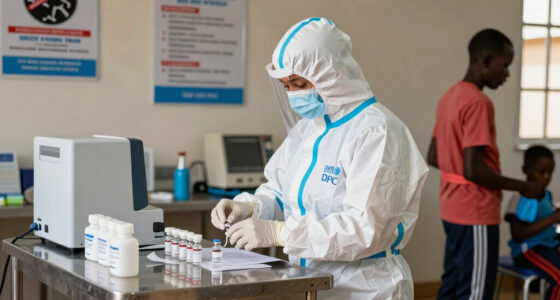
![[World Report] Lebanon's health system: a silent casualty of war](https://healthdailyguide.com/wp-content/uploads/2026/05/world-report-lebanon-s-health-system-a-silent-casualty-of-war-featured.jpg)
![[World Report] “We don’t want it to happen to others”: suicide in young Māori](https://healthdailyguide.com/wp-content/uploads/2026/05/world-report-we-don-t-want-it-to-happen-to-others-suicide-in-young-m-ori-featured-200x110.jpg)
TL;DR
Lebanon’s healthcare system is collapsing under the strain of war, economic crisis, and political instability. Hospitals face shortages, and access to care is declining. The situation poses a serious threat to public health.
Lebanon’s healthcare system is facing a severe collapse, with hospitals shutting down, shortages of medical supplies, and reduced access to care, according to recent reports from The Lancet. This deterioration directly threatens public health amid ongoing political and economic turmoil.
Recent investigations and reports reveal that Lebanon’s hospitals are operating at reduced capacity, with many facilities unable to provide essential services due to shortages of medicines, equipment, and staff. The economic crisis, now in its third year, has led to a significant devaluation of the Lebanese pound, making imported medical supplies prohibitively expensive. Many healthcare workers have emigrated or left the sector due to poor wages and working conditions, further straining the system.
The COVID-19 pandemic exacerbated existing vulnerabilities, with hospitals overwhelmed and testing and vaccination efforts hampered. The situation has worsened since the August 2020 Beirut port explosion, which damaged key healthcare infrastructure. According to the report, over 70% of healthcare facilities report shortages of essential medicines, and many clinics have closed or reduced services. The World Health Organization has warned that unless urgent international aid and reforms occur, the country’s health system could face complete collapse.
Why It Matters
This matters because Lebanon’s deteriorating health system jeopardizes the lives of millions, especially vulnerable populations such as refugees, the elderly, and chronically ill patients. A collapse could lead to increased mortality from preventable diseases, maternal health issues, and untreated chronic conditions. The crisis also highlights broader issues of governance, economic stability, and regional stability, with potential spillover effects on neighboring countries.
medical supplies kit
As an affiliate, we earn on qualifying purchases.
As an affiliate, we earn on qualifying purchases.
Background
Lebanon has faced a series of crises over the past decade, including a devastating civil war ending in 1990, followed by persistent political instability, economic collapse, and regional conflicts. The 2020 Beirut port explosion caused extensive damage to the city’s infrastructure, including healthcare facilities. The ongoing economic crisis has led to hyperinflation and currency devaluation, severely impacting public services. International aid efforts have been inconsistent, and domestic governance remains weak, complicating efforts to reform and rebuild the health sector.
“The Lebanese healthcare system is on the brink of collapse. Without urgent international support and structural reforms, many facilities will be forced to close permanently.”
— Dr. Lina Khoury, WHO Lebanon representative
“Many of us have left the country or the medical field. Those who remain are working under impossible conditions, trying to keep the system afloat.”
— Dr. Fadi Abou Samra, Lebanese physician
emergency medical equipment
As an affiliate, we earn on qualifying purchases.
As an affiliate, we earn on qualifying purchases.
What Remains Unclear
It remains unclear how much international aid will be mobilized in the short term, and whether reforms will be implemented effectively to stabilize the health system. The full extent of hospital closures and patient outcomes is still emerging, and political developments could influence future aid and policy responses.
portable oxygen concentrator
As an affiliate, we earn on qualifying purchases.
As an affiliate, we earn on qualifying purchases.
What’s Next
Next steps include increased international aid efforts, potential reforms in healthcare governance, and monitoring of hospital capacity and patient outcomes. The Lebanese government and international partners are expected to negotiate aid packages, but political stability remains uncertain.
first aid kit for hospitals
As an affiliate, we earn on qualifying purchases.
As an affiliate, we earn on qualifying purchases.
Key Questions
How bad is the current state of Lebanon’s healthcare system?
Many hospitals are operating at reduced capacity or have closed, with shortages of medicines, supplies, and staff, putting millions of lives at risk.
What caused the collapse of Lebanon’s health system?
The combination of ongoing war, economic collapse, political instability, the COVID-19 pandemic, and the Beirut port explosion has critically weakened the healthcare infrastructure.
What is being done to address the crisis?
International aid agencies are providing support, but reforms and increased funding are needed. The Lebanese government’s response is hampered by political instability and economic challenges.
Who is most affected by this healthcare crisis?
Vulnerable populations such as refugees, the elderly, and patients with chronic illnesses are most at risk due to reduced access to care.