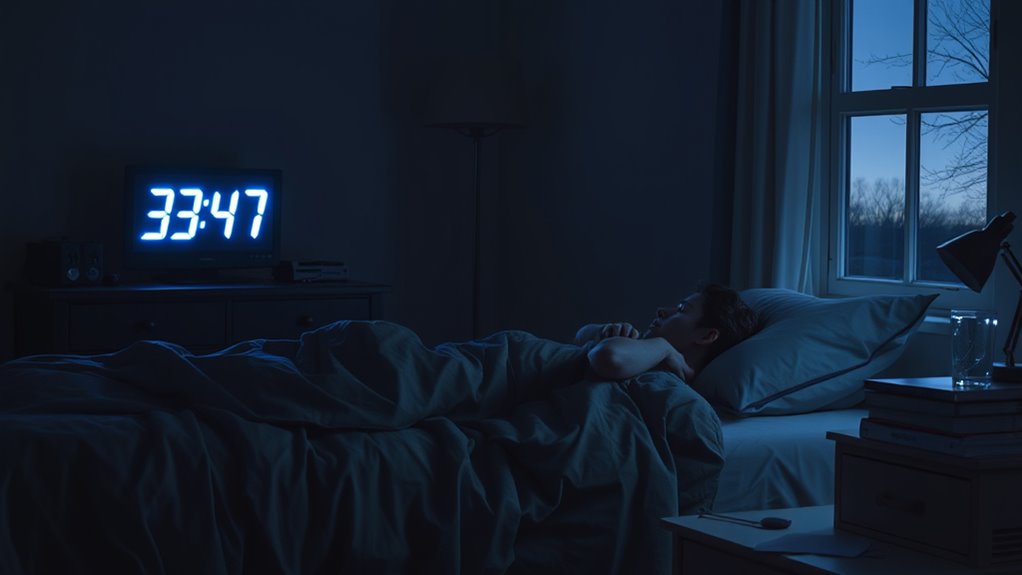

Insomnia often results from a mix of behavioral, environmental, and psychological factors like stress, poor sleep habits, or an uncomfortable bedroom. Evidence-based treatments such as cognitive behavioral therapy for insomnia (CBT-I) directly address these causes by reshaping negative thoughts, improving sleep routines, and creating a better sleep environment. These approaches can lead to lasting relief without medication. To find out how you can break free from insomnia, explore effective strategies proven to restore healthy sleep patterns.

Get health and wellness essentials delivered free with Prime
- Fast, free delivery on millions of items
- Prime Video, Amazon Music and more included
- Member-only deals all year
Key Takeaways
- Common causes include stress, poor sleep habits, medical conditions, medications, and environmental disruptions.
- Cognitive Behavioral Therapy for Insomnia (CBT-I) is a proven, effective treatment addressing thoughts and behaviors affecting sleep.
- Sleep hygiene practices, such as regular schedules and a calming environment, support better sleep and reduce insomnia symptoms.
- Behavioral strategies like sleep restriction and stimulus control help reset sleep patterns and improve sleep quality.
- Addressing underlying medical or psychological issues is essential for comprehensive, evidence-based insomnia treatment.

Have you ever struggled to fall asleep even when you’re exhausted? That frustration is common among people with insomnia. One of the most effective ways to address this issue starts with improving your sleep hygiene. Sleep hygiene involves simple habits and environmental factors that promote better sleep. It means establishing a consistent sleep schedule—going to bed and waking up at the same time every day—to regulate your internal clock. Avoid caffeine, nicotine, and heavy meals close to bedtime, as these can interfere with falling asleep. Make your bedroom a calming sanctuary: keep it cool, dark, and quiet, and reserve your bed for sleep and intimacy only. Reducing screen time before bed is also essential since blue light from phones and computers suppresses melatonin, the hormone that helps you feel sleepy. Developing a relaxing bedtime routine, like reading or taking a warm bath, signals your body that it’s time to wind down. These habits might seem simple, but they can greatly improve your ability to fall asleep and stay asleep through the night. Additionally, ensuring your sleep environment is free from distractions can further enhance sleep quality.
In addition to sleep hygiene, cognitive behavioral therapy for insomnia (CBT-I) is a highly effective treatment backed by research. Unlike medications, which may provide temporary relief but often come with side effects, CBT-I targets the underlying thoughts and behaviors contributing to insomnia. During therapy sessions, you learn to identify and challenge negative thoughts about sleep that create anxiety and perpetuate the cycle of insomnia. For instance, believing that you must get eight hours of sleep or that a single restless night means you’ll be tired forever can increase stress, making sleep even harder to achieve. CBT-I also includes behavioral strategies like sleep restriction, which involves limiting the time you spend in bed to match your actual sleep time, gradually increasing it as your sleep improves. This helps reset your body’s sleep-wake cycle and reduces the frustration of tossing and turning. Sleep restriction, combined with stimulus control techniques—such as only going to bed when sleepy and leaving the bed if you can’t fall asleep after 20 minutes—reinforces healthy sleep habits. Over time, CBT-I rewires your brain’s associations with sleep, making it easier to fall asleep naturally and stay asleep longer. Because it’s a structured, evidence-based approach, many people find lasting relief from insomnia through CBT-I without relying on medication.
As an affiliate, we earn on qualifying purchases.
Frequently Asked Questions
Can Insomnia Be a Symptom of Underlying Health Conditions?
Yes, insomnia can be a symptom of underlying conditions. You should consider underlying conditions like anxiety, depression, or medical issues, which may cause sleep disruptions. It’s important to differentiate insomnia from other symptoms of these conditions, as treatment varies. If your sleep problems persist, consult a healthcare professional to explore possible underlying health issues and receive appropriate diagnosis and treatment to improve your sleep quality.
How Do Medications Compare to Natural Remedies for Insomnia?
Sure, medications might promise quick sleep, but watch out for those pesky side effects—like grogginess or dependency. Natural remedies, on the other hand, often boast better efficacy with fewer risks, though they might take longer to work. So, if you prefer a safer route, you’ll probably find natural options more appealing. Just remember, consistency is key, and sometimes patience pays off better than a pill.
Are There Specific Foods That Can Help or Worsen Insomnia?
Certain sleep inducing foods, like cherries, almonds, and warm milk, can help you fall asleep faster by boosting melatonin and magnesium levels. Conversely, sleep worsening foods, such as caffeine, spicy dishes, and heavy meals close to bedtime, can disrupt your sleep. To improve your rest, focus on eating sleep inducing foods and avoid sleep worsening foods before bed. Small dietary changes can make a significant difference in your sleep quality.
What Are the Long-Term Effects of Chronic Insomnia?
Chronic insomnia can disrupt your sleep cycle, leading to persistent fatigue and difficulty concentrating. Over time, it alters brain activity, increasing the risk of mental health issues like anxiety and depression. You might also experience weakened immune function and higher chances of cardiovascular problems. Long-term sleep problems can profoundly impact your overall health and quality of life, making it essential to seek effective treatment to restore healthy sleep patterns.
Can Exercise Improve Sleep Quality in Insomnia Sufferers?
Think of your sleep as a delicate garden needing careful tending. Exercise benefits your sleep regulation, acting like sunlight that helps plants flourish. Regular activity, especially aerobic workouts, can improve sleep quality by reducing anxiety and tire your body in a healthy way. So, yes, incorporating exercise into your routine can be a powerful tool to break the cycle of insomnia and nurture restful nights.
As an affiliate, we earn on qualifying purchases.
Conclusion
Remember, a good night’s sleep is worth its weight in gold. By understanding the causes of insomnia and trying evidence-based treatments like good sleep hygiene, cognitive behavioral therapy, or medication when needed, you can regain restful nights. Don’t forget, Rome wasn’t built in a day—improving your sleep takes time and patience. Stick with it, stay consistent, and you’ll find that later, you’ll thank yourself for prioritizing your sleep health.
As an affiliate, we earn on qualifying purchases.
As an affiliate, we earn on qualifying purchases.
Fall Picks
fall essentials
As an affiliate, we earn on qualifying purchases.