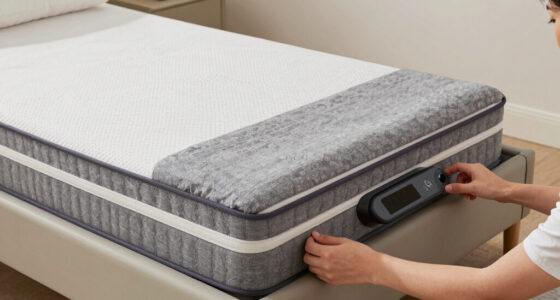
Orthosomnia happens when your obsession with perfect sleep causes anxiety and disrupts rest. Relying too much on sleep tracking devices can reinforce false beliefs about your sleep quality, leading you to worry unnecessarily about minor fluctuations. This obsessive monitoring can make you change your habits in unhelpful ways, increasing stress and making sleep worse. If you keep exploring, you’ll discover how to manage these concerns and improve your sleep naturally.
Play games included with Prime
Start a Prime free trial and play with Amazon Luna on your devices.
As an affiliate, we earn on qualifying purchases.
Key Takeaways
- Orthosomnia is a sleep disorder driven by obsession with achieving perfect sleep, often fueled by inaccurate sleep tracking devices.
- Excessive monitoring and reliance on device data can increase sleep anxiety and disrupt natural sleep patterns.
- Focusing on sleep metrics rather than feelings may lead to unnecessary behavioral changes and worsened sleep quality.
- Accepting normal sleep fluctuations and trusting one’s perception helps reduce obsession and improve overall rest.
- Using sleep trackers as tools rather than definitive measures and developing healthy habits can prevent orthosomnia.

Orthosomnia is a sleep disorder where individuals become obsessed with achieving perfect sleep, often driven by anxiety and excessive monitoring of their sleep patterns. When you start tracking your sleep obsessively, it’s easy to fall into a cycle where every minor fluctuation feels like a major problem. You may wake up feeling anxious if your sleep data shows less rest than usual, convinced that something’s wrong. This heightened sleep anxiety can make it even harder to fall asleep, creating a vicious cycle that worsens your overall sleep quality. You might spend hours analyzing your sleep data, looking for patterns or signs of poor rest, but this constant scrutiny often leads to more stress rather than clarity.
One key issue with sleep tracking devices is data accuracy. While these gadgets can provide useful insights, they’re not foolproof. You may find yourself relying heavily on their readings, but keep in mind that they’re not always perfectly precise. Small inaccuracies in data can cause you unnecessary concern, especially if you interpret them as significant problems. For example, a device might record a brief wakefulness period as a full awakening or underestimate your deep sleep stages. If you trust these readings too much, you could develop false beliefs about your sleep health, fueling your sleep anxiety further. It’s important to remember that sleep trackers are tools, not definitive medical diagnoses. They can give you a general idea, but they shouldn’t dictate your entire perception of sleep quality.
As you become more obsessed, you might start adjusting your habits based solely on your sleep data rather than how you actually feel. This misalignment can lead to unhelpful behaviors, like going to bed earlier or later, taking sleep aids unnecessarily, or attempting to modify your sleep environment based on questionable data. Over time, this can exacerbate your sleep problems instead of resolving them. It’s essential to recognize that your mental state plays a significant role in sleep health. If anxiety about sleep dominates your thoughts, you’re more likely to have fragmented rest, regardless of what your device says. Instead of fixating on perfect sleep, try to develop healthier sleep habits and focus on how you feel during the day. Accepting that fluctuations are normal and trusting your body’s natural rhythms can reduce your sleep anxiety and help you regain a healthier relationship with sleep tracking technology. Additionally, understanding the limitations of high refresh rates and other technical specifications can help set realistic expectations about what sleep trackers can accurately measure.
sleep tracker with accurate sleep monitoring
As an affiliate, we earn on qualifying purchases.
As an affiliate, we earn on qualifying purchases.
Frequently Asked Questions
Can Orthosomnia Occur Without Using Sleep-Tracking Devices?
Yes, orthosomnia can occur without using sleep-tracking devices. If you become excessively focused on monitoring your sleep through other means, like mental check-ins or comparing your sleep quality to others, you may develop device dependency on your mind’s perception. This obsessive monitoring can lead to anxiety and disrupted sleep patterns, showing that orthosomnia isn’t solely about physical sleep monitoring tools but also about excessive concern over sleep health.
What Psychological Factors Contribute to Orthosomnia Development?
Think of your mind as a vigilant guard, constantly on alert. Anxiety triggers and perfectionism tendencies are like alarm bells that heighten your focus on sleep, fueling orthosomnia development. When you obsess over perfect sleep, you become trapped in a cycle of worry and hyper-awareness. This psychological tension makes it harder to relax, turning sleep into a battleground where peace is lost to relentless self-scrutiny.
Are There Specific Age Groups More Susceptible to Orthosomnia?
You’re more likely to develop orthosomnia if you’re an adolescent or elderly. Adolescents’ vulnerability to sleep concerns and the desire for perfect sleep make them prone to obsessing over tracking data. Similarly, elderly individuals may be more susceptible due to health worries and disrupted sleep patterns. Both groups tend to seek reassurance from sleep devices, which can inadvertently fuel anxiety and obsessive behaviors about sleep quality.
How Does Orthosomnia Impact Overall Mental Health?
Coincidentally, your focus on perfect sleep can worsen your mental health. Orthosomnia fuels sleep anxiety and obsessive behaviors, making it harder to relax. This constant worry undermines your confidence in restful sleep, leading to increased stress and fatigue. Over time, you might experience mood swings, irritability, or even depression. Recognizing these patterns helps you break free from the cycle, prioritizing mental well-being over compulsive sleep tracking.
Can Orthosomnia Be Reversed Without Professional Help?
Yes, you can reverse orthosomnia on your own. Focus on improving your sleep hygiene by establishing consistent sleep times, avoiding screens before bed, and creating a relaxing environment. Incorporate cognitive-behavioral strategies to challenge obsessive thoughts about sleep, and limit your reliance on sleep trackers. Gradually, you’ll reduce anxiety around sleep, helping restore a healthier relationship with it. Patience and consistency are key for self-guided recovery.
non-intrusive sleep monitoring devices
As an affiliate, we earn on qualifying purchases.
As an affiliate, we earn on qualifying purchases.
Conclusion
As you chase perfect sleep like a distant star, you might find yourself lost in a fog of obsession. Sleep trackers become your relentless compass, guiding you through restless nights and anxious mornings. Remember, true rest isn’t about perfection but peace. Let go of the need to control every heartbeat and breathe, and instead, cherish the gentle lull of natural sleep. Sometimes, the best path to rest is simply surrendering to its quiet, soothing embrace.
As an affiliate, we earn on qualifying purchases.
As an affiliate, we earn on qualifying purchases.
NFL season / tailgating Picks
team gear
As an affiliate, we earn on qualifying purchases.