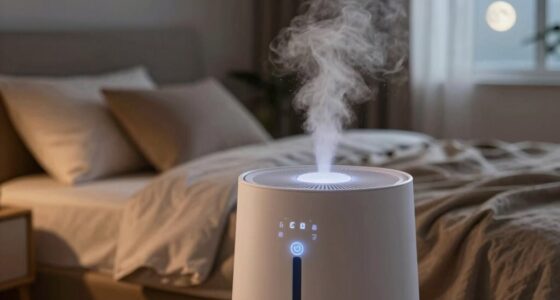

Managing sleep with irregular shift hours can be challenging, but you can improve it by maintaining consistent routines, even on days off. Take steps to create a dark, quiet sleep environment, limit light exposure before bed, and use light during night shifts to stay alert. Avoid heavy meals and caffeine before bedtime, and develop relaxing pre-sleep rituals. Keep your sleep schedule as regular as possible—if you want to discover more ways to optimize your rest, keep exploring further.
Key Takeaways
- Establish consistent sleep routines and pre-sleep rituals to signal your body when it’s time to rest.
- Use light exposure strategically, such as bright light during night shifts and blackout curtains during sleep.
- Create a sleep-friendly environment—cool, dark, and quiet—to improve sleep quality regardless of schedule.
- Avoid caffeine and heavy meals close to bedtime to facilitate easier sleep onset.
- Prioritize regular sleep schedules even on days off to help maintain your circadian rhythm.

Working irregular shifts can substantially disrupt your sleep patterns, making it harder to rest and recharge. When your work hours don’t align with the natural day-night cycle, your body experiences circadian disruption. This internal clock, which regulates sleep-wake cycles, struggles to adapt to irregular schedules, leading to difficulties falling asleep, waking up feeling unrefreshed, and experiencing fragmented sleep. The more your shifts vary, the more your circadian rhythm gets thrown off, increasing fatigue and reducing alertness during working hours. To combat this, focusing on good sleep hygiene becomes essential. Establishing consistent routines, even on days off, can help signal to your body that it’s time to sleep, despite irregular schedules. For example, creating a relaxing pre-sleep ritual—like reading, gentle stretching, or listening to calming music—can cue your mind and body that rest is imminent.
Minimizing exposure to light in the hours before sleep is another *crucial* aspect of sleep hygiene, especially if you’re working night shifts. Light is a powerful regulator of circadian rhythms, and exposure to artificial light at night can further delay sleep onset. Using blackout curtains or wearing a sleep mask can help create a dark environment that promotes melatonin production, which naturally signals your body to prepare for sleep. Conversely, when you need to be alert during night shifts, exposure to bright light can help reset your internal clock, making it easier to stay awake. Just remember, once your shift ends, you should limit light exposure to facilitate sleep. Incorporating light management strategies is essential for aligning your circadian rhythm and improving sleep quality.
Timing your sleep environment is also *vital*. Keep your bedroom cool, quiet, and dark to promote better sleep quality, regardless of your shift schedule. Avoid caffeine and heavy meals close to bedtime, as these can interfere with falling asleep or cause restless sleep. If you’re struggling to sleep during daylight hours, consider using earplugs and white noise machines to block out daytime noise, and keep your room as dark as possible. Staying consistent with your sleep and wake times, even on days off, helps reinforce your body’s circadian cues, reducing the severity of disruption.
Managing shift work sleep challenges requires deliberate effort. By understanding how circadian disruption affects your sleep and applying good sleep hygiene practices, you can improve your rest, boost your energy levels, and maintain better overall health despite the irregular hours.
blackout curtains for bedroom
As an affiliate, we earn on qualifying purchases.
As an affiliate, we earn on qualifying purchases.
Frequently Asked Questions
How Does Shift Work Affect Long-Term Health Risks?
Shift work can increase your long-term health risks, including cardiovascular issues and metabolic syndrome. Irregular hours disrupt your circadian rhythm, leading to poor sleep quality and hormonal imbalances. Over time, these changes raise your chances of developing heart disease, obesity, and diabetes. To protect yourself, prioritize good sleep habits, maintain a healthy diet, and stay active, even with irregular work schedules.
What Are the Best Dietary Practices for Shift Workers?
You should prioritize meal timing that aligns with your work schedule, eating balanced meals at regular intervals to sustain energy. Hydration habits are equally essential; drink plenty of water to stay alert and avoid sugary drinks that cause crashes. While working irregular hours, balancing nutritious food and proper hydration helps combat fatigue and maintain overall health. Don’t forget—your diet influences both your performance and long-term well-being.
How Can Employers Support Employees With Irregular Schedules?
Employers can support employees with irregular schedules by offering flexible scheduling options, allowing you to better manage your sleep and personal life. They should also implement thorough employee wellness programs that focus on mental and physical health, providing resources like counseling and fitness initiatives. These strategies help you stay healthier, more alert, and better equipped to handle the challenges of irregular hours, ultimately boosting your productivity and well-being.
Are There Specific Sleep Aids Recommended for Shift Workers?
Ironically, the best sleep aids for shift workers aren’t flashy pharmaceuticals—they’re natural. You might consider natural sleep aids or melatonin supplements, which can help regulate your sleep cycle without the grogginess of stronger meds. These options support your body’s natural rhythms, making it easier to fall asleep after a long shift. Remember, always check with a healthcare professional before starting any supplements to guarantee they’re right for you.
How Does Shift Work Impact Mental Health and Stress Levels?
Shift work can considerably affect your mental health, increasing stress levels and risk of anxiety or depression. You might feel overwhelmed or exhausted from irregular hours, which disrupt your routine. To manage stress effectively, prioritize mental health by staying connected with loved ones, practicing relaxation techniques, and maintaining a healthy lifestyle. Regular breaks and good sleep hygiene also support better stress management, helping you stay balanced despite challenging schedules.
white noise machine for sleep
As an affiliate, we earn on qualifying purchases.
As an affiliate, we earn on qualifying purchases.
Conclusion
Working irregular hours can disrupt your sleep, but understanding how to manage it makes a difference. Did you know that shift workers are 3 times more likely to experience sleep problems than daytime workers? By prioritizing consistent sleep routines, creating a dark, quiet environment, and staying active, you can better adapt to your schedule. Remember, taking small steps can markedly improve your rest and overall well-being. Your health depends on managing your sleep wisely amidst your busy shift work life.
sleep mask for night shift workers
As an affiliate, we earn on qualifying purchases.
As an affiliate, we earn on qualifying purchases.
light therapy lamp for circadian rhythm
As an affiliate, we earn on qualifying purchases.
As an affiliate, we earn on qualifying purchases.