

Getting enough good sleep is essential for maintaining a healthy weight because it directly affects your metabolism, hormones, and appetite. When you don’t rest well, your body burns fewer calories, increases hunger hormones like ghrelin, and reduces fullness hormones like leptin, leading to cravings and overeating. Lack of sleep also raises stress hormones like cortisol, promoting fat storage. Staying informed about how sleep impacts weight can help you make smarter choices for your health.
Key Takeaways
- Inadequate sleep slows metabolic rate, leading to fewer calories burned and potential weight gain.
- Sleep deprivation disrupts hormones like leptin and ghrelin, increasing appetite and cravings for unhealthy foods.
- Poor sleep impairs nutrient processing, promotes fat storage, and can cause insulin resistance.
- Lack of sleep reduces willpower, making unhealthy food choices more likely and harder to resist cravings.
- Sleep deprivation elevates cortisol levels, promoting fat storage, especially around the abdomen.

Getting enough quality sleep is essential for maintaining a healthy weight. When you don’t get enough rest, your body’s ability to regulate crucial processes like your metabolic rate and hormone balance takes a hit. Sleep influences how efficiently your body burns calories and manages hunger signals, making it a key factor in weight control. Without adequate sleep, your metabolic rate can slow down, meaning your body burns fewer calories throughout the day. This reduction makes it easier to gain weight over time, even if your activity levels stay the same. Plus, sleep deprivation impacts hormone regulation, disrupting the balance of hormones like leptin and ghrelin that control your appetite. Leptin tells you when you’re full, while ghrelin signals hunger. When you’re sleep-deprived, leptin levels drop, and ghrelin levels rise, leading to increased appetite and cravings, especially for high-calorie, carbohydrate-rich foods. This hormonal shift can cause you to eat more than you need, making weight management more challenging.
Furthermore, poor sleep affects your body’s ability to process and store nutrients properly, which can lead to insulin resistance. Elevated insulin levels promote fat storage, especially around your abdomen, and can contribute to long-term weight gain. Sleep deprivation also hampers your willpower and decision-making skills, making it harder to resist unhealthy foods. When you’re tired, you’re more likely to reach for quick energy sources like sweets or junk food, which can sabotage your weight loss efforts. Poor sleep quality can also impair your body’s recovery processes, further disrupting metabolic health.
Your body’s stress response is also activated when you don’t sleep enough, leading to increased cortisol levels. Elevated cortisol not only promotes fat storage but also encourages the accumulation of visceral fat, the most harmful type. This creates a vicious cycle where poor sleep leads to weight gain, which can then cause sleep issues to worsen. On the flip side, prioritizing quality sleep helps maintain a healthy metabolic rate and keeps hormone regulation on track. When you sleep well, your body more effectively balances hunger and fullness cues, supports calorie burning, and reduces stress hormones, all of which contribute to maintaining a healthy weight.
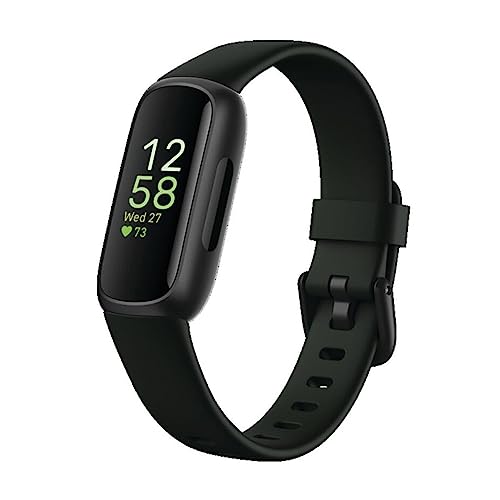
Fitbit Inspire 3 Health &-Fitness-Tracker with Stress Management, Workout Intensity, Sleep Tracking, 24/7 Heart Rate and more, Midnight Zen/Black One Size (S & L Bands Included)
Inspire 3 is the tracker that helps you find your energy, do what you love and feel your…
As an affiliate, we earn on qualifying purchases.
As an affiliate, we earn on qualifying purchases.
Frequently Asked Questions
Can Sleep Deprivation Cause Specific Food Cravings?
Yes, sleep deprivation can cause specific food cravings. When you’re sleep-deprived, hormonal shifts increase your appetite for high-calorie, carbohydrate-rich foods. Lack of sleep affects hormones like ghrelin and leptin, which regulate hunger and fullness. As a result, you might find yourself making poor dietary choices, craving sugary or fatty snacks. Getting enough rest helps balance these hormones, making it easier to stick to healthier eating habits.
How Does Sleep Quality Affect Metabolism?
Ironically, when you sleep poorly, your metabolism slows down, making it harder to burn calories. Your disrupted sleep cycles interfere with hormone regulation, including insulin and leptin, which control hunger and energy use. This imbalance hampers your body’s ability to process nutrients efficiently, leaving you sluggish and craving unhealthy foods. So, quality sleep isn’t just restful; it’s essential for keeping your metabolism running smoothly and maintaining a healthy weight.
Are There Genetic Factors Linking Sleep Patterns and Weight?
Yes, your genetic predisposition influences your sleep patterns and weight. Variations in sleep genes can affect how well you sleep, your circadian rhythm, and your appetite hormones. These genetic factors may make you more prone to sleep disturbances, which in turn can contribute to weight gain. Understanding your sleep genes can help you adopt personalized habits to improve sleep quality and manage your weight more effectively.
Does Napping Influence Overall Weight Management?
Imagine you’re back in the 1800s, but napping today still influences your weight management. Short or irregular naps can disrupt your sleep duration, affecting your bedroom environment and making it harder to maintain a healthy weight. Regular, well-timed naps can actually improve your overall sleep quality, support metabolism, and help control appetite. So, strategic napping might just be your secret weapon in your weight management journey.
Can Improving Sleep Habits Help With Stubborn Weight Loss?
Improving your sleep habits can definitely help with stubborn weight loss. By practicing good sleep hygiene, you guarantee better rest, which supports hormonal regulation—key for controlling appetite and metabolism. When you prioritize quality sleep, your body balances hunger hormones like ghrelin and leptin, reducing cravings and helping you shed those extra pounds. Consistent, restful sleep isn’t just invigorating; it’s an essential part of your weight loss strategy.

Ultra Pain Relief Cooling Pillow for Neck Support, Adjustable Cervical Pillow Cozy Sleeping, Odorless Ergonomic Contour Memory Foam Pillows, Orthopedic Bed Pillow for Side Back Stomach Sleeper
REVOLUTIONIZE YOUR SLEEP WITH THE INNOVATIVE HOLLOW CONCAVE DESIGN – Tired of waking up with neck pain and…
As an affiliate, we earn on qualifying purchases.
As an affiliate, we earn on qualifying purchases.
Conclusion
So, next time you’re tempted to skip sleep to finish a project, remember the ancient scrolls and their wisdom—sleep isn’t just rest, it’s your secret weapon. Without enough sleep, your body’s like a vintage radio stuck on the wrong station, throwing off signals that control hunger and metabolism. Prioritize your sleep, and you’ll find it’s a timeless potion that helps keep your weight in check, no magic wand needed. Sleep well, and stay balanced.
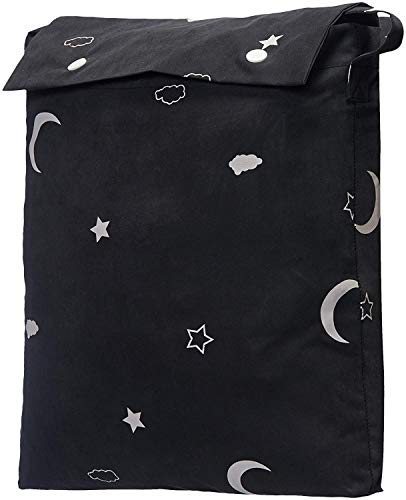
Amazon Basics Portable Blackout Curtain Shade with Suction Cups, 50" W x 78" L, 1-Pack, Moon and Stars
ENERGY SAVING: These blackout curtains act as an insulating barrier
As an affiliate, we earn on qualifying purchases.
As an affiliate, we earn on qualifying purchases.

Magicteam White Noise Machine with 20 Non Looping Natural Soothing Sounds Memory Function 32 Levels of Volume Powered by AC or USB and Sleep Sound Timer Therapy for Baby Kids Adults Black
❤20 Non-Looping Sleep Sounds: White noise ,Brown noise, pink noise, blue noise, fan,brook, rain, ocean,bird and Bonfire,suitable for…
As an affiliate, we earn on qualifying purchases.
As an affiliate, we earn on qualifying purchases.