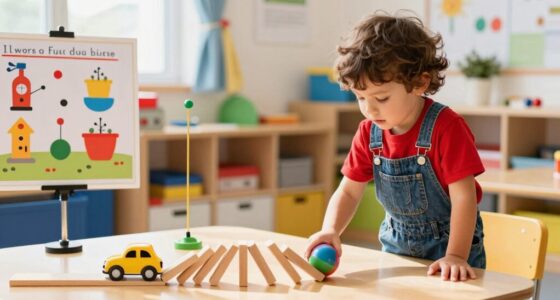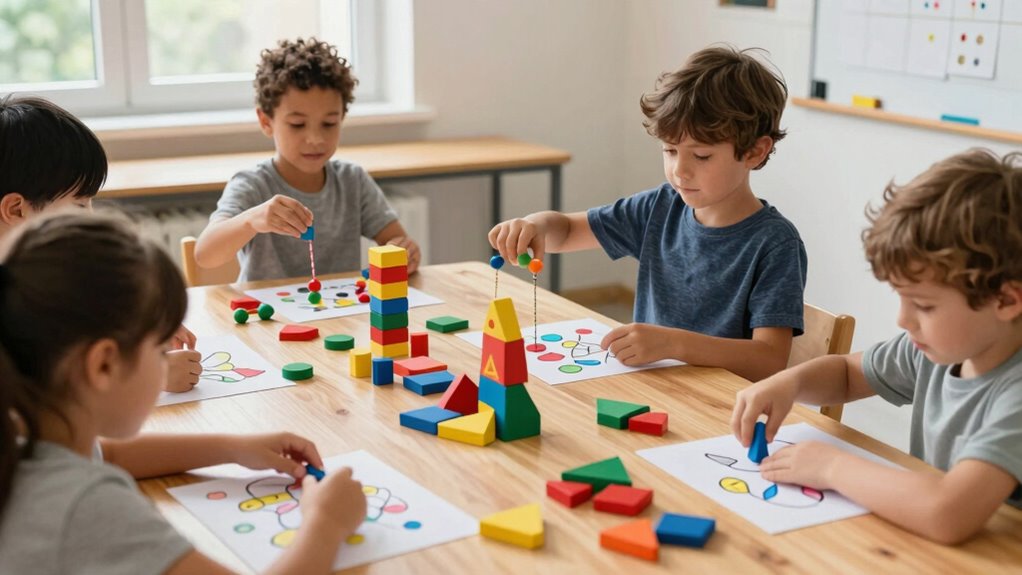

You can turn math into fun, hands-on activities that don’t feel like lessons by using everyday objects like beads, coins, or stickers for pattern recognition and sorting. Incorporate games such as dice, scavenger hunts, or story-based challenges that involve addition or subtraction. Focus on exploring shapes, sequences, and numbers through creative play. Keep activities light, interactive, and full of discovery so kids develop confidence while loving math—stick around to find more playful ideas.

Get health and wellness essentials delivered free with Prime
- Fast, free delivery on millions of items
- Prime Video, Amazon Music and more included
- Member-only deals all year
Key Takeaways
- Incorporate hands-on activities like pattern scavenger hunts and building with blocks to make math feel like play.
- Use story-based games and real-life scenarios to teach math concepts naturally and engagingly.
- Create fun games involving dice or objects for addition, subtraction, and pattern extension.
- Encourage children to create and extend their own patterns using everyday items and drawings.
- Keep activities light-hearted and exploratory, emphasizing discovery and curiosity over formal lessons.
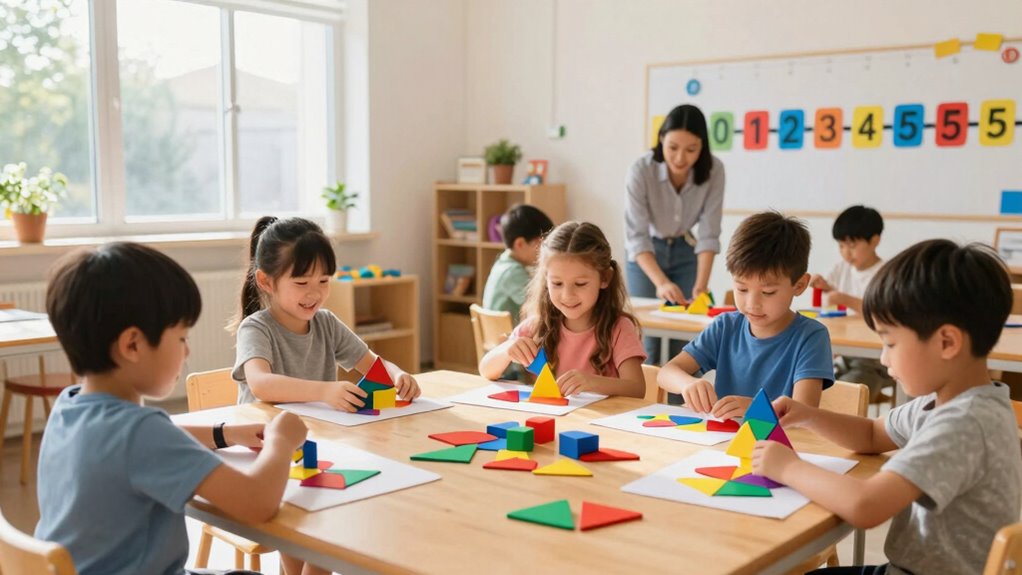
Math play isn’t just about memorizing formulas; it’s about making learning fun and engaging. When you introduce activities that involve number manipulation and pattern recognition, you turn math into an exciting game rather than a chore. For example, you can create a simple scavenger hunt around the house or classroom, where kids search for objects that match specific numbers or patterns. They might find five red blocks, then organize them into groups of two and three, practicing number manipulation effortlessly. This hands-on approach helps children see numbers as something tangible, not just abstract symbols.
Turn math into a fun game with scavenger hunts and hands-on activities that make numbers tangible and exciting.
Pattern recognition is another powerful tool in making math playful. You can set up activities where your child notices and continues patterns using everyday objects like beads, coins, or stickers. For instance, arrange a sequence of colored buttons—red, blue, red, blue—and challenge them to extend the pattern. This sharpens their ability to identify recurring sequences and understand the concept of repetitions, which is fundamental in math. You can also turn pattern recognition into a game by asking questions like, “What comes next in this sequence?” or “Can you create your own pattern using these shapes?” These activities boost logical thinking and help children see the beauty in order and structure.
To incorporate number manipulation in a playful way, try using games that involve simple operations like addition and subtraction. For example, play a game where your child rolls dice and then adds or subtracts the numbers to reach a target sum. You can turn this into a story or challenge, such as “You have 12 apples, and you give away 3. How many do you have left?” This makes math feel relevant and fun, while also reinforcing their understanding of how numbers work together. Using everyday scenarios, like sharing snacks or dividing toys, makes these concepts more relatable and less intimidating. Additionally, understanding patterns and how they relate to sequences in math can help children develop a stronger foundation in recognizing structure and order. Exploring math concepts through hands-on activities can make abstract ideas more accessible for young learners.
Engaging children in hands-on activities that involve manipulatives can further enhance their understanding of math concepts. Incorporating visual aids can also help children grasp abstract ideas more easily, especially for those who learn best through sight and touch. Combining these ideas creates rich opportunities for your child to develop their math skills naturally. Encourage them to explore number manipulation and pattern recognition through creative activities like building with blocks, sorting objects, or even drawing patterns. The key is to keep the activities light-hearted and interactive, so they learn without feeling pressured. When math becomes a game full of discovery and curiosity, your child will develop confidence and a genuine love for numbers. Ultimately, the goal is to show that math isn’t just about getting the right answer—it’s a fun journey of exploration and problem-solving.
As an affiliate, we earn on qualifying purchases.
Frequently Asked Questions
How Can I Adapt These Activities for Different Age Groups?
To adapt activities for different age groups, use age-specific modifications by simplifying or increasing complexity as needed. Incorporate engagement strategies like hands-on materials or playful competition to keep kids interested. For younger children, focus on basic concepts with visual aids, while older kids can handle more abstract tasks. Adjust the pace and challenge level accordingly, ensuring each group remains engaged and motivated while learning math naturally through play.
What Materials Are Needed for These Math Games?
You’ll need simple materials like paper, cards, and counters for these math games. For number puzzles, gather puzzle pieces or printable templates. Card games require a standard deck or custom cards with numbers or math symbols. You might also use dice, counters, or tokens to make activities more engaging. All these materials are easy to find at home or in classrooms, making your math play sessions both fun and accessible.
How Do I Encourage Reluctant Learners to Participate?
You might feel like coaxing a turtle to run a race, but with the right motivational strategies, reluctant learners will surprise you! Use engagement techniques like offering choice, celebrating small wins, or turning math into a game they can’t resist. Make it fun, relevant, and stress-free. When students feel successful and connected, their natural curiosity takes over, and participation becomes effortless—like magic happening right before your eyes.
Can These Activities Be Integrated Into Daily Routines?
Yes, you can integrate these activities into daily routines by embracing routine flexibility. Incorporate quick math games during breakfast, use counting exercises during shopping, or play number-based puzzles during car rides. These activities naturally fit into your day, making math fun without feeling like lessons. By blending math play into everyday moments, you help reluctant learners stay engaged and build confidence effortlessly.
Are There Online Resources to Supplement These Ideas?
Yes, you’ll find fantastic online resources to supplement your math play. Virtual tools and interactive platforms make learning lively and engaging, transforming traditional activities into tech-savvy tasks. Websites like Khan Academy Kids, Cool Math 4 Kids, and Math Playground offer games and activities that seamlessly blend fun and fundamentals. These digital delights let you easily supplement and spice up your math routines, making math memorable and manageable for kids.
As an affiliate, we earn on qualifying purchases.
Conclusion
Remember, just like Alice’s curious journey through Wonderland, math play can be a whimsical adventure rather than a chore. When you turn everyday moments into playful explorations, you invite curiosity and confidence to blossom naturally. So, embrace the magic in the mundane—your kids will discover that math isn’t just numbers, but an enchanting world waiting to be explored. Let the fun begin, and watch their love for math flourish like never before.
As an affiliate, we earn on qualifying purchases.
As an affiliate, we earn on qualifying purchases.
Halloween Picks
halloween
As an affiliate, we earn on qualifying purchases.