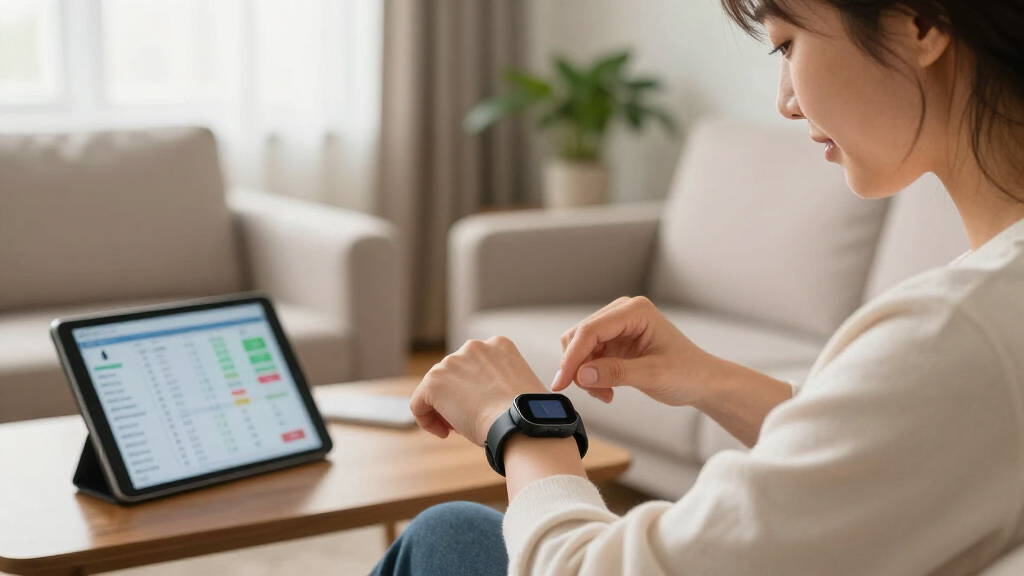

Home health monitoring devices have moved well beyond gimmick status — the best ones now deliver clinically meaningful readings from your couch, whether you are tracking blood pressure, screening for atrial fibrillation, or checking blood oxygen levels. After comparing 11 of the most popular options, the KardiaMobile 6L EKG earns the best overall spot for its FDA-cleared six-lead recordings that rival what you would get in a clinic. The iHealth Track Smart Upper Arm Monitor stands out for hypertension tracking with its wide-range cuff and app syncing, while the Oklar Upper Arm BP Machine offers the best value if you want reliable readings without a subscription. The main tradeoffs you will face are accuracy versus convenience (upper arm cuffs beat wrist models), upfront cost versus ongoing subscription fees (KardiaMobile’s best features require a plan), and single-purpose devices versus multi-parameter ones. Keep reading for the full breakdown of which device fits your specific health goals.

Get health and wellness essentials delivered free — and shop member deals
- Fast, free delivery on millions of items
- Access to Prime Big Deal Days deals on October 6–7
- Prime Video, Amazon Music and more included
Key Takeaways
- Upper arm blood pressure monitors consistently outperformed wrist models for accuracy, which is why three of the top five spots went to upper arm cuffs like the iHealth Track and Oklar.
- KardiaMobile devices dominate heart rhythm monitoring, but the 6L’s extra leads only matter if you plan to share data with a cardiologist — casual users can save money with the 1-lead version.
- The two pulse oximeters in this lineup are nearly interchangeable on hardware; the real difference comes down to display readability and included accessories.
- Subscription fees are the hidden cost in this category: KardiaMobile‘s unlimited EKG storage and clinician review features require a monthly plan on top of the device price.
- App quality separated the iHealth and Kardia devices from budget rivals — a technically accurate monitor with clunky software undermines long-term tracking.
| EMAY 6L Portable ECG Monitor – Record ECG and Heart Rate in 6 Channels |  | Best Full-Featured Home ECG | Channels: 6-channel ECG recording | Connectivity: USB to PC, Bluetooth to smartphone | Battery: Built-in rechargeable lithium battery | VIEW LATEST PRICE | See Our Full Breakdown |
| Oklar Wrist Blood Pressure Monitor, FDA Cleared Rechargeable BP Machine |  | Best for Accessibility | Measurement Time: 35 seconds | Display: Large LED backlit | Voice: Voice broadcast of readings | VIEW LATEST PRICE | See Our Full Breakdown |
| iHealth Neo Wireless Blood Pressure Monitor with App |  | Best Smart BP Tracker | Validation: Clinically validated | Operation: One-button | Measurement Time: 30 to 60 seconds | VIEW LATEST PRICE | See Our Full Breakdown |
| iHealth Push Wrist Blood Pressure Monitor with App |  | Best Budget Connected Pick | Measurement Method: Wrist blood pressure | Connectivity: Bluetooth with free companion app | Memory: 99 readings locally, unlimited in app | VIEW LATEST PRICE | See Our Full Breakdown |
| Oklar FDA Cleared Blood Pressure Monitor Upper Arm BP Machine for Home Use |  | Best Value for Households | Operation: One-button | Display: Large LED backlit screen | Memory: 240 readings (120 per user, 2 users) | VIEW LATEST PRICE | See Our Full Breakdown |
| iHealth Track Smart Upper Arm Blood Pressure Monitor with Wide-Range Cuff |  | Best Smart Blood Pressure Monitor | Measurement Type: Upper arm blood pressure | Display: Large multi-color backlit | Memory: Up to 99 readings | VIEW LATEST PRICE | See Our Full Breakdown |
| KardiaMobile 1-Lead EKG Monitor, FDA-Cleared Personal Heart Monitor for AFib & Arrhythmias |  | Best Value Heart Rhythm Monitor | Model Number: AC-009 | Recording Time: 30 seconds per EKG | Battery: Replaceable CR2016, up to 2 years at 2–3 EKGs/day | VIEW LATEST PRICE | See Our Full Breakdown |
| KardiaMobile 6L EKG |  | Best Premium Heart Monitor | Leads: 6 | Recording Time: 30 seconds per EKG | Detected Conditions: AFib, Bradycardia, Tachycardia, Normal Sinus Rhythm | VIEW LATEST PRICE | See Our Full Breakdown |
| Fingertip Pulse Oximeter Blood Oxygen Saturation Monitor with OLED Screen, Lanyard, and Batteries |  | Best Budget Pick | Measurements: SpO2 and pulse rate | Display: OLED | Includes: 2 x AAA batteries, lanyard, instruction manual | VIEW LATEST PRICE | See Our Full Breakdown |
| Sinocare Blood Pressure Monitor, Upper Arm Blood Pressure Monitor for Home Use, Adjustable Cuff 8.6″-16.5″, One-Button Operation, Dual User, Accurate & Practical |  | Best for Beginners | Cuff Size: 8.6″–16.5″ | Display Size: 3.6 inches | Power Options: 4 AAA batteries or Type-C charging | VIEW LATEST PRICE | See Our Full Breakdown |
| Zacurate 500 Series Fingertip Pulse Oximeter with Silicone Cover, Batteries, and Lanyard |  | Best Budget Spot-Check Pick | Measurements: Blood oxygen saturation (SpO2) and pulse rate | SpO2 Range: Up to 100% | Reading Time: Approximately 10 seconds | VIEW LATEST PRICE | See Our Full Breakdown |
More Details on Our Top Picks
EMAY 6L Portable ECG Monitor – Record ECG and Heart Rate in 6 Channels
This option stands out for offering six-channel ECG recording at a fraction of what clinical equipment costs, with no subscription required — a sharp contrast to the KardiaMobile lineup, which charges recurring fees for extended analysis and report storage. Compared with the KardiaMobile 6L, the EMAY trades FDA-cleared algorithmic interpretation for raw recording depth and data ownership: readings save to PC via USB or phone via Bluetooth, and you keep every file without paying monthly. That makes it better suited to users who want to collect rhythm data and review trends themselves, or share exports with a physician on their own schedule.
The tradeoff is real, though. This is a monitoring tool, not a diagnostic device — it won’t flag AFib automatically the way KardiaMobile will, and it’s off-limits for anyone with an implanted pacemaker. Buyers who want instant algorithmic interpretation should look elsewhere in this roundup.
Pros:- Six-channel recording captures more rhythm detail than single-lead consumer units
- No subscription fees — all software features are included
- Works with both PC (USB) and smartphone (Bluetooth)
- Stores and reviews past cases for long-term trend tracking
Cons:- No built-in algorithmic interpretation of arrhythmias like FDA-cleared competitors offer
- Not for use with implanted pacemakers
- Not a substitute for a hospital-grade diagnostic ECG
Best for: Data-minded users and caregivers who want multi-channel ECG recordings they can store, export, and share with a doctor without subscription fees
Not ideal for: Anyone with an implanted pacemaker, or buyers who want automatic AFib detection and instant interpretation rather than raw recordings
- Channels:6-channel ECG recording
- Connectivity:USB to PC, Bluetooth to smartphone
- Battery:Built-in rechargeable lithium battery
- Software:Sampling, case review, measurement — no subscription
- Intended Use:Over-the-counter (OTC), non-diagnostic
- Pacemaker Compatibility:Not for use with implanted pacemakers
Our verdict“Choose this if you want maximum ECG recording depth and full data ownership without recurring costs — skip it if you need automatic rhythm interpretation.”
Oklar Wrist Blood Pressure Monitor, FDA Cleared Rechargeable BP Machine
What separates this model from the iHealth Push — its closest wrist-worn competitor here — is accessibility engineering. The Oklar adds a voice broadcast feature that reads results aloud, which matters enormously for users with poor eyesight, alongside a large backlit LED display and a 35-second measurement cycle. The iHealth Push counters with app syncing and a color-coded indicator, but it relies on AAA batteries that drain faster with Bluetooth use; the Oklar’s rechargeable built-in battery with Type-C charging means fewer trips to the battery drawer.
The compromise is the same one every wrist monitor makes: wrist readings are more sensitive to arm position than upper-arm devices like the Oklar upper-arm model or the iHealth Neo, so technique matters more. And you’ll need to supply your own charging adapter.
Pros:- Voice broadcast reads results aloud for low-vision users
- Fast 35-second measurements
- Rechargeable battery — no disposable batteries to replace
- 240-reading dual-user memory tracks two people separately
Cons:- Wrist measurements are more position-sensitive than upper-arm alternatives
- Charging adapter not included
- No app connectivity or data export
Best for: Seniors and visually impaired users who benefit from voice-read results and a large backlit display
Not ideal for: Buyers prioritizing maximum measurement accuracy or app-based data logging — an upper-arm model with Bluetooth like the iHealth Neo serves that better
- Measurement Time:35 seconds
- Display:Large LED backlit
- Voice:Voice broadcast of readings
- Battery:Rechargeable built-in, Type-C charging
- Memory:240 readings, dual user mode
- Cuff Range:4.92 to 8.46 inches
- Clearance:FDA cleared
Our verdict“This pick makes the most sense for older adults who need spoken, large-text readings — not for data-driven trackers who want app syncing.”
iHealth Neo Wireless Blood Pressure Monitor with App
The Neo occupies a sweet spot the other blood pressure picks here don’t quite reach: it pairs clinical validation — the strongest accuracy credential in this batch — with an ultra-thin, pocketable design and unlimited app-based storage. Compared with the Oklar wrist model, which stores readings only on-device with no export path, the Neo syncs everything to the MyVitals app and exports to CSV, XLS, or PDF, which is exactly what you want when a doctor asks for your last month of readings. One-button operation and a 950mAh battery good for roughly 130 measurements keep the daily routine frictionless.
The catch: without a smartphone and Bluetooth, you lose most of what you’re paying for — the onboard experience is minimal. Battery life also shrinks with heavy syncing. If you don’t want an app in the loop, the simpler Oklar upper-arm unit is the smarter spend.
Pros:- Clinically validated accuracy — rare at this size and price
- Ultra-thin, lightweight design travels easily
- Unlimited cloud storage with CSV/XLS/PDF export
- Up to 130 measurements per charge
Cons:- Core functionality depends on a Bluetooth-connected smartphone
- Battery life diminishes with frequent syncing
- On-device display and storage are minimal without the app
Best for: Tech-comfortable users tracking blood pressure trends who want validated accuracy, travel-friendly size, and shareable reports for their doctor
Not ideal for: Anyone without a smartphone or an aversion to app-based workflows — the hardware alone doesn’t justify the price
- Validation:Clinically validated
- Operation:One-button
- Measurement Time:30 to 60 seconds
- Connectivity:Bluetooth 4.0
- Battery:950mAh rechargeable lithium, up to 130 measurements per charge
- Data Storage:Unlimited via MyVitals app
- Export Options:CSV, XLS, PDF
Our verdict“The strongest choice for connected health tracking with doctor-ready reports — as long as you’re willing to manage it through an app.”
iHealth Push Wrist Blood Pressure Monitor with App
Think of the Push as the entry point to app-connected blood pressure tracking. It delivers Bluetooth syncing and unlimited app storage at a lower price than the iHealth Neo, following a straightforward four-step measurement process with a color-coded indicator that turns reading results into an instant green/yellow/red glance — a simpler interpretation layer than the Neo offers on-device. Against the Oklar wrist monitor, it wins on data tracking but loses on accessibility: no voice broadcast, no backlit LED, and no rechargeable battery.
Those AAA batteries are the hidden cost — Bluetooth use drains them quickly, so frequent measurers will be replacing batteries often. And like any wrist monitor, it demands correct arm positioning for trustworthy numbers, with a cuff range (5½” to 7¾”) that excludes larger wrists.
Pros:- Bluetooth syncing with unlimited app storage at a budget price
- Color-coded indicator simplifies result interpretation
- Simple 4-step measurement process
- Lightweight and genuinely pocketable
Cons:- AAA batteries drain quickly with Bluetooth use
- Wrist cuff maxes out at 7¾ inches
- Wrist readings require careful positioning for accuracy
Best for: First-time blood pressure trackers who want app logging and color-coded feedback at the lowest connected price
Not ideal for: Frequent measurers who’d burn through AAA batteries, or users with wrists above 7¾ inches
- Measurement Method:Wrist blood pressure
- Connectivity:Bluetooth with free companion app
- Memory:99 readings locally, unlimited in app
- Cuff Size:5.5 to 7.75 inches wrist circumference
- Batteries:2 AAA
- Feedback:Color-coded results indicator
- Warranty:12 months
Our verdict“The cheapest way into app-based blood pressure tracking — a good starter device, provided your wrist fits and you don’t measure daily.”
Oklar FDA Cleared Blood Pressure Monitor Upper Arm BP Machine for Home Use
For a straightforward, no-app, no-frills home station, this is the value play. The upper-arm measurement method is inherently more reliable than either wrist option here, and the 240-reading dual-user memory means two people can track trends independently on one device — something the iHealth Push can’t match locally. Compared with the iHealth Neo, you give up app syncing and clinical validation, but you gain a bigger backlit display, a wide 8.7–15.7 inch cuff that fits most adults, and dual power flexibility: three AA batteries or Type-C, whichever is handy.
The tradeoff is convenience of data. Readings live on the device only — no export, no cloud history, no sharing with a physician except by transcribing numbers yourself. And despite the Type-C port, it isn’t rechargeable; the cable just powers it.
Pros:- Upper-arm measurement is more consistent than wrist-based alternatives
- Dual-user memory with 120 readings each
- Wide 8.7–15.7 inch cuff fits most adults
- Runs on AA batteries or Type-C power
Cons:- No app connectivity or data export capability
- Not rechargeable — Type-C only powers it, doesn’t charge a battery
- Display-only history means manual record-keeping for trends
Best for: Two-person households wanting dependable upper-arm readings and shared on-device memory without paying for smart features they won’t use
Not ideal for: Anyone who needs digital export or long-term trend charts to share with a doctor — there’s no app or data transfer
- Operation:One-button
- Display:Large LED backlit screen
- Memory:240 readings (120 per user, 2 users)
- Power:3 AA batteries or Type-C cable
- Cuff Size:8.7 to 15.7 inches (22–40 cm)
- Measurement Type:Upper arm
- Clearance:FDA cleared
Our verdict“The best no-nonsense pick for couples monitoring at home together — skip it if your doctor expects downloadable reports.”
iHealth Track Smart Upper Arm Blood Pressure Monitor with Wide-Range Cuff
This option stands out for buyers who want blood pressure data that actually lives somewhere useful. The Bluetooth syncing to the iHealth app means readings build an unlimited history on your phone rather than getting trapped in the device’s 99-reading memory, which is a real advantage when sharing trends with a doctor. Compared with the Sinocare upper arm monitor, the iHealth Track adds a multi-color backlit display that color-codes results, making it easier for older users or anyone with vision challenges to interpret readings at a glance. It also flags heart rhythm disturbances automatically. The tradeoff: it runs on disposable AAA batteries instead of rechargeable power, and the app requires a Bluetooth 4.0 compatible phone, so less tech-inclined buyers may prefer Sinocare’s simpler one-button approach.
Pros:- Clinically accurate, meeting ESH 2010 performance standards
- Color-coded backlit display makes results easy to interpret
- Unlimited reading history via smartphone app instead of 99-reading cap
- Automatically detects heart rhythm disturbances
- Wide-range cuff fits most arm sizes from 8.7 to 16.5 inches
Cons:- Non-rechargeable AAA batteries require ongoing replacement
- App features require a Bluetooth 4.0 compatible smartphone
- Manual reading management without the app is cumbersome
Best for: Tech-comfortable users and caregivers who want unlimited app-based tracking and easy data sharing with physicians
Not ideal for: Anyone who wants a phone-free experience — app syncing depends on a compatible Bluetooth device, and managing readings manually is clunky
- Measurement Type:Upper arm blood pressure
- Display:Large multi-color backlit
- Memory:Up to 99 readings
- Connectivity:Bluetooth 4.0
- Cuff Size:8.7″–16.5″ (22–42cm)
- Batteries:4 AAA batteries included
- Standards:Meets ESH 2010 performance standards
Our verdict“This pick makes the most sense for buyers who want clinically accurate readings with long-term digital tracking, provided they’re comfortable pairing it with a smartphone.”
KardiaMobile 1-Lead EKG Monitor, FDA-Cleared Personal Heart Monitor for AFib & Arrhythmias
For buyers focused specifically on catching AFib and arrhythmias, this is the most affordable entry point into medical-grade EKG tracking at home. A reading takes just 30 seconds, and because it weighs under an ounce with no cords, it slips into a pocket for travel in a way bulkier monitors can’t match. Compared with the KardiaMobile 6L, the single-lead version captures less diagnostic detail — the 6L gives cardiologists six views of the heart — but for routine rhythm screening, most home users don’t need that depth. It also undercuts the EMAY 6L Portable ECG on simplicity: no cables, no PC software, just fingers on the sensors. The limitations are worth knowing upfront: it cannot detect heart attacks, it’s not suitable for people with pacemakers or ICDs, and it does require a smartphone and app to function.
Pros:- FDA-cleared with cardiologist recommendations
- Medical-grade EKG in 30 seconds
- Pocket-sized and cordless for true portability
- Replaceable battery lasts up to two years with typical use
Cons:- Single lead provides less diagnostic detail than 6-lead alternatives
- Cannot detect heart attacks
- Incompatible with pacemakers and ICDs
Best for: Budget-conscious buyers with palpitations or AFib concerns who want quick doctor-shareable rhythm readings
Not ideal for: Anyone with a pacemaker or ICD, or users without a compatible smartphone — the device cannot operate without the app
- Model Number:AC-009
- Recording Time:30 seconds per EKG
- Battery:Replaceable CR2016, up to 2 years at 2–3 EKGs/day
- Compatibility:Most smartphones
- FDA Clearance:Yes
- Weight:Less than 1 ounce
Our verdict“The smart choice for first-time heart rhythm monitoring on a budget, as long as you accept single-lead detail and have a smartphone.”
KardiaMobile 6L EKG
This is the upgrade pick for buyers whose cardiologist wants more than a rhythm snapshot. With six leads instead of one, it gives a far richer picture of electrical activity than the KardiaMobile 1-Lead, detecting not just AFib but also bradycardia, tachycardia, and normal sinus rhythm. What separates it from the EMAY 6L Portable ECG is the software experience — instant analysis in 30 seconds on a phone or tablet, with results formatted to share directly with a doctor. Unlike many competitors in this category, it works without a subscription for core detection features, which matters over years of ownership. The same caveats as its sibling apply: it won’t detect heart attacks, it can’t be used with pacemakers or ICDs, and a compatible device is mandatory. Buyers paying the premium should be those who genuinely need the extra leads — for casual peace-of-mind checks, the 1-Lead saves real money.
Pros:- Six-lead EKG captures far more diagnostic detail than single-lead devices
- No subscription required for core features
- FDA-cleared and trusted by professionals
- Results in 30 seconds on most smartphones and tablets
Cons:- Not for use with pacemakers or ICDs
- Cannot detect heart attacks
- Higher price than single-lead alternatives without benefiting casual users
Best for: Patients managing diagnosed arrhythmias whose doctors benefit from six-lead EKG data between office visits
Not ideal for: Casual users without a heart condition history — the extra leads cost more while the 1-Lead model covers basic AFib screening for less
- Leads:6
- Recording Time:30 seconds per EKG
- Detected Conditions:AFib, Bradycardia, Tachycardia, Normal Sinus Rhythm
- Compatibility:Most smartphones and tablets
- Subscription:No
- FDA-Cleared:Yes
Our verdict“Worth the premium only if your care team needs multi-lead detail at home; everyone else should stick with the cheaper 1-Lead version.”
Fingertip Pulse Oximeter Blood Oxygen Saturation Monitor with OLED Screen, Lanyard, and Batteries
When the goal is simply knowing your blood oxygen and pulse rate without spending much, this fingertip oximeter gets the job done. The one-button operation means there’s nothing to learn — clip it on, wait a few seconds, read the bright OLED screen — which makes it a practical choice for elderly family members or anyone recovering from respiratory illness. It arrives with batteries and a lanyard included, so it works out of the box, unlike some devices that nickel-and-dime you on accessories. Compared with the Zacurate 500 Series oximeter, this model is the more basic option, but for occasional spot checks the difference in polish rarely matters. The honest tradeoff is scope: it measures only SpO2 and pulse rate, offers no data storage or app history, and fingertip readings can be unreliable with cold hands, poor circulation, or nail polish. It’s a spot-check tool, not a continuous monitor.
Pros:- Very low cost with batteries and lanyard included
- Bright OLED display is easy to read in any light
- True one-button operation with auto power-off
- Lightweight enough to carry anywhere
Cons:- No memory, connectivity, or trend tracking of any kind
- Fingertip readings can be inaccurate with poor circulation, cold hands, or nail polish
Best for: Budget shoppers and families wanting occasional SpO2 spot checks for respiratory illness recovery or fitness
Not ideal for: Anyone needing continuous monitoring, data logging, or readings affected by poor circulation or cold hands — this is a spot-check device only
- Measurements:SpO2 and pulse rate
- Display:OLED
- Includes:2 x AAA batteries, lanyard, instruction manual
- Auto Power-Off:Yes
- Design:Portable, lightweight fingertip clip
Our verdict“A sensible cheap buy for occasional oxygen spot checks, but skip it if you need recorded history or clinical-grade consistency.”
Sinocare Blood Pressure Monitor, Upper Arm Blood Pressure Monitor for Home Use, Adjustable Cuff 8.6″-16.5″, One-Button Operation, Dual User, Accurate & Practical
This model is better suited to buyers who want a blood pressure monitor that works the moment it’s unboxed, with zero pairing, apps, or menus to figure out. The one-button operation is genuinely one-button — a meaningful contrast with the iHealth Track, whose app-dependent workflow can frustrate less tech-savvy users. The dual-user profiles with 99 readings each make it a natural fit for couples tracking separately on one device, and the generous 3.6-inch display is larger than most competitors in this price band. It also adds practical safeguards the iHealth lacks, including incorrect posture alerts alongside irregular heartbeat detection, which improves reading reliability. Flexibility on power is a plus: AAA batteries or Type-C charging. The main annoyances are the missing charging cable in the box and accuracy of ±3 mmHg, which is solid but not best-in-class. It also can’t sync data anywhere — records live only on the device.
Pros:- True one-button operation with no app or pairing required
- Dual user profiles each storing up to 99 readings
- Large 3.6-inch display with irregular heartbeat and posture alerts
- Flexible power via AAA batteries or Type-C charging
Cons:- Type-C charging cable not included
- No Bluetooth or app connectivity for data tracking
- Accuracy of ±3 mmHg trails the clinically validated leaders
Best for: Beginners, seniors, and couples who want accurate readings with zero setup and separate user profiles
Not ideal for: Data-driven users who want to export trends to an app or share digital logs with a doctor — there’s no connectivity at all
- Cuff Size:8.6″–16.5″
- Display Size:3.6 inches
- Power Options:4 AAA batteries or Type-C charging
- Measurement Accuracy:±3 mmHg (pressure), ±5% (pulse rate)
- User Profiles:2
- Readings Storage:Up to 99 per user
Our verdict“The right pick for households that value simplicity and shared use over smart features — just don’t expect digital record-keeping.”
Zacurate 500 Series Fingertip Pulse Oximeter with Silicone Cover, Batteries, and Lanyard
Not every home health setup needs a connected device with an app, and that is exactly where the Zacurate 500 Series earns its place. This option stands out for delivering SpO2 and pulse readings in about 10 seconds at a price that undercuts everything else in this lineup — a fraction of what the KardiaMobile 6L or even the Oklar rechargeable wrist monitor cost. Compared with the generic OLED fingertip oximeter also in this roundup, the Zacurate adds a silicone protective cover and lanyard, which matters if the device lives in a gym bag or a drawer between uses.
The tradeoffs are real, though. There is no app, no data history, and no rechargeable battery — you are trading connectivity and trending for simplicity and savings. Readings are snapshots only, so anyone who needs to track oxygen levels over time for a chronic condition should step up to an app-connected device like the iHealth Neo instead.
Pros:- Delivers blood oxygen and pulse readings in roughly 10 seconds
- Large LED display that is easy to read, including for older users
- Complete accessory bundle: silicone cover, lanyard, and batteries included
- Accommodates a wide range of finger sizes for ages 12 and up
Cons:- Runs on disposable AAA batteries rather than a rechargeable cell like the Oklar wrist monitor
- No app connectivity or stored measurement history for tracking trends
- Not suitable for children under 12, limiting family-wide use
Best for: Budget-conscious households, athletes, and caregivers who want quick occasional oxygen and pulse spot checks without app complexity
Not ideal for: People managing chronic respiratory or cardiac conditions who need logged, trendable readings over time — this device stores no history
- Measurements:Blood oxygen saturation (SpO2) and pulse rate
- SpO2 Range:Up to 100%
- Reading Time:Approximately 10 seconds
- Display:Large digital LED
- Battery:2 x AAA batteries (included)
- Included Accessories:Silicone cover, lanyard
- Age Range:Users aged 12 and above
- Warranty:12 months
Our verdict“If you want the cheapest reliable way to check blood oxygen on demand and don’t care about data logging, this is the spot-check tool to buy.”

How We Picked
My ranking logic starts with clinical credibility: FDA clearance, validated measurement technology, and whether the device’s readings would actually be taken seriously by a physician. Because these are home devices, I weighted day-to-day usability almost as heavily — one-button operation, readable displays, cuff fit, and how painless the companion app makes data logging. A device that sits in a drawer because syncing is frustrating gets penalized regardless of its specs.
From there, I compared total cost of ownership, including subscriptions (a deciding factor for the Kardia devices), battery type, and accessory replacement. Versatility mattered too — dual-user support, PC connectivity, and multi-parameter capture add real value for households. Finally, I evaluated each product against direct competitors in this lineup rather than in isolation, so the ordering reflects which device wins its head-to-head matchup for its intended buyer: the 6L over the 1-lead Kardia for serious cardiac tracking, the iHealth Track over its wrist-based siblings for hypertension management, and so on.
Factors to Consider When Choosing Home Health Monitoring Devices
Choosing a home health monitoring device is less about finding the most feature-packed gadget and more about matching the device to the condition you actually manage. Here are the factors that matter most before you spend anything.Match the Device to the Condition You Are Monitoring
The single most common mistake is buying the wrong category of device entirely. A pulse oximeter will tell you nothing about hypertension, and a blood pressure cuff cannot detect an irregular rhythm — yet shoppers frequently grab whichever device is cheapest or trendiest. Start with what your doctor actually wants you to track: blood pressure for hypertension management, ECG for arrhythmia screening, SpO2 for respiratory conditions. If you have multiple concerns, be aware that no device in this price range does all three well, so prioritize the parameter tied to your active diagnosis. Buying two focused devices usually beats one compromised hybrid.
Upper Arm Versus Wrist: The Accuracy Gap Is Real
Wrist monitors like the Oklar and iHealth Push win on portability and comfort for people with large or painful upper arms, but they are more sensitive to positioning — your wrist must be at heart level, and even a small error in placement skews readings. Upper arm models like the iHealth Track and Sinocare measure at the brachial artery, where oscillometric detection is most reliable, which is why doctors’ offices use them. A common mistake is assuming a wrist monitor is inaccurate by design; the truth is it is accurate only when used perfectly. If you are tracking medication effects or preparing data for a cardiology appointment, go upper arm. If you travel constantly or cannot tolerate an upper arm cuff, a wrist model is a reasonable compromise — just be disciplined about positioning.
Subscriptions and Hidden Costs
Device price rarely tells the whole story. KardiaMobile hardware is affordable, but unlimited cloud storage, full arrhythmia detection, and clinician EKG review sit behind a recurring subscription, and the free tier is limited enough that most serious users end up paying. Blood pressure monitors from iHealth and Oklar have no subscription, but factor in cuff replacement every one to two years and, for some models, rechargeable battery degradation. Pulse oximeters are the cheapest to own long-term — typically just replaceable AAA batteries. Calculate a two-year cost before comparing sticker prices, because a $79 device with a $99/year plan costs more than a $120 device with no fees.
Data Portability and App Ecosystem
A reading that lives only on the device’s screen has limited clinical value. What matters is whether data flows into an app your care team can see, exports as PDFs, or syncs to Apple Health or Google Fit. The iHealth ecosystem excels here with automatic cloud syncing and shareable trend reports, while KardiaMobile lets you email clean PDF EKG strips directly to a cardiologist. The EMAY 6L takes a different approach with PC software, which suits users who dislike phone dependence. Before buying, check whether the app is still actively maintained — abandoned apps are a recurring problem in this category and can render a functional device nearly useless for long-term tracking.
Cuff Size and Physical Fit
Cuff fit is the most underrated accuracy factor in blood pressure monitoring. A cuff that is too small overestimates pressure and one that is too large underestimates it — errors of 10 mmHg or more are common, which is enough to change a diagnosis. The Sinocare’s 8.6 to 16.5 inch range and the iHealth Track’s wide-range cuff accommodate most arms, but if your upper arm exceeds those measurements, a properly fitted wrist monitor becomes the better choice. Measure your arm with a soft tape before ordering, not after. The same logic applies to pulse oximeters: if you have poor circulation, cold hands, or nail polish, fingertip readings will be unreliable regardless of the device’s quality.
When to Pay More — and When Not To
Premium pricing in this category buys specific things: more ECG leads (the jump from KardiaMobile 1-lead to 6L), better cuffs, faster readings, and superior software. It does not buy better basic accuracy in most cases — a $30 fingertip oximeter and a $50 one report the same SpO2 within a point or two. Pay more when the data will inform medical decisions, when multiple household users share the device, or when app-driven trending is central to your management plan. Skip the premium tier if you need occasional spot checks or a travel backup. And remember that no consumer device replaces a clinical workup — anything abnormal needs a conversation with your doctor, not more readings.
Frequently Asked Questions
Is a wrist blood pressure monitor as accurate as an upper arm one?
For most people, no — but the gap depends on how you use it. Wrist monitors like the Oklar and iHealth Push measure at the radial artery, where readings are more affected by wrist position, and your wrist must sit exactly at heart level during measurement. Upper arm models measure at the brachial artery, the same site used in clinical settings, which is why they remain the reference standard for home monitoring. That said, a correctly positioned wrist monitor can be a valid option for people whose upper arms are too large for standard cuffs or who find upper arm cuffs painful. If your readings will guide medication changes, an upper arm model is the safer choice; if you need portability, a wrist model with disciplined technique works for trend tracking.
Do I need the KardiaMobile subscription, or is the free version enough?
The free tier is adequate for occasional rhythm checks, but it becomes limiting quickly for anyone with real cardiac concerns. Without a subscription, you get basic EKG recordings and limited detection capabilities, but unlimited cloud history, the full set of arrhythmia detections, and cardiologist EKG review all sit behind the paid plan. Occasional users who just want to check whether a flutter is AFib during an episode can stay on the free tier indefinitely. If you have diagnosed paroxysmal AFib or your doctor wants ongoing rhythm documentation, the subscription pays for itself in convenience. One workaround: the recordings themselves are always accessible, and you can email PDFs to your physician manually regardless of plan.
Can a home ECG device actually detect AFib, or do I need a clinical test?
FDA-cleared personal EKG devices like the KardiaMobile line and the EMAY 6L can genuinely detect atrial fibrillation — this is their core validated function, and cardiologists routinely accept patient-captured tracings. The catch is that a 30-second personal recording is a snapshot, not a continuous monitor, so intermittent arrhythmias can be missed if they do not occur while you are recording. This is actually an advantage over clinic ECGs in one respect: you can capture an episode the moment you feel symptoms rather than hoping it shows up at an appointment. Where these devices fall short is detecting every arrhythmia type — some subtle conduction abnormalities need a full 12-lead clinical study. Treat home ECGs as a screening and documentation tool that complements, not replaces, formal cardiac evaluation.
What SpO2 reading should prompt me to see a doctor?
Consistent readings below 92 percent warrant a prompt medical conversation, and anything below 88 percent should be treated as urgent. Before panicking over a single low number, check your technique first: cold fingers, poor circulation, nail polish, movement, and an ill-fitting placement on the fingertip all produce falsely low readings on any pulse oximeter, including the well-regarded Zacurate and generic fingertip models. Take several readings over a few minutes while warm and still, and watch the pulse-strength indicator if your device has one. A single dip is far less meaningful than a trend — this is why logging matters for anyone monitoring respiratory conditions at home. If readings stay low despite good technique, do not keep re-measuring; get evaluated.
Which device should I buy first if I can only afford one?
Base it on your primary risk profile, not on versatility. If hypertension runs in your family or you are middle-aged or older, a blood pressure monitor is the highest-value first purchase because high blood pressure is symptomless and heavily influences long-term cardiovascular risk — the Oklar upper arm model covers this need at the lowest price point. If you experience palpitations or have a family history of AFib, prioritize a KardiaMobile instead, since rhythm events are hard to capture in a clinic. Pulse oximeters, while useful, are the most situational purchase and mainly matter for respiratory conditions or post-illness recovery. Whichever you choose, put more budget toward accuracy and app quality than extra features you will never use.
Conclusion
After comparing all 11 devices, the right pick depends almost entirely on which number you are trying to manage. For the best overall, the KardiaMobile 6L stands out because six-lead recordings carry genuine clinical weight — no other device here produces data a cardiologist can act on this directly. The best value is the Oklar FDA Cleared Upper Arm BP Machine, which delivers accurate readings and rechargeable convenience at a price that undercuts the app-focused competition. For premium buyers, the pairing of the iHealth Track Smart with the KardiaMobile 6L creates a home monitoring setup that covers both pressure and rhythm.
For beginners, the Sinocare Upper Arm Monitor makes the most sense — its one-button operation and dual-user support remove every learning barrier, and its adjustable cuff fits nearly every arm. Specific needs break down like this: travelers and anyone who cannot tolerate upper arm cuffs should choose the Oklar Wrist or iHealth Push; budget-conscious rhythm checkers can save with the KardiaMobile 1-Lead; PC-focused users who dislike phone dependence get more from the EMAY 6L; and anyone monitoring respiratory health can grab either the Zacurate 500 Series or the generic Fingertip Pulse Oximeter, which differ mainly in accessories. Whatever you choose, remember that these devices are strongest as trend trackers and early-warning tools — anything abnormal deserves a conversation with your doctor, not just another reading.
Cold & flu season Picks
humidifiers
As an affiliate, we earn on qualifying purchases.