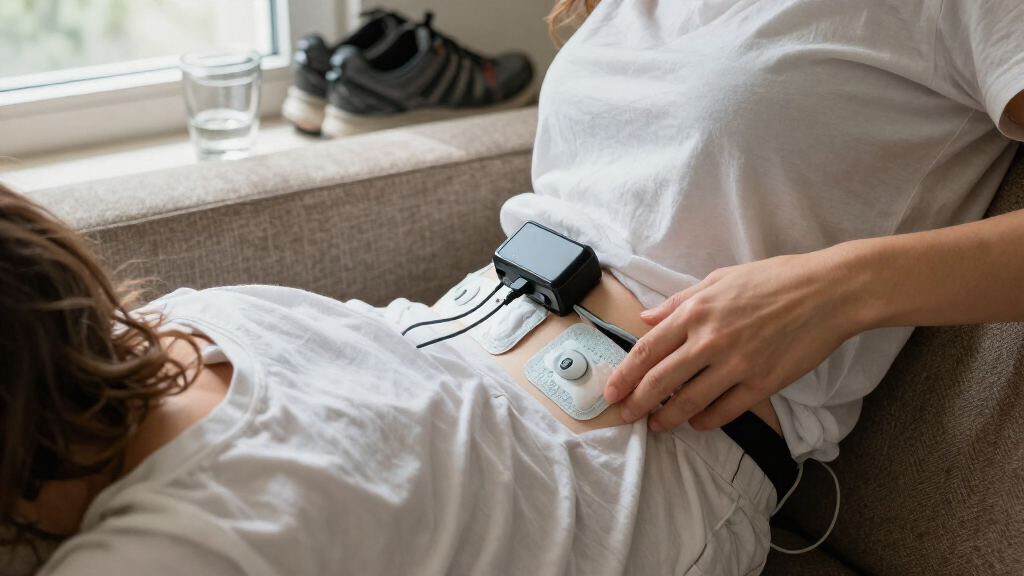
Portable TENS units for pain relief range from compact wireless wearables to traditional controllers with separate electrode pads. The AUVON 24-Mode TENS Unit is my best overall pick for buyers seeking a familiar, flexible setup, while the Comfytemp Wireless TENS Unit with 30 Modes stands out for cable-free placement and the TENS 7000 for hands-on control. The main tradeoffs are convenience versus precise adjustments, and a larger selection of modes versus a simpler interface. Pad shape, channel count, and charging or battery needs also affect how well a unit fits your routine. Read on for the full comparison, selection criteria, and guidance on choosing a model for your needs.

Get health and wellness essentials delivered free with Prime
- Fast, free delivery on millions of items
- Prime Video, Amazon Music and more included
- Member-only deals all year
Key Takeaways
- Traditional wired controls and wireless wearables serve different priorities: AUVON 24-Mode and TENS 7000 favor controller-based adjustments, while Comfytemp and MASTOGO wireless models reduce cable clutter.
- More modes do not automatically mean a better fit: The 30- and 40-intensity-level options offer more adjustment choices, but buyers who prefer straightforward operation may favor simpler controls.
- Channel count and pad supply shape treatment flexibility: The Belifu dual-channel unit and multi-pad AVCOO models are more suited to users who want to place several pads or address more than one area.
- Specialty pads are a targeted convenience, not a universal advantage: Comfytemp’s back, neck, and shoulder pads may suit those areas, while standard pads offer broader placement flexibility.
- The lineup separates into TENS-focused and TENS/EMS combinations: Buyers seeking pain-relief stimulation should compare the TENS controls and pad setup first, rather than choosing a combo model just for its extra functions.
| AUVON 24-Mode TENS Unit Muscle Stimulator with Premium Electrode Pads |  | Best for Long Sessions | Preset choices: 24 | Massage modes: 6 | Electrode pads: 8 square reusable pads | VIEW LATEST PRICE | See Our Full Breakdown |
| Comfytemp Wireless TENS Unit Muscle Stimulator with 30 Modes |  | Best for Wireless Freedom | Device count: 2 wireless devices | Modes: 30 | Intensity levels: 20 | VIEW LATEST PRICE | See Our Full Breakdown |
| Comfytemp 3-in-1 Rechargeable TENS and EMS Muscle Stimulator |  | Best for Customization | Therapies: TENS and EMS | Display: 3-inch HD screen | Modes: 20 total, including 4 preset modes in DIY mode | VIEW LATEST PRICE | See Our Full Breakdown |
| MASTOGO Wireless TENS Unit Muscle Stimulator with 12 Modes |  | Best for TENS and EMS Basics | Modes: 12 total: 6 TENS and 6 EMS | Intensity levels: 1–20 | Session duration: 1–60 minutes | VIEW LATEST PRICE | See Our Full Breakdown |
| TENS 7000 Digital TENS Unit with Accessories |  | Best for a Ready-to-Carry Wired Kit | Manufacturer: Roscoe Medical | Model: TENS 7000 | Dimensions: 8.75 x 2 x 7.75 inches | VIEW LATEST PRICE | See Our Full Breakdown |
| AUVON 3-in-1 TENS and EMS Muscle Stimulator with 40 Intensity Levels |  | Best for Flexible Therapy Options | Functions: TENS, EMS, and relaxation | Intensity levels: 40 | Preprogrammed modes: 24 | VIEW LATEST PRICE | See Our Full Breakdown |
| AVCOO 3-in-1 TENS EMS Muscle Stimulator with 30 Modes |  | Best for Longer Battery Runtime | Therapies: TENS, EMS, and relaxation | Modes: 30 | Intensity levels: 40 | VIEW LATEST PRICE | See Our Full Breakdown |
| TENKER Rechargeable TENS Unit Muscle Stimulator with 24 Modes and Electrode Pads |  | Best for Straightforward Sessions | Modes: 24 | Intensity levels: 20 | Outputs: Dual | VIEW LATEST PRICE | See Our Full Breakdown |
| Belifu Dual-Channel TENS EMS Unit with 24 Modes and 10 Reusable Pads |  | Best for Independent Channel Control | Channels: Two, with separate intensity controls | Modes: 24 | Intensity levels: 20 | VIEW LATEST PRICE | See Our Full Breakdown |
| Comfytemp Wireless TENS Unit and Muscle Stimulator with 30 Modes |  | Best for Cord-Free Movement | Units: Two wireless units | Modes: 30 | Intensity levels: 20 | VIEW LATEST PRICE | See Our Full Breakdown |
| AVCOO TENS EMS Muscle Stimulator with 12 Electrode Pads |  | Best for TENS and EMS Flexibility | Functions: TENS and EMS | Channels: Dual-channel | Modes: 30 | VIEW LATEST PRICE | See Our Full Breakdown |
| Neocarbon TENS Unit Muscle Stimulator Pro |  | Best for Long Trips Between Charges | Modes: 36 | Intensity levels: 20 per channel | Electrode pads: 12 reusable square pads | VIEW LATEST PRICE | See Our Full Breakdown |
| AUVON Wireless TENS Unit Muscle Stimulator with 24 Modes and 6 Pads |  | Best Wireless Pick | Therapy types: TENS, EMS, and massage | Modes: 24 | Intensity levels: 30 | VIEW LATEST PRICE | See Our Full Breakdown |
| Comfytemp TENS Unit with Specialized Pads for Back, Neck, and Shoulder |  | Best for Broad Back and Shoulder Coverage | Display: 2.76 inches | Modes: 20 | Intensity levels: 20 | VIEW LATEST PRICE | See Our Full Breakdown |
| OMRON Max Power Relief TENS Unit Muscle Stimulator |  | Best for Simple, Time-Limited Sessions | Model: PM500 | Therapy modes: Massage and pain | Session length: 15 minutes | VIEW LATEST PRICE | See Our Full Breakdown |
| portable TENS units for pain relief | Electrode pads | Intensity levels | Modes |
|---|---|---|---|
| AUVON 24-Mode TENS Unit Muscle | 8 square reusable pads | — | — |
| Comfytemp Wireless TENS Unit M | 4 medical PET pads: 2 butterfly-shaped and 2 line-shaped | 20 | 30 |
| Comfytemp 3-in-1 Rechargeable | 10 reusable PET pads: 2 large and 8 small | 20 | 20 total, including 4 preset modes in DIY mode |
| MASTOGO Wireless TENS Unit Mus | 4 standard pads and 2 small pads | 1–20 | 12 total: 6 TENS and 6 EMS |
| TENS 7000 Digital TENS Unit wi | 4 reusable pads | — | — |
| AUVON 3-in-1 TENS and EMS Musc | Eight 2-inch square pads and four 2 x 4-inch rectangular pads | 40 | — |
| AVCOO 3-in-1 TENS EMS Muscle S | 12 latex-free pads in three shapes | 40 | 30 |
| TENKER Rechargeable TENS Unit | Six 2-inch square pads and two 2 x 4-inch large pads | 20 | 24 |
| Belifu Dual-Channel TENS EMS U | — | 20 | 24 |
| Comfytemp Wireless TENS Unit a | Four medical PET pads: two butterfly pads and two line pads | 20 | 30 |
| AVCOO TENS EMS Muscle Stimulat | 12 snap-button pads in three sizes; reusable for more than 50 uses | 30 | 30 |
| Neocarbon TENS Unit Muscle Sti | 12 reusable square pads | 20 per channel | 36 |
| AUVON Wireless TENS Unit Muscl | 6 latex-free pads: 4 small and 2 large | 30 | 24 |
| Comfytemp TENS Unit with Speci | Oversized neck-and-shoulder pad, oversized lower-back pad, and 6 universal pads | 20 | 20 |
| OMRON Max Power Relief TENS Un | — | — | — |
More Details on Our Top Picks
AUVON 24-Mode TENS Unit Muscle Stimulator with Premium Electrode Pads
The AUVON makes the most sense for home use when you want a rechargeable unit with a broad set of preset choices, rather than app-based control. Its 24 presets across six massage modes offer variety without requiring you to create a custom routine, and the stated up to 10-hour battery runtime reduces how often you need to charge between sessions. Unlike the wireless Comfytemp 30-Mode unit, this model uses lead wires, so placement is less convenient if you want to move around during treatment. In return, its controls and setup do not depend on a phone app. Eight pads and a storage pouch make it a well-equipped home kit, but the pads are rated for up to 45 uses, a shorter stated lifespan than the Comfytemp wireless unit’s 60-plus cycles. Skip it if wireless mobility or longer pad reuse matters most.
Pros:- 24 preset choices across six massage modes provide variety without custom programming.
- Rechargeable battery is rated for up to 10 hours of use per charge.
- Eight reusable electrode pads are included for flexible placement.
- Includes two lead wires, a pad holder, a pouch, and a Type-C charging cable.
Cons:- Lead wires restrict movement compared with wireless options such as the Comfytemp 30-Mode unit.
- Pads are rated for up to 45 uses, so they may need replacement sooner than pads rated for more cycles.
- Not intended for people with pacemakers, pregnant users, or people with epilepsy.
Best for: Home users who want several preset treatment patterns, a rechargeable unit, and enough included pads to set up multiple areas.
Not ideal for: People who want to move freely during sessions, prefer app-free wireless control, or need pads with a longer stated reuse life.
- Preset choices:24
- Massage modes:6
- Electrode pads:8 square reusable pads
- Pad lifespan:Up to 45 uses
- Battery:Rechargeable lithium battery
- Battery runtime:Up to 10 hours
- Recharge time:About 1 hour
- Included accessories:2 lead wires, pad holder, Type-C cable, pouch, and user manual
- Warranty:12 months
Our verdict“Choose the AUVON if you want a rechargeable, preset-heavy home unit and do not mind using wired pads.”
Comfytemp Wireless TENS Unit Muscle Stimulator with 30 Modes
For sessions where wires would get in the way, this Comfytemp is the most movement-friendly choice in this group. Its two wireless devices can be adjusted separately or together, making it easier to treat two areas without routing lead wires across the body. The mobile app offers 30 modes and 20 intensity levels, giving it more listed treatment choices than the MASTOGO’s 12 presets. That flexibility comes with a clear catch: a smartphone is required for control, and there is no remote if you would rather keep your phone aside. The four pads include butterfly and line shapes, while their stated 60-plus reuse cycles exceed the AUVON’s up-to-45-use rating. Choose this model for cordless convenience, not for buyers who want a simple screen-and-button unit or more pads in the box.
Pros:- Two wireless devices support treatment at two areas without lead wires.
- Devices can be adjusted independently or simultaneously.
- App provides 30 modes and 20 intensity levels.
- Rinseable pads are rated for more than 60 reuse cycles.
Cons:- A mobile app is required for control, with no remote included.
- Only four electrode pads are supplied.
- App-based setup may be less convenient than the direct controls on the AUVON 24-Mode unit.
Best for: People who want cordless sessions, need to target two areas independently, and are comfortable controlling treatment from a smartphone.
Not ideal for: Buyers who do not want to use an app, need a handheld remote, or want more than four included pads.
- Device count:2 wireless devices
- Modes:30
- Intensity levels:20
- Electrode pads:4 medical PET pads: 2 butterfly-shaped and 2 line-shaped
- Pad dimensions:Butterfly: 5.2 x 2.4 in; line: 3.5 x 2.8 in
- Pad reuse:60+ cycles
- Control:Mobile app
- Rechargeable:Yes
Our verdict“Pick this Comfytemp for app-controlled, wire-free sessions, but skip it if you want controls that work without a phone.”
Comfytemp 3-in-1 Rechargeable TENS and EMS Muscle Stimulator
This Comfytemp is the most adjustable wired option here for buyers who want to tailor sessions rather than rely only on preset patterns. It combines TENS and EMS with customizable pulse settings, a memory function, and two independent channels, so separate areas can receive different settings at once. The 3-inch screen and key lock also make it easier to check settings and reduce accidental changes during use. Compared with the AUVON 24-Mode unit, this model offers fewer total modes but more explicit customization and a longer stated battery runtime of up to 21 hours. Its ten pads and more-than-100-cycle reuse rating are also more generous than the AUVON’s eight pads and up-to-45-use rating. The tradeoff is a more involved setup, plus ongoing pad cleaning and eventual loss of adhesion; choose a simpler preset unit if you do not need that control.
Pros:- TENS and EMS therapies with customizable pulse settings support more tailored sessions.
- Independent dual channels can address two areas with separate settings.
- Battery is rated for up to 21 hours of use.
- Includes 10 reusable PET pads rated for over 100 cycles.
Cons:- Custom settings and multiple functions may take longer to learn than the AUVON’s preset-focused setup.
- Pads require cleaning and eventually lose adhesion.
- Wired electrode pads do not offer the movement freedom of the wireless Comfytemp 30-Mode unit.
Best for: People who want to customize TENS or EMS sessions, treat two areas independently, and keep a large supply of reusable pads on hand.
Not ideal for: Beginners who want a straightforward preset-only experience, or users who prefer a wireless unit without lead-connected pads.
- Therapies:TENS and EMS
- Display:3-inch HD screen
- Modes:20 total, including 4 preset modes in DIY mode
- Intensity levels:20
- Channels:2 independent channels
- Timer:10–60 minutes
- Battery life:Up to 21 hours
- Electrode pads:10 reusable PET pads: 2 large and 8 small
- Pad reuse:Over 100 cycles
Our verdict“Choose this model if custom TENS and EMS settings matter more than a simpler, wireless setup.”
MASTOGO Wireless TENS Unit Muscle Stimulator with 12 Modes
The MASTOGO suits buyers who want both TENS and EMS in a wireless format but do not need a long menu of programs. It has 12 presets split evenly between TENS and EMS, plus 20 intensity levels and sessions adjustable from one to 60 minutes. That makes its treatment menu simpler than the wireless Comfytemp’s 30 modes, while still offering both therapy types. Bluetooth app control is the main compromise: like that Comfytemp, it depends on a phone rather than a built-in display or included remote. Six pads, including two small ones, give it more placement options out of the box than the Comfytemp’s four pads. The rechargeable battery takes about two hours to charge, and the adhesive pads need upkeep. This is a practical pick for app-comfortable users seeking a less extensive mode selection, not for anyone who wants physical controls.
Pros:- Wireless operation avoids the lead wires used by the AUVON 24-Mode unit.
- Includes six presets for each therapy type: TENS and EMS.
- Intensity and session length are adjustable.
- Six electrode pads include both standard and small sizes.
Cons:- Requires the DOMAS smartphone app for Bluetooth control.
- Offers 12 modes, fewer than the Comfytemp wireless unit’s 30.
- Adhesive pads need cleaning and upkeep, and no pad reuse-cycle rating is specified.
Best for: Smartphone users who want a wireless unit with both TENS and EMS presets, adjustable session length, and six included pads.
Not ideal for: People who want app-free operation, a larger selection of modes, or a unit with stated battery-runtime details.
- Modes:12 total: 6 TENS and 6 EMS
- Intensity levels:1–20
- Session duration:1–60 minutes
- Charging:USB rechargeable
- Full charge time:Approximately 2 hours
- App control:DOMAS app for iOS and Android via Bluetooth
- Electrode pads:4 standard pads and 2 small pads
- Connectivity:Wireless; supports connecting multiple units
Our verdict“Choose the MASTOGO if you want wireless TENS and EMS with a restrained preset menu and are happy using an app.”
TENS 7000 Digital TENS Unit with Accessories
The TENS 7000 takes a more traditional approach than the rechargeable and app-controlled models in this lineup: it is a digital wired unit supplied with a 9V battery, two lead wires, four pads, and a hard carrying case. That bundle makes it easy to store and carry as a complete kit, while multiple TENS modes give users options beyond a single fixed pattern. Compared with the rechargeable AUVON, though, it relies on a replaceable 9V battery rather than a stated rechargeable battery and runtime. Its listed weight of 13.7 ounces and dimensions of 8.75 x 2 x 7.75 inches also make it less pocket-friendly than the wireless Comfytemp models. The supplied case helps protect the accessories, but the product data does not specify mode count, battery life, or pad lifespan. Pick it for a straightforward, self-contained wired kit, not for cordless mobility or detailed spec transparency.
Pros:- Includes two lead wires, four reusable pads, a 9V battery, and a hard carrying case.
- Multiple TENS modes provide more than one treatment pattern.
- The hard case keeps the unit and accessories together for storage or transport.
Cons:- Runs on a 9V battery rather than a rechargeable battery like the AUVON.
- Listed dimensions and weight make it less compact than wireless options.
- Product details do not state the number of modes, battery runtime, or pad lifespan.
Best for: Buyers who want a traditional digital TENS kit with a battery, lead wires, pads, and protective case included.
Not ideal for: People who prioritize pocket-sized portability, rechargeable operation, wireless sessions, or clearly stated battery-runtime and pad-lifespan figures.
- Manufacturer:Roscoe Medical
- Model:TENS 7000
- Dimensions:8.75 x 2 x 7.75 inches
- Weight:13.7 ounces
- Power:One included 9V battery
- Therapy modes:Multiple TENS modes; count not specified
- Electrode pads:4 reusable pads
- Included accessories:2 lead wires, user manual, and hard carrying case
Our verdict“Choose the TENS 7000 for a complete wired kit with a carrying case, but choose a rechargeable or wireless model for easier day-to-day portability.”
AUVON 3-in-1 TENS and EMS Muscle Stimulator with 40 Intensity Levels
Three therapy functions make this AUVON a flexible choice for buyers who want TENS, EMS, and a relaxation mode in one portable unit. Its 40 intensity levels and 24 preprogrammed modes offer more adjustment steps than the TENKER, which has 20 intensity levels, while the dual channels let you use two or four pads across one or two treatment areas. The adjustable session timer, reaching 90 minutes, also suits longer sessions better than a quick-use-only device. The tradeoff is less certainty around charging: unlike the AVCOO, whose description gives a battery-life estimate, this AUVON lists no battery life or charging time. Its pads may also need replacement after about 45 uses. I’d choose it for therapy variety, not for buyers who prioritize predictable time between charges.
Pros:- Combines TENS, EMS, and relaxation functions in one device
- 40 intensity levels allow finer adjustment than the TENKER’s 20
- Dual channels support two or four pads at once
- Includes two pad sizes, a storage pouch, and a 24-month warranty
Cons:- Battery life and charging time are not specified
- Pads may need replacement after about 45 uses
Best for: People who want TENS, EMS, and relaxation settings, plus fine-grained intensity adjustment and several pad sizes.
Not ideal for: Buyers who need a stated battery runtime or want electrode pads documented to last beyond roughly 45 uses.
- Functions:TENS, EMS, and relaxation
- Intensity levels:40
- Preprogrammed modes:24
- Channels:Dual channel
- Session length:Adjustable up to 90 minutes
- Electrode pads:Eight 2-inch square pads and four 2 x 4-inch rectangular pads
- Included accessories:Two lead wires, pad holders, USB-C cable, manual, and storage pouch
- Warranty:24 months
Our verdict“Choose this AUVON if therapy variety and fine intensity control matter more to you than a published battery-runtime estimate.”
AVCOO 3-in-1 TENS EMS Muscle Stimulator with 30 Modes
The AVCOO’s clearest advantage over the other corded units here is its stated battery life of up to 40 hours, a useful fit for frequent sessions away from an outlet. It combines TENS, EMS, and relaxation with 30 modes and 40 intensity levels, giving it more mode variety than the AUVON 3-in-1, which offers 24. Dual channels and 12 latex-free pads in three shapes support more placement options without buying a separate starter set. The battery estimate and pad-life figure are manufacturer claims, not independent guarantees, so actual runtime and adhesive life may vary. It also uses lead wires, unlike the wireless Comfytemp, so it won’t offer the same freedom of movement. I’d favor the AVCOO when a long claimed runtime and broad settings matter more than a cord-free setup.
Pros:- Combines TENS, EMS, and relaxation modes
- Offers 30 modes and 40 intensity levels
- Includes 12 latex-free pads in three shapes
- States up to 40 hours of battery use and includes a 24-month warranty
Cons:- Lead wires limit movement compared with the wireless Comfytemp
- Battery life and pad adhesive-life figures are manufacturer claims
Best for: Frequent users who want a rechargeable wired unit with three therapy functions, several pad shapes, and a long stated runtime.
Not ideal for: People who want to move freely during sessions without lead wires, or who need independently verified battery and adhesive-life figures.
- Therapies:TENS, EMS, and relaxation
- Modes:30
- Intensity levels:40
- Channels:Dual
- Battery life:Up to 40 hours
- Electrode pads:12 latex-free pads in three shapes
- Pad adhesive life:Advertised for over 50 uses
- Charging:USB; compatible with a wall charger, power bank, or laptop
- Warranty:24 months
Our verdict“Pick the AVCOO if you want a feature-rich wired unit with a long stated runtime and can accept that the battery estimate is not independently verified.”
TENKER Rechargeable TENS Unit Muscle Stimulator with 24 Modes and Electrode Pads
The TENKER keeps the setup focused on TENS rather than adding EMS and relaxation functions, making it a simpler alternative to the AUVON and AVCOO 3-in-1 models. It still offers 24 modes, 20 intensity levels, and dual outputs, so you can adjust a session and connect two treatment areas without carrying a larger therapy system. A memory feature and lock function help preserve settings and reduce accidental button presses while the unit is in a bag. Its battery is rated for up to 10 hours per charge, less than the AVCOO’s stated 40 hours, and the USB adapter is not included. The pad selection—six small squares and two larger rectangles—gives useful placement choices, but the listed safety cautions mean it is not suitable for some buyers. I’d pick it for simple, rechargeable TENS use rather than multi-therapy flexibility.
Pros:- 24 modes and 20 intensity levels provide session adjustments
- Dual outputs can serve two body areas
- Memory and lock functions support consistent, protected settings
- Includes two pad sizes, lead wires, and a pouch
Cons:- Up to 10 hours of stated use is shorter than the AVCOO’s estimate
- USB charging adapter is not included
- Product cautions against use by people with pacemakers, pregnant women, and people with epilepsy
Best for: People seeking a rechargeable TENS-focused unit for occasional sessions across two body areas, with saved settings and a travel pouch.
Not ideal for: Buyers who want EMS or relaxation functions, need longer stated runtime, or fall within the product’s listed pacemaker, pregnancy, or epilepsy cautions.
- Modes:24
- Intensity levels:20
- Outputs:Dual
- Battery:Rechargeable lithium battery
- Battery life:Up to 10 hours per charge
- Electrode pads:Six 2-inch square pads and two 2 x 4-inch large pads
- Included accessories:Two lead wires, USB cable, pouch, cable ties, and manual
- Warranty:12 months
Our verdict“Choose the TENKER for a straightforward rechargeable TENS unit with saved settings, but skip it if you need EMS or a longer stated battery runtime.”
Belifu Dual-Channel TENS EMS Unit with 24 Modes and 10 Reusable Pads
The Belifu stands out for separate intensity controls on its two channels, letting you adjust stimulation for two treatment areas independently rather than forcing both to the same level. That makes it a more tailored option than the TENKER, whose description lists dual outputs but not separate channel controls. It also combines TENS and EMS, with 24 modes, 20 intensity levels, and 10 reusable adhesive pads in the package. USB charging from a wall charger, power bank, or laptop suits portable use, though the description does not state battery life, so I can’t compare its time between charges with the AVCOO’s up-to-40-hour claim. The pads are described as lasting up to 50 uses, which means replacements may become part of ongoing use. I’d choose it for channel-by-channel control, not for a documented runtime.
Pros:- Separate intensity controls let each channel be adjusted independently
- Combines TENS and EMS with 24 modes and 20 intensity levels
- Includes 10 reusable adhesive pads
- USB charging works with a wall charger, power bank, or laptop
Cons:- Battery life is not specified, unlike the AVCOO’s stated runtime
- Pads are described as lasting up to 50 uses
- Pad dimensions and shapes are not provided
Best for: People treating two areas at once who want to set each channel’s intensity separately and have several pads included.
Not ideal for: Buyers who need a stated battery runtime or want detailed information about pad shapes and replacement availability.
- Channels:Two, with separate intensity controls
- Modes:24
- Intensity levels:20
- Functions:TENS and EMS
- Battery:Rechargeable lithium
- Included pads:10 reusable adhesive pads
- Charging:USB; compatible with a wall charger, power bank, or laptop
- Included accessories:Dust-proof drawstring storage bag and cable ties
Our verdict“Choose the Belifu if independent intensity control across two channels matters more than having a published battery-life estimate.”
Comfytemp Wireless TENS Unit and Muscle Stimulator with 30 Modes
The Comfytemp’s two wireless units are its defining advantage: without lead wires running back to a central controller, it is easier to move during a session than the AUVON, AVCOO, TENKER, or Belifu. The two units can target separate areas, and remote and on-device controls give you a choice between adjusting settings from a distance and using buttons on each unit. It offers 30 modes and 20 intensity levels, plus four reusable PET pads in butterfly and line shapes. That is a smaller pad count than the Belifu’s 10, and the description does not give a battery runtime for comparison with the AVCOO. The pads also need cleaning and air-drying to restore adhesion, so this cord-free convenience brings some upkeep. I’d choose it when fewer wires matter more than a large pad supply.
Pros:- Wireless units avoid the lead wires used by the AUVON, AVCOO, TENKER, and Belifu
- Two units can target multiple areas
- Remote and physical controls offer two ways to adjust settings
- Includes butterfly and line pad shapes with a carrying case
Cons:- Includes four pads, fewer than the Belifu’s 10
- Reusable pads require cleaning and air-drying to restore adhesion
- Battery runtime is not specified
Best for: People who want to move around during sessions or treat two areas without lead wires, with both remote and on-unit controls.
Not ideal for: Buyers who prefer a wired unit with more included pads, or who do not want to clean and air-dry reusable electrodes.
- Units:Two wireless units
- Modes:30
- Intensity levels:20
- Electrode pads:Four medical PET pads: two butterfly pads and two line pads
- Butterfly pad dimensions:5.2 x 2.4 inches
- Line pad dimensions:3.5 x 2.8 inches
- Pad reuse:Advertised for 60 or more cycles
- Controls:Remote control and physical buttons on each unit
- Included accessories:Portable carrying case
Our verdict“Choose the Comfytemp if freedom from lead wires is your priority and you are willing to maintain a smaller set of reusable pads.”
AVCOO TENS EMS Muscle Stimulator with 12 Electrode Pads
The AVCOO TENS EMS Muscle Stimulator suits buyers who want one portable device for both pain-focused TENS sessions and EMS muscle stimulation. Its 30 modes and 30 intensity levels give more adjustment choices than the OMRON Max Power Relief, which focuses on massage and pain modes with short, capped sessions. The AVCOO also includes 12 reusable pads in three sizes, useful when placement needs vary across body areas or more than one area is treated in a session. At just 0.09 lb, it is easy to carry, and the stated runtime of up to 30 hours supports use away from an outlet. The tradeoff is less charging detail than the Neocarbon TENS Unit, which specifies USB-C charging and a two-hour full charge. Buyers should also treat its pain-relief claims as individual-use expectations, not guaranteed results.
Pros:- Combines TENS pain sessions with EMS muscle stimulation
- 12 reusable pads in three sizes support flexible placement
- 30 modes and 30 intensity levels provide broad adjustment
- Lightweight body and up to 30 hours of use support portability
Cons:- Charging time and included charger details are not specified
- Requires pads and connections rather than offering a wireless pod setup
- Reported effectiveness can vary by person and intended use
Best for: People who want a lightweight TENS device that also offers EMS stimulation and several pad sizes for different treatment areas.
Not ideal for: Buyers who need clearly specified charging details or want a wireless system without electrode cables and pads.
- Functions:TENS and EMS
- Channels:Dual-channel
- Modes:30
- Intensity levels:30
- Usage time:Up to 30 hours
- Weight:0.09 lb
- Dimensions:4.8 x 1.3 x 0.5 in
- Electrode pads:12 snap-button pads in three sizes; reusable for more than 50 uses
- Warranty:12 months
Our verdict“Choose the AVCOO if you want a light TENS-and-EMS unit with varied pad sizes, but skip it if charging specifics are a priority.”
Neocarbon TENS Unit Muscle Stimulator Pro
The Neocarbon TENS Unit Muscle Stimulator Pro is the strongest fit here for buyers who want a conventional wired setup with unusually clear battery and charging details. Its USB-C charging takes two hours, and the stated runtime reaches up to 50 hours per charge, giving it a practical advantage over the AVCOO, whose charging details are not supplied. The backlit LCD, travel case, and 12 reusable pads make it easier to organize and use away from home, while 20 intensity levels per channel allow separate adjustment. It offers 36 modes, though mode count alone does not establish better pain relief than the OMRON Max Power Relief’s simpler massage-and-pain approach. The main compromise is the usual wired-pad setup: users must place pads and manage cables, and the product description provides no clinical evidence for its claims.
Pros:- USB-C charging with a stated two-hour full charge
- Up to 50 hours of use per charge
- Includes 12 reusable pads and a travel case
- Backlit LCD and separate intensity adjustment per channel
Cons:- Pads and cables must be positioned and managed for each session
- Pain-relief claims are not supported by clinical evidence in the product description
- The many modes may feel less straightforward than the OMRON’s simpler controls
Best for: Frequent travelers and routine users who want a wired TENS/EMS device with USB-C charging, a case, and a long stated runtime.
Not ideal for: People seeking a wireless, cable-free session or buyers who prefer a simple device with fewer mode choices.
- Modes:36
- Intensity levels:20 per channel
- Electrode pads:12 reusable square pads
- Cables:2 dual-plug snap cables
- Charging:USB-C
- Full charge time:2 hours
- Battery life:Up to 50 hours per charge
- Display:Backlit LCD
Our verdict“Pick the Neocarbon for long stated battery life and travel-ready wired use, not for a cable-free experience or clinically documented claims.”
AUVON Wireless TENS Unit Muscle Stimulator with 24 Modes and 6 Pads
The AUVON Wireless TENS Unit is the clearest choice for buyers who want to avoid electrode wires running back to a handheld controller. Its two pods and charging case make sessions more convenient to set up and carry than the Neocarbon TENS Unit, which uses cables and separate pads. AUVON combines TENS, EMS, and massage therapy, with 24 modes and 30 intensity levels for adjusting sessions. The case is rated for up to 40 hours of power, while each pod runs for up to eight hours, so the case helps with portability but does not mean continuous pod use for that full period. Six latex-free pads in two sizes are included, fewer than the 12 supplied with the AVCOO. Its listed medical-use cautions matter: it is not for people with pacemakers, during pregnancy, or with epilepsy; people with other medical conditions should consult a doctor.
Pros:- Wireless pods and a charging case reduce cable handling
- Offers TENS, EMS, and massage therapy
- 30 intensity levels provide fine adjustment
- USB Type-C charging and up to 40 hours of case power support travel
Cons:- Not suitable for people with pacemakers, during pregnancy, or with epilepsy
- Each pod is rated for up to eight hours of runtime
- Six included pads provide fewer placement options than the AVCOO’s 12
Best for: People who want a portable, wireless TENS setup with a charging case and are comfortable checking the stated medical-use restrictions.
Not ideal for: People with pacemakers, pregnant users, or people with epilepsy; also a weaker fit for buyers who need a larger pad supply than six.
- Therapy types:TENS, EMS, and massage
- Modes:24
- Intensity levels:30
- Charging case battery:790 mAh
- Runtime:Case: up to 40 hours; each pod: up to 8 hours
- Session duration:10–90 minutes; 30-minute default
- Electrode pads:6 latex-free pads: 4 small and 2 large
- Charging:USB Type-C
- Coverage and support:24-month coverage and lifetime customer support
Our verdict“Choose this AUVON for wireless convenience and a portable charging case, provided its medical restrictions and six-pad kit suit your needs.”
Comfytemp TENS Unit with Specialized Pads for Back, Neck, and Shoulder
The Comfytemp TENS Unit with Specialized Pads is built around coverage rather than the larger mode counts or longer runtime offered by options such as the Neocarbon TENS Unit. Its oversized neck-and-shoulder pad and lower-back pad can cover broader areas with fewer separate pieces to position, while six universal pads extend placement to other spots. Independent A/B controls let users adjust the two channels separately, a useful distinction from devices where the available specs do not describe independent control. The 2.76-inch display is also larger than a basic compact screen, supporting easier operation. This setup makes the most sense for recurring back, neck, or shoulder sessions, but the listing does not state battery life or charging details. Replacement pads are sold separately, so long-term upkeep deserves attention.
Pros:- Oversized pads are tailored to the neck, shoulders, and lower back
- Six universal pads add flexibility for other treatment areas
- Independent A/B channel controls allow separate adjustment
- Large 2.76-inch display and carrying case support easier handling and storage
Cons:- Battery life and charging details are not specified
- Replacement pads are sold separately
- Its 20 modes are fewer than the Neocarbon’s 36
Best for: People who regularly target broad areas of the neck, shoulders, or lower back and want separate control for two channels.
Not ideal for: Buyers who need documented battery runtime or charging details, or who want a low-maintenance pad replacement plan.
- Display:2.76 inches
- Modes:20
- Intensity levels:20
- Channels:Dual, with independent A/B controls
- Electrode pads:Oversized neck-and-shoulder pad, oversized lower-back pad, and 6 universal pads
- Included accessory:Carrying case
Our verdict“Choose the Comfytemp when broad back, neck, and shoulder pad coverage matters more than battery specifications or extensive mode selection.”
OMRON Max Power Relief TENS Unit Muscle Stimulator
The OMRON Max Power Relief is the straightforward pick for buyers who want a portable TENS unit with a defined, limited session routine rather than a long list of programs. It provides massage and pain modes, includes two pads, electrode cords, a holder, and two AAA batteries, so the basic setup is ready without a separate battery purchase. Its 15-minute sessions and stated maximum of 30 minutes up to three times daily give users clear limits, unlike the Neocarbon TENS Unit, which emphasizes extended battery runtime and 36 modes. That simplicity is also the main compromise: the OMRON offers fewer therapy choices and a tighter daily-use cap than the AVCOO, which adds EMS and up to 30 hours of use. Its washable pads can be reused for about 150 total uses, but they are for one patient only.
Pros:- Includes two AAA batteries and the accessories needed to start
- Simple massage and pain modes avoid a large program menu
- Washable pads are rated for approximately 150 total uses
- Portable design with intuitive controls and a clear display
Cons:- Therapy is limited to 30 minutes per day, up to three times daily
- Includes only two pads and uses electrode cords
- Pads are for single-patient use only
Best for: People who want a familiar, battery-powered TENS unit with a simple mode set, included starter accessories, and clearly stated session limits.
Not ideal for: Users seeking EMS training, long daily sessions, wireless operation, or pads intended for sharing between people.
- Model:PM500
- Therapy modes:Massage and pain
- Session length:15 minutes
- Maximum therapy duration:30 minutes, up to 3 times daily
- Included accessories:2 TENS pads, pad holder, electrode cords, 2 AAA batteries, instruction manual, and quick start guide
- Pad care and reuse:Washable after every 15 sessions; approximately 150 total uses
Our verdict“Pick the OMRON for a simple, battery-ready TENS routine with clear time limits, but skip it if you need EMS or longer sessions.”
How We Picked
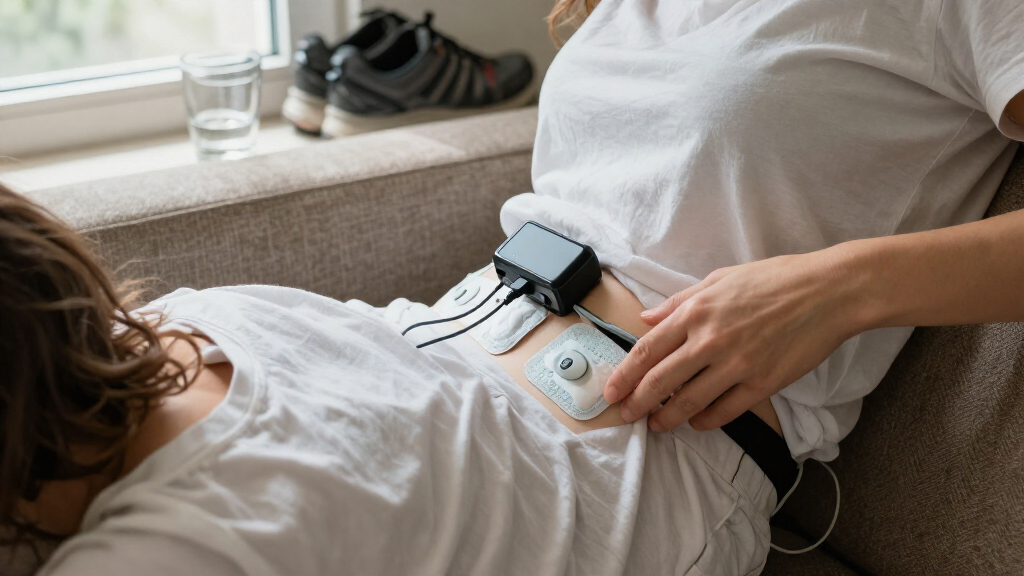
I compared these 15 units by how their design choices affect day-to-day use for pain-relief stimulation: controller access, wired versus wireless placement, mode and intensity adjustment, channel setup, included pad types, and portability. I also weighed practical ownership details such as rechargeable power versus a traditional battery-based format, pad replacement needs, and how much setup a user must manage. A long mode list mattered only when paired with controls that let a buyer make useful adjustments.
The ranking favors options with a clear balance of usable controls, flexible pad placement, and practical portability, rather than treating the largest number of modes or accessories as automatic wins. Specialty models rank higher for their intended use, not as universal choices; combination TENS/EMS devices are judged on whether their added function is worthwhile for someone focused on pain relief. Product names and listed features guide this comparison, but buyers should check current manuals and compatibility details before use.
Factors to Consider When Choosing Portable TENS Units For Pain Relief
Before choosing a portable unit, match its setup to where and how you plan to use it. A compact wireless model can reduce cable management, but a separate controller may make adjustments easier; extra pads help only if they fit your placement needs. These broader checks can help prevent buying a feature-rich device that feels awkward in your routine.
Choose Wireless Convenience or Direct Controller Access
Wireless units reduce leads between the controller and pads, which can make movement and clothing changes less cumbersome. That convenience may come with a different control experience: some designs put adjustments on the wearable unit, while wired systems keep controls in a separate hand-held device. Think through when you will change intensity or mode, not only how the device looks in a product photo. A controller with easy-to-reach buttons may be preferable if you expect to adjust settings during a session. Wireless placement can be less flexible if the control unit sits where it is hard to reach. Match the format to your routine rather than treating wireless as automatically better.
Prioritize Useful Adjustments Over the Largest Mode Count
Mode counts can make comparison charts look decisive, but a longer list does not show whether the controls are clear or the settings suit your preferences. Intensity range and the ease of making small changes may matter more than extra preset names. Before buying, check whether a unit lets you adjust each channel independently if you plan to place pads in separate areas. Some people prefer a short menu they can learn quickly; others may value a wider selection of stimulation patterns. Avoid choosing by mode count alone, especially when the manual does not explain what the settings do. A simple interface can be a practical advantage for regular use.
Match Channels and Pads to the Areas You Plan to Treat
Pad count and shape matter because placement needs vary by body area, and not every pad is designed for every location. A dual-channel setup can support more flexible placement than a single-channel configuration, but it may also involve more leads and setup. Specialty pads can simplify positioning for their intended areas, while standard pads are often more adaptable across different placements. Check the unit’s instructions for approved pad locations and whether replacement pads use a specific connector or size. A large pack of pads is not a benefit if the shapes do not suit your routine. Plan around the areas you intend to address rather than the accessory count.
Decide Whether You Need TENS Alone or a TENS/EMS Combination
Combo devices add EMS, a form of electrical muscle stimulation, alongside TENS functions. That added capability may appeal to buyers who have a separate, appropriate use for muscle stimulation, but it can make controls and menus more involved. If your goal is specifically pain-relief stimulation, focus on the TENS features, usability, and pad placement before paying attention to extra modes. Read the manual to understand how the device labels its functions and what each setting is intended for. Do not assume that combining functions makes a unit more effective for every user. A TENS-focused model may be the clearer choice when simplicity is the priority.
Check Power, Portability, and Ongoing Pad Needs
Portability means more than a compact shape: power source, charging habits, cables, and replacement pads all affect whether a unit is convenient to keep ready. Rechargeable models avoid routine battery swaps, while battery-powered designs may suit people who prefer replaceable power or do not want to wait for charging. Check what is included and how the manufacturer specifies compatible replacement pads before committing. Adhesive pads are consumables, and their fit and care affect how long they remain useful. A bigger accessory bundle may reduce initial setup but does not remove future replacement needs. Choose a power format you can maintain without adding friction to your routine.
Use Safety Guidance to Narrow the Field
TENS units are not suitable for every person or every body area, so read the device manual and follow its placement and use instructions. If you have an implanted electronic device, are pregnant, have a relevant medical condition, or are unsure whether stimulation is appropriate, ask a qualified healthcare professional before use. Avoid placing electrodes on areas the manual prohibits, and do not use a unit in situations where its instructions warn against it. Treat pain that is severe, persistent, or changing as a reason to seek clinical guidance rather than relying on a device alone. Also check that the product’s controls are understandable enough for you to use as directed. Safety and fit should outweigh extra modes or accessories.
Frequently Asked Questions
Should I choose a wireless TENS unit or a wired controller model?
Choose wireless if fewer leads and easier movement matter most to you, especially during ordinary at-home use. A wired controller can be a better match if you want the controls separate from the electrode placement or expect to make frequent adjustments. Wireless designs may make button access less convenient depending on where the unit sits, while wired models involve more cable management. Compare control placement and how each system attaches before deciding. The right format is the one you can operate comfortably and consistently.
Do I need dual channels or a large number of electrode pads?
Not necessarily; the answer depends on how many areas you want to address in one session and the placements permitted by the manual. Dual channels can offer more flexibility for connecting pads, but they can add setup steps and may not be useful if you only need a simple arrangement. More included pads can be helpful when their shapes and connectors match your needs, yet they do not guarantee better results. Check whether replacement pads are compatible and readily identifiable before purchase. Prioritize the layout you will actually use over a high accessory count.
Is a TENS/EMS combination unit a better choice for pain relief?
A combination unit is not automatically a better pain-relief choice simply because it includes EMS. The extra function may be useful to someone who has a separate reason to use muscle stimulation, but it can add controls and make the device less straightforward. If your main goal is TENS use, compare the TENS settings, intensity adjustments, and pad setup first. Read the instructions to understand which mode you are selecting and how it is intended to be used. A simpler TENS-focused model may suit buyers who want fewer choices to manage.
What should I check before buying replacement pads?
Confirm the pad dimensions, connector style, and stated compatibility with your specific unit rather than relying on a similar-looking product listing. Pad shape can affect placement, so a specialty shape may not substitute neatly for a standard pad or vice versa. Follow the manufacturer’s care instructions, since handling and storage affect the adhesive surface. Check whether the manual specifies when pads should be replaced and how to tell when they no longer adhere properly. Keeping compatible replacements available is part of the ongoing ownership cost and convenience.
Can I use a portable TENS unit without checking with a healthcare professional?
Some buyers may use a device according to its manual without individual guidance, but that is not appropriate for everyone. Ask a healthcare professional first if you have an implanted electronic device, are pregnant, have a relevant medical condition, or are uncertain about safe use. Follow the manual’s restrictions on electrode placement and situations where the device should not be used. A TENS unit should not replace evaluation of severe, persistent, or changing pain. When in doubt, get individualized advice before starting.
Conclusion
For the broadest mix of familiar controls and flexible use, I’d start with the AUVON 24-Mode TENS Unit as the best overall pick. Buyers seeking a strong feature set without moving to a wireless format can compare the AVCOO TENS EMS with 12 Electrode Pads as a value-oriented choice, while the OMRON Max Power Relief is the premium-minded option for shoppers who prefer an established, focused device format. Beginners may find the straightforward approach of the TENS 7000 easier to understand than combo models with more functions. For fewer cables, look at the Comfytemp Wireless 30-Mode; for targeted back, neck, and shoulder placement, consider the Comfytemp Specialized Pads. Choose by controls, placement, and power style—not mode count alone—and follow the product manual and appropriate medical guidance.