

Sexually transmitted infections (STIs) in women are common and often go unnoticed because many don’t show symptoms. If untreated, they can lead to serious issues like pelvic infections or infertility. Using condoms, getting tested regularly, and discussing health histories with partners help you stay protected. Vaccines for HPV and hepatitis B also lower your risk. Staying informed and proactive is key—keep exploring to discover more ways to protect your sexual health.
Key Takeaways
- STIs are common in women, often asymptomatic, making regular screening essential for early detection and prevention.
- Consistent condom use and limiting sexual partners significantly reduce STI risk in women.
- Vaccinations like HPV and hepatitis B provide protection against certain serious infections.
- Prompt medical treatment with antibiotics or antivirals effectively manages many STIs, preventing complications.
- Open communication with partners and healthcare providers promotes safer sexual practices and timely care.

Have you ever wondered how common sexually transmitted infections (STIs) are among women? Unfortunately, STIs are a widespread concern, affecting millions of women worldwide each year. Many of these infections go unnoticed because symptoms can be mild or absent altogether. That’s why understanding prevention strategies and treatment options is essential. Staying informed helps you protect your health and catch infections early if they occur.
Prevention strategies are your best defense against STIs. Consistent condom use greatly reduces your risk of contracting most infections. It’s also important to limit your number of sexual partners and communicate openly with them about STIs and testing. Regular screening is necessary, even if you feel healthy, because many infections are asymptomatic. Vaccinations can protect against certain STIs, such as HPV and hepatitis B, which are linked to serious health issues like cervical cancer and liver disease. Additionally, avoiding douching and practicing good genital hygiene can help maintain a healthy balance of bacteria, reducing susceptibility to infections. Educating yourself about your partner’s sexual health history and encouraging mutual testing before becoming sexually active with new partners can further lower your risk. These prevention strategies empower you to make informed decisions and stay ahead of potential health issues. Incorporating Glycolic Acid Benefits for Skin into your routine can also help maintain healthy skin, which is an often overlooked aspect of overall health.
Consistent condom use, vaccinations, open communication, and regular screenings are key to preventing STIs.
If you do get diagnosed with an STI, treatment options vary depending on the infection. Antibiotics are commonly prescribed for bacterial infections like chlamydia, gonorrhea, and syphilis. It’s important to complete the full course of medication, even if symptoms disappear, to guarantee the infection is fully cleared. Viral infections such as herpes and HIV have no cure, but antiviral medications can manage symptoms and reduce transmission risk. For HPV, treatments might include topical medications or procedures to remove warts, and vaccines can help prevent certain strains from causing health problems. Regular follow-up appointments are indispensable to confirm that the infection has been treated successfully. Seeking prompt treatment not only alleviates symptoms but also prevents complications like pelvic inflammatory disease, infertility, or increased HIV risk. Remember, many STIs are highly treatable when caught early, so don’t delay seeking medical care if you suspect an infection.
Ultimately, protecting yourself from STIs involves a combination of proactive prevention strategies and knowing your treatment options. Staying vigilant, practicing safe sex, and getting regular screenings are your most effective tools. If you’re diagnosed, following your healthcare provider’s advice and completing prescribed treatments will help you recover fully and reduce the chance of spreading the infection. Your health is worth prioritizing, and taking these steps gives you control over your sexual health and well-being.

Trojan Her Pleasure Latex Lubricated Condoms, Ribbed for a Stimulating Experience, Bulbous Shape for a Roomier Fit, Helps Reduce Risk of Pregnancy and Sexually Transmitted Infections (STIs), 12 count
12-count Trojan Her Pleasure lubricated latex condoms intensify pleasure and elevate intimacy with deep ribs, a bulbous shape…
As an affiliate, we earn on qualifying purchases.
As an affiliate, we earn on qualifying purchases.
Frequently Asked Questions
Can Women Transmit STIS to Their Babies During Childbirth?
Yes, women can transmit STIs to their babies during childbirth through vertical transmission. If untreated, this can lead to neonatal infections, which may cause serious health problems for the newborn. To reduce this risk, healthcare providers often screen for STIs during pregnancy and may prescribe treatment or recommend C-section if necessary. Early detection and management are vital to protect your baby’s health and prevent neonatal infection.
Are There Natural Remedies for Treating STIS in Women?
While some herbal treatments and dietary approaches claim to help, there’s no solid scientific evidence that they can cure STIs in women. You might try herbal remedies to support your immune system, but it’s essential to see a healthcare professional for proper diagnosis and treatment. Relying solely on natural remedies isn’t safe; antibiotics or other prescribed medications are necessary to effectively treat STIs.
How Often Should Women Get Screened for STIS?
Think of STI screening like regular oil changes for your car; it keeps everything running smoothly. You should get screened at least once a year, but your screening frequency depends on your risk assessment. If you’re sexually active with new or multiple partners, consider more frequent testing—every 3 to 6 months. Staying proactive helps catch infections early and protects your health, so don’t skip these essential check-ups.
What Are the Long-Term Health Effects of Untreated STIS?
If you leave STIs untreated, you risk chronic complications like pelvic inflammatory disease, which can cause permanent damage to your reproductive organs. You might also experience hormonal impacts that affect your menstrual cycle and overall health. Over time, these issues can lead to infertility or increased risk of ectopic pregnancies. Early detection and treatment are essential to prevent these long-term health effects and protect your wellbeing.
Do STIS Affect Fertility in Women?
When it comes to fertility impact, untreated STIs can be a wolf in sheep’s clothing, silently harming your reproductive health. They can cause pelvic inflammatory disease, leading to scarring of fallopian tubes, which blocks eggs from meeting sperm. This damage can make it harder to conceive, and in severe cases, cause infertility. Protecting your reproductive health means seeking timely treatment to prevent long-term consequences on your fertility.

The HPV Vaccine Controversy: Sex, Cancer, God, and Politics: A Guide for Parents, Women, Men, and Teenagers
Used Book in Good Condition
As an affiliate, we earn on qualifying purchases.
As an affiliate, we earn on qualifying purchases.
Conclusion
Understanding sexually transmitted infections in women is vital for your health. Did you know that women account for nearly 50% of new STI cases worldwide? Regular screenings and safe sex practices can considerably reduce your risk. Don’t wait until symptoms appear—being proactive keeps you healthy and informed. Stay aware of the risks and prioritize your well-being. Your awareness and actions make a real difference in preventing and managing STIs effectively.

Yoni Soap – pH Balance Feminine Wash for Odor Control & Hydration – Gentle Yet Effective Vaginal Wash for Daily Intimate Hygiene – Natural Cleansing & Moisturizing Vagina Soap for Women, Made in USA
SOOTHES | BALANCES | NOURISHES: This gentle Yoni Soap restores pH balance, calms irritation, relieves itch, and supports…
As an affiliate, we earn on qualifying purchases.
As an affiliate, we earn on qualifying purchases.
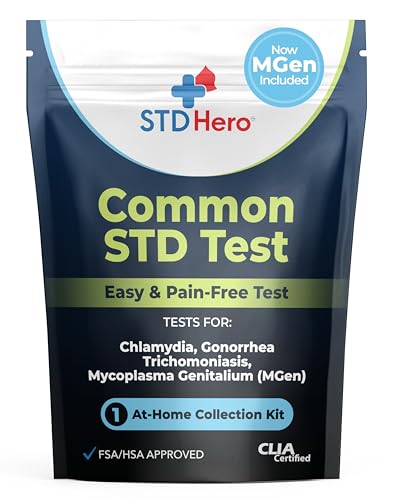
STD Hero At-Home Common STD Test Kit for Women and Men – Test for the Top Four STD's – Includes MGen – Private At-Home Collection – Simple, Discreet, Easy-to-Use with Fast Online Results
FOR WOMEN AND MEN: This private at-home kit is made for anyone wanting a simple way to support…
As an affiliate, we earn on qualifying purchases.
As an affiliate, we earn on qualifying purchases.