TL;DR

Get health and wellness essentials delivered free — and shop member deals
- Fast, free delivery on millions of items
- Access to Prime Big Deal Days deals on October 6–7
- Prime Video, Amazon Music and more included
Many women are self-testing their vaginal microbiomes at home to address health concerns or optimize bacterial balance. While the market is expanding rapidly, scientific support remains limited, raising questions about efficacy and safety.
Women are increasingly using at-home vaginal microbiome testing kits to monitor and improve their vaginal health, despite limited FDA approval and scientific consensus on their long-term effectiveness. This trend reflects a growing desire for personal health control and is fueled by online communities and social media sharing.
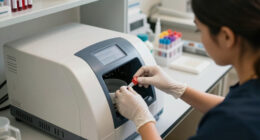
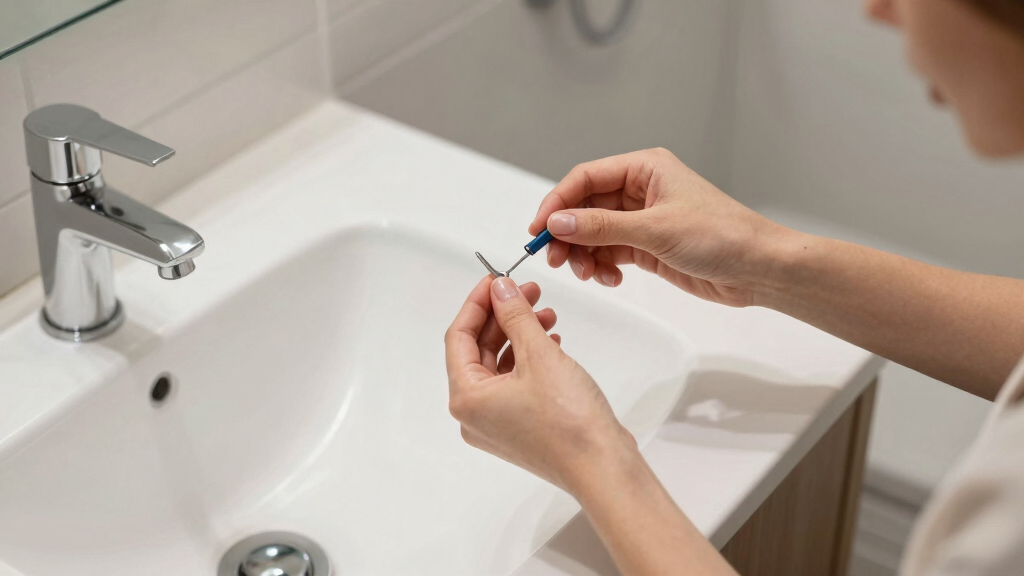
The market for at-home vaginal microbiome tests has surged, with companies like TinyHealth, Juno Bio, Daye, and Evvy reporting significant growth, especially after high-profile social media posts. These tests analyze bacterial composition, particularly the presence of Lactobacillus species, which are associated with vaginal health. Women use these results to treat infections, boost fertility, or simply satisfy curiosity. However, none of these kits are FDA-approved, and experts caution that current research does not conclusively support their long-term validity or health benefits. Some women report psychological impacts, including anxiety and obsession over bacterial ratios, as they interpret their results in online communities.
Why It Matters
This trend matters because it highlights a shift toward self-directed health management among women, potentially filling gaps left by traditional healthcare. However, it also raises concerns about the potential for misinformation, unnecessary anxiety, and unvalidated health claims. The lack of regulatory oversight and limited scientific research could impact women’s health decisions and outcomes.
at-home vaginal microbiome test kit
As an affiliate, we earn on qualifying purchases.
As an affiliate, we earn on qualifying purchases.
Background
The popularity of at-home vaginal microbiome testing is part of a broader movement toward personalized health tracking. The industry gained momentum after high-profile social media posts, such as Bryan Johnson sharing his partner’s microbiome report. Despite growing consumer interest, scientific research into the vaginal microbiome remains limited compared to the gut microbiome, partly due to gender bias in research funding and focus. Recurring bacterial vaginosis (BV) infections are common, and some women seek to optimize their bacterial balance to prevent recurrence or improve fertility. Experts like Hana Janebdar note that while women are eager to take control of their health, the scientific community has yet to establish standardized, evidence-based protocols for microbiome testing and intervention.
“I’m always striving, and I’m always in competition with myself to keep my bacterial levels optimal.”
— Kayla Barnes-Lentz
“While many of our customers struggle with health issues, over half are testing regularly to track fertility and prevent infections.”
— Priyanka Jain, Evvy CEO
“There’s been a historical research gap in women’s microbiome health, which is now starting to change as more women seek personalized insights.”
— Hana Janebdar, Juno Bio founder
women's vaginal health testing kit
As an affiliate, we earn on qualifying purchases.
As an affiliate, we earn on qualifying purchases.
What Remains Unclear
It remains unclear whether at-home vaginal microbiome tests provide reliable, long-term health benefits. The scientific community has not yet established standardized thresholds or treatment protocols, and FDA approval is pending. The psychological impacts and potential for misinformation are also areas of concern that require further study.
Lactobacillus probiotic supplements for women
As an affiliate, we earn on qualifying purchases.
As an affiliate, we earn on qualifying purchases.
What’s Next
Research efforts are expected to increase as scientific interest in the vaginal microbiome grows. Regulatory agencies may develop standards for these tests, and healthcare providers could begin integrating microbiome analysis into clinical practice. Meanwhile, consumer education on the limitations and appropriate use of these tests is likely to become a priority.
As an affiliate, we earn on qualifying purchases.
Key Questions
Are at-home vaginal microbiome tests scientifically validated?
Currently, none of these tests are approved by the FDA, and scientific research into their long-term accuracy and health benefits is limited.
Can these tests help prevent infections or improve fertility?
While some women believe they can, there is no conclusive scientific evidence that at-home microbiome testing directly prevents infections or enhances fertility.
Are there risks associated with self-testing and interpreting results at home?
Yes, misinterpretation of results can lead to unnecessary anxiety or inappropriate self-treatment, emphasizing the need for medical guidance.
Will these tests become part of standard medical care?
It is uncertain; further research, validation, and regulatory approval are needed before they are integrated into mainstream healthcare.
Fall Picks
fall essentials
As an affiliate, we earn on qualifying purchases.