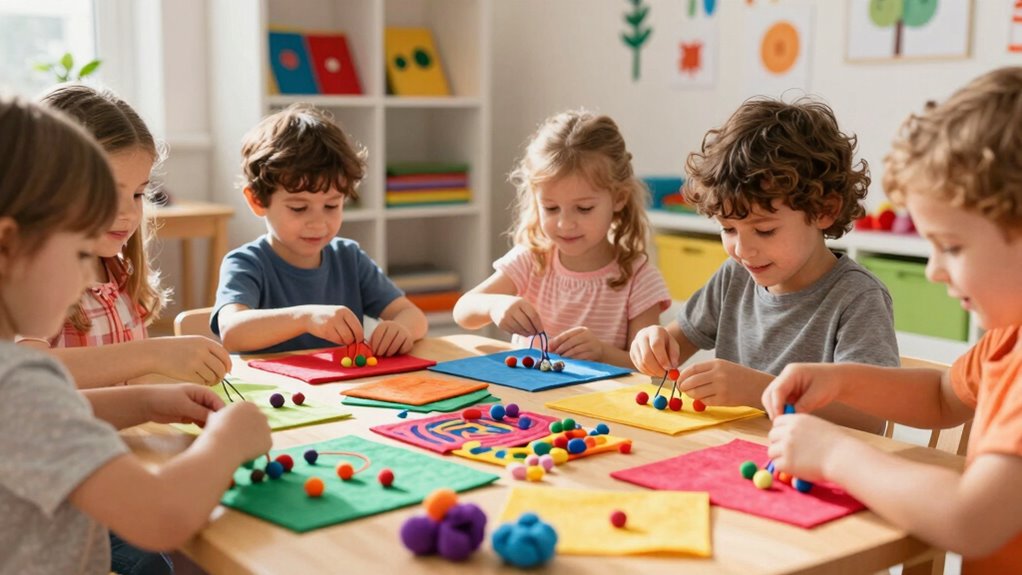

To introduce handwork through play, blend simple craft activities with sensory experiences like textured materials, scented beads, or colored rice. Encourage exploration with manipulatives like playdough, finger paint, and scissors, helping strengthen muscles and coordination. Use sensory bins and natural materials to boost tactile development and sensory integration. Making handwork fun and multisensory turns it into an engaging adventure. Keep exploring different materials and activities to deepen the learning experience and support skill development further.

Get health and wellness essentials delivered free — and shop member deals
- Fast, free delivery on millions of items
- Access to Prime Big Deal Days deals on October 6–7
- Prime Video, Amazon Music and more included
Key Takeaways
- Incorporate sensory-rich materials like textured fabrics, scented beads, and colored rice into simple craft activities.
- Use tactile play, such as squeezing, pressing, or manipulating materials, to strengthen hand muscles.
- Offer age-appropriate, easy-to-manipulate crafts that encourage exploration and fine motor skills.
- Set up sensory bins and stations to promote tactile exploration and hand-eye coordination.
- Integrate natural and textured materials to enhance sensory integration and make handwork engaging.
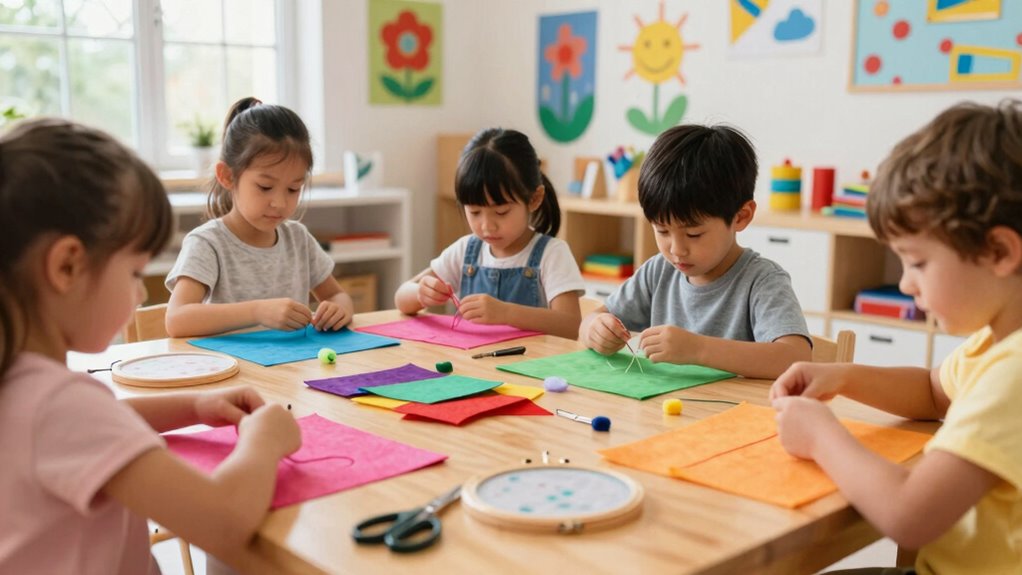
Ever wondered how to make handwork engaging for young children? The key is to blend craft activities with sensory play, creating a fun environment where kids naturally develop their fine motor skills. When you integrate sensory play into your approach, children experience handwork not as a chore but as an exciting adventure. For example, using textured materials like cotton balls, sandpaper, or slime during craft activities captures their attention and stimulates their senses, making the learning process enjoyable and memorable.
Start by offering simple, age-appropriate craft activities that encourage children to explore different textures and materials. Let them manipulate playdough, finger paint, or use small tools like scissors and glue. As they work, they’re strengthening their hand muscles and improving coordination without even realizing it. Incorporate sensory elements into these activities—such as adding scented beads to a craft or using colored rice as a base—so children can engage their senses while working with their hands. This multisensory approach keeps their interest high and promotes a deeper connection to the task. Additionally, understanding how color accuracy impacts their visual perception can help in creating more stimulating and engaging craft environments.
Encourage exploration with textured crafts, scented beads, and colorful rice to boost sensory engagement and fine motor skills.
You want to create an environment where children feel free to experiment and discover. Provide a variety of materials that stimulate the senses, and allow them to choose what they want to work with. For instance, set up a sensory bin filled with dried pasta, beans, or textured fabrics alongside craft supplies. When children pick and handle different materials, they’re naturally honing their fine motor skills and hand-eye coordination. As they press, squeeze, and manipulate these items, they develop the strength and dexterity necessary for more complex handwork later on. Incorporating sensory-rich materials can further enhance their engagement and tactile development. Using a variety of textures in different craft activities also helps children develop a more refined sense of touch, which is essential for more intricate manual tasks. Engaging multiple senses during play can also support sensory integration, making their handwork experiences even more effective. Recognizing the importance of natural materials, which can be easily integrated into sensory activities, can further enrich their tactile exploration.
As an affiliate, we earn on qualifying purchases.
Frequently Asked Questions
What Age Is Appropriate to Start Handwork Activities?
You can start introducing handwork activities around ages 3 to 4, when children in early childhood develop better fine motor skills. At this stage, they enjoy simple tasks like coloring, cutting, and stringing beads. These activities help strengthen their hand muscles and coordination. Keep activities fun and age-appropriate, encouraging exploration and creativity. As they grow, you can gradually introduce more complex handwork projects to support their developing fine motor abilities.
How Can I Adapt Handwork for Children With Special Needs?
Imagine you’re in a vintage workshop, customizing tools — that’s like adapting handwork for children with special needs. Use adaptive techniques like textured materials or large grips, and incorporate sensory integration to boost engagement. Break tasks into manageable steps, offer visual or tactile cues, and allow extra time. Your patience transforms handwork into an inclusive experience, empowering every child to develop fine motor skills and confidence at their own pace.
What Safety Precautions Are Needed During Handwork Play?
You should always wear safety gear like gloves or goggles when necessary, depending on the activity. Keep a close supervision tip in mind: monitor children constantly to prevent accidents, especially with sharp tools or small objects. Make certain the workspace is tidy and free from hazards. Clearly demonstrate proper techniques and stay nearby to guide and assist. Regularly check tools and materials for safety, emphasizing a safe environment for all during handwork play.
How Do I Encourage Creativity in Handwork Activities?
To encourage creativity in handwork activities, you should foster an environment that promotes creative exploration and artistic expression. Provide a variety of materials, tools, and open-ended projects that inspire kids to experiment and invent. Offer gentle guidance, ask open-ended questions, and celebrate their unique ideas. This approach helps children feel confident to explore their creativity freely, transforming handwork from a task into an exciting, personal artistic journey.
What Are Some Low-Cost Handwork Play Ideas?
You can create low-cost handwork play ideas by using everyday craft materials like scrap paper, yarn, or recycled fabric. Set up simple activity stations where kids can cut, glue, or weave. Encourage them to explore different textures and techniques without needing expensive supplies. These stations foster creativity and fine motor skills, making handwork engaging and accessible. Keep supplies organized and rotated to maintain excitement and variety in play.
As an affiliate, we earn on qualifying purchases.
Conclusion
As you gently guide your child’s tiny fingers through colorful threads and soft fabrics, you’re opening a world of imagination and skill. Picture their eyes lighting up as they create something unique—like a butterfly taking flight from your hands. With each playful stitch and joyful giggle, you’re nurturing patience and creativity. Handwork becomes more than just a task; it transforms into a delightful dance of exploration and growth, forging memories that will bloom long after the playdate ends.
scented beads for craft projects
As an affiliate, we earn on qualifying purchases.
As an affiliate, we earn on qualifying purchases.
colored rice for sensory activities
As an affiliate, we earn on qualifying purchases.
As an affiliate, we earn on qualifying purchases.
Fall Picks
fall essentials
As an affiliate, we earn on qualifying purchases.