
To prevent and manage osteoporosis in older adults, focus on increasing calcium intake through diet or supplements, engage in weight-bearing and balance exercises, and take steps to prevent falls, like securing rugs and installing grab bars. Regular check-ups for vision and medication management are also important. By combining proper nutrition, physical activity, and safety measures, you can strengthen your bones and reduce fracture risk. Keep exploring to discover more ways to support your bone health effectively.
Key Takeaways
- Maintain adequate calcium and vitamin D intake through diet and supplements to support bone density.
- Engage in weight-bearing and balance exercises to strengthen bones and reduce fall risk.
- Implement home safety measures like securing rugs and installing grab bars to prevent falls.
- Schedule regular health check-ups, including bone density scans and vision assessments.
- Avoid smoking and excessive alcohol consumption, which can weaken bones and impair balance.
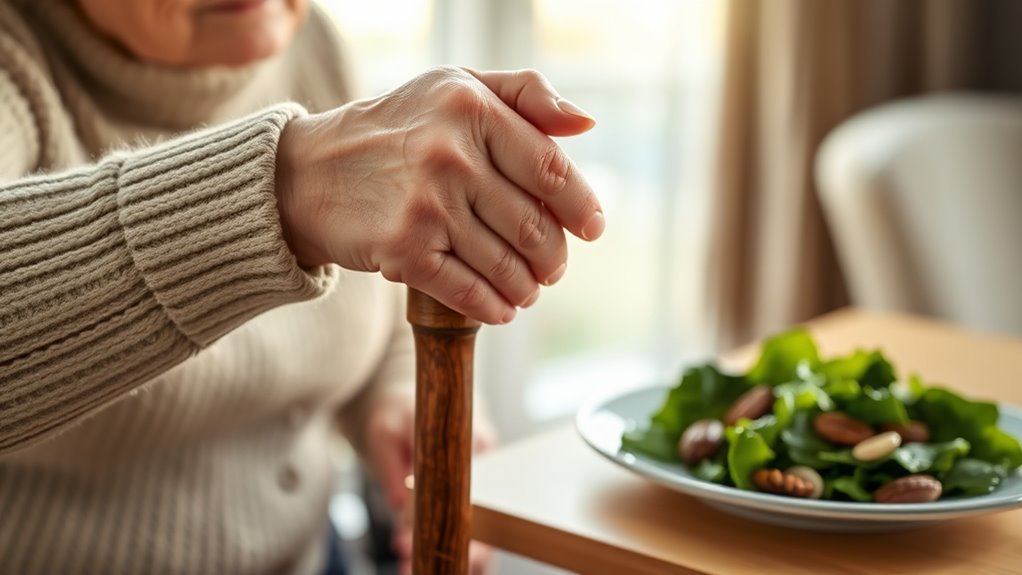
Osteoporosis is a common condition that weakens bones and increases the risk of fractures, especially in older adults. As someone concerned about maintaining bone health, you should focus on strategies that strengthen your bones and reduce your chances of falling. One of the most effective ways to do this is by ensuring adequate calcium intake. Calcium is an essential mineral that makes up a significant portion of your bone mass, and without enough of it, your bones can become fragile over time. You should aim to include calcium-rich foods in your diet, such as dairy products, leafy green vegetables, almonds, and fortified foods. If your diet isn’t enough, talk to your healthcare provider about calcium supplements, but always avoid excessive intake, which can have adverse effects.
In addition to increasing calcium intake, fall prevention plays a fundamental role in managing osteoporosis risk. Falls are the leading cause of fractures in older adults, and even minor falls can result in serious injuries when bones are weak. You can take practical steps to minimize your fall risk. Keep your living space clear of clutter, secure loose rugs, and install grab bars in bathrooms and along stairways. Proper lighting is essential, so make sure hallways and staircases are well-lit. Wearing shoes with good support and non-slip soles can also help prevent slips and falls. Regular exercise, especially weight-bearing and balance exercises, can improve your strength and coordination, making you less likely to fall. Activities like walking, tai chi, or gentle strength training can boost your stability and bone health simultaneously.
Engaging in appropriate physical activity tailored for seniors can further enhance your bone density and overall stability. It’s important to recognize that fall prevention isn’t just about physical modifications but also about being aware of your health. Regular vision and hearing check-ups can catch issues that might increase fall risk. Managing medications that cause dizziness or drowsiness is equally important, so consult your doctor if you notice side effects. Combining these fall prevention strategies with proper calcium intake creates a holistic approach to osteoporosis management.
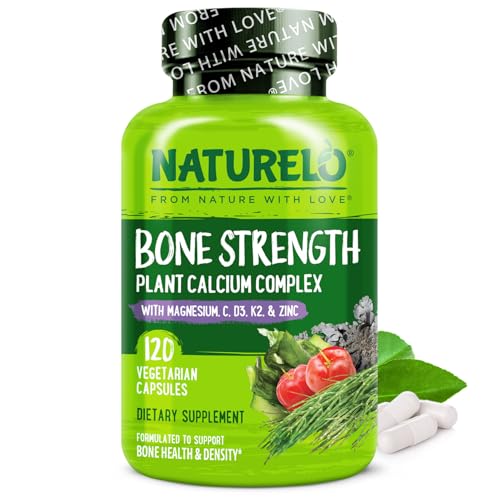
NATURELO Calcium Supplement – with Vitamin C, Vitamin D3, K2, and Calcium Magnesium Zinc for Bone Strength with Calcium 600mg – Plant-Based, 120 Vegetarian Capsules, Non-GMO, Soy & Gluten-Free
CALCIUM MAGNESIUM ZINC D3 SUPPLEMENT: NATURELO Bone Strength is a calcium, magnesium and zinc supplement enriched with plant-based…
As an affiliate, we earn on qualifying purchases.
As an affiliate, we earn on qualifying purchases.
Frequently Asked Questions
Can Osteoporosis Be Reversed Once Diagnosed?
Osteoporosis can’t be fully reversed once diagnosed, but you can improve your bone density through treatment. By increasing your calcium intake and engaging in weight-bearing exercises, you help strengthen bones and prevent further loss. Medications prescribed by your healthcare provider can also support this process. While the disease may not be curable, proactive management helps reduce fracture risks and maintains your overall bone health effectively.
Are There Natural Remedies That Effectively Prevent Osteoporosis?
You might wonder if natural remedies can effectively prevent osteoporosis. While herbal supplements like red clover and soy are popular, scientific evidence varies. Dietary strategies, such as consuming calcium-rich foods and maintaining vitamin D levels, play an essential role. Combining these approaches with weight-bearing exercises can help strengthen your bones naturally. Always consult a healthcare provider before starting any herbal supplements to guarantee they’re safe and suitable for you.
How Does Osteoporosis Affect Mental Health and Quality of Life?
Osteoporosis can notably impact your mental health and quality of life by causing fear of fractures and loss of independence. You might feel anxious or depressed as you worry about falling or worsening mobility. Emotional well-being suffers when chronic pain or fear of injury takes over daily routines. Addressing these mental health impacts is essential to maintaining a positive outlook and staying engaged in activities that support your overall well-being.
What Are the Latest Advancements in Osteoporosis Treatment?
You’re in for a surprise—advancements in osteoporosis treatment now focus on boosting bone density more effectively. New medications target bone resorption and formation, making fractures less likely. Innovative drugs like sclerostin inhibitors and tailored therapies promise stronger, healthier bones. These cutting-edge options redefine how you can manage osteoporosis, turning what once seemed inevitable into a condition you can control. Ironically, the latest treatments help you strengthen your bones while you still can.
Is Osteoporosis Risk Genetic or Environmentally Influenced?
Osteoporosis risk is influenced by both genetic predisposition and environmental factors. Your family history can increase your chances, but lifestyle choices like diet, exercise, and smoking also play vital roles. You can reduce your risk by maintaining a calcium-rich diet, engaging in weight-bearing exercises, and avoiding smoking and excessive alcohol. Understanding your genetic background helps tailor prevention strategies, but environmental factors are equally important in managing your bone health effectively.
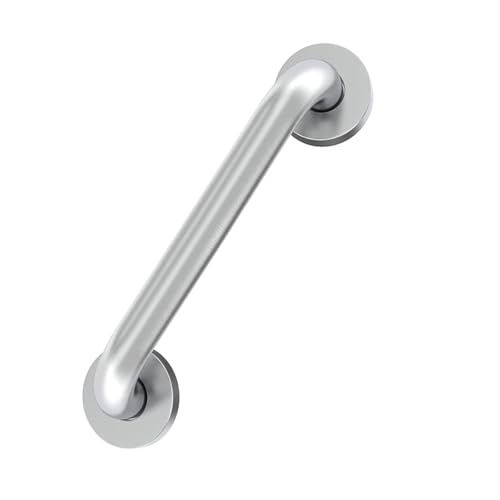
IJDD 12 Inch Shower Grab Bars for Seniors 304 Stainless Steel Brushed Non Slip Safety Bars for Showers and Walls, Fall Prevention and Handicap Support, Daily Balance Assistive Gifts for Elderly
HEAVY DUTY METAL GRAB BAR – Crafted from premium 304 stainless steel, this bathroom grab bar delivers exceptional…
As an affiliate, we earn on qualifying purchases.
As an affiliate, we earn on qualifying purchases.
Conclusion
By taking proactive steps, you can gently support your bones and maintain your strength as you age. Embracing healthy habits like proper nutrition, regular exercise, and routine check-ups helps you navigate life’s later chapters with confidence. Remember, subtle adjustments now can pave the way for a more comfortable future. With a mindful approach, you’re setting the stage for enduring resilience and well-being, allowing you to enjoy life’s moments with ease and grace.

Weight bearing exercise for seniors with osteoporosis: The Essential Guide to Safe and Effective Strength Training for Osteoporosis Using Low-Impact Weight Bearing Workouts to Reduce Fracture Risk
As an affiliate, we earn on qualifying purchases.
As an affiliate, we earn on qualifying purchases.

Dr. Lani's No-Nonsense Bone Health Guide: The Truth About Density Testing, Osteoporosis Drugs, and Building Bone Quality at Any Age
As an affiliate, we earn on qualifying purchases.
As an affiliate, we earn on qualifying purchases.