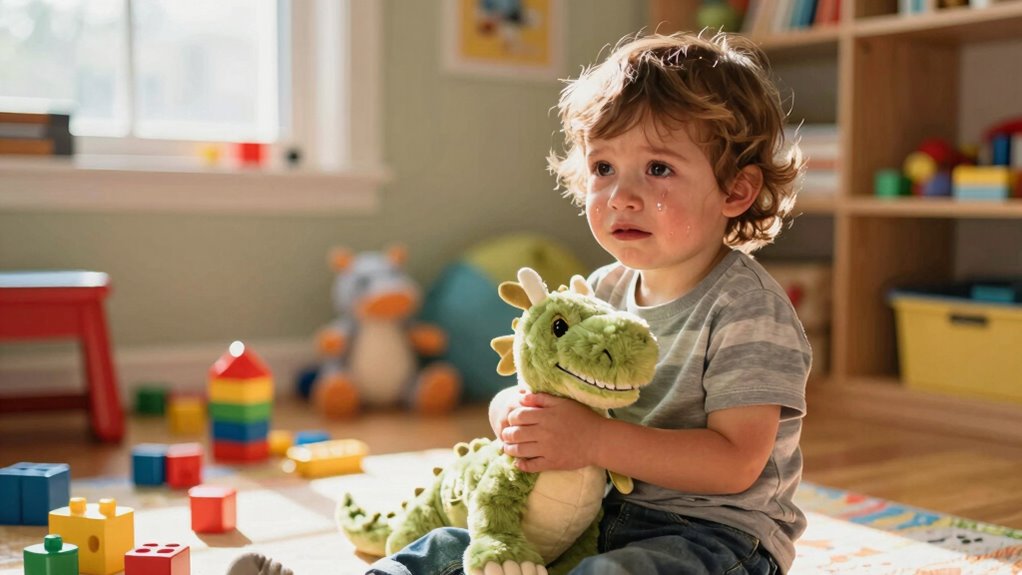

Play helps children process big emotions by providing a safe space for them to express feelings naturally through actions, gestures, and storytelling. It allows them to act out situations, which helps them understand and manage complex emotions indirectly. Play also reduces stress, builds confidence, and supports emotional resilience over time. Physical activities and outdoor experiences enhance calming effects. If you want to discover even more ways play supports emotional growth, keep exploring these helpful ideas.
Open a free Amazon Business account
Business pricing, bulk buying and tax-exempt orders.
As an affiliate, we earn on qualifying purchases.
Key Takeaways
- Play allows children to safely express and externalize complex emotions through actions, gestures, and storytelling.
- Engaging in imaginative play helps children process feelings indirectly and build emotional understanding.
- Physical activities during play release tension and reduce physical signs of stress, calming children.
- Play fosters emotional resilience by developing coping skills and supporting emotional growth over time.
- Sensory and outdoor play activities help regulate emotions and promote relaxation and well-being.
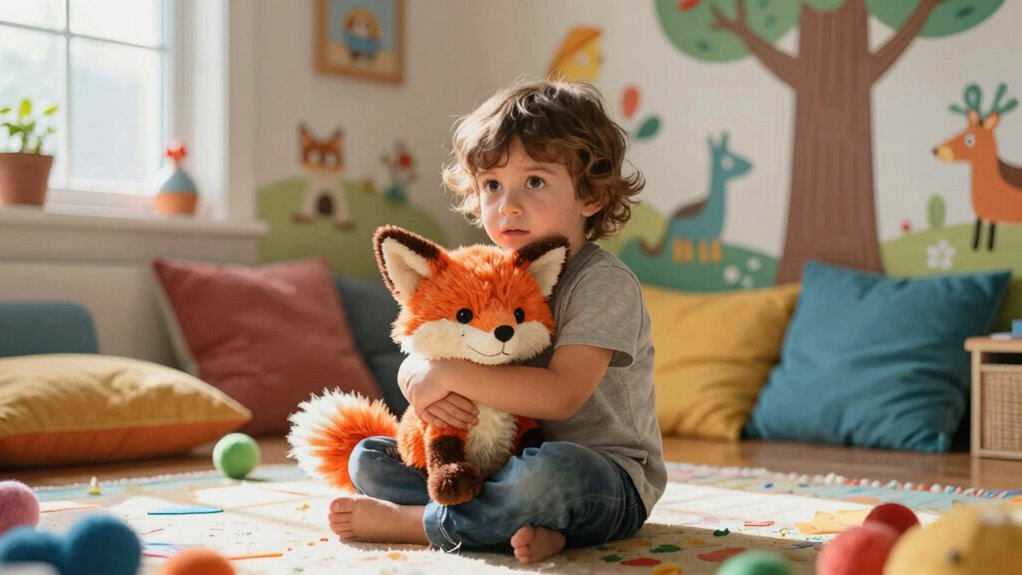
When children experience big emotions like fear, anger, or sadness, play becomes a powerful tool to help them understand and manage those feelings. During play, kids can express their emotions in ways that feel safe and natural. They might act out a situation that’s bothering them or use toys and stories to represent what they’re experiencing. This emotional expression isn’t just about talking; it’s about showing feelings through their actions, gestures, and stories. When you observe or encourage this, you’re helping your child process complex emotions without overwhelming them. Play allows children to externalize their feelings, making it easier for them to understand what they’re going through. It’s a form of emotional release that can reduce internal tension and help them feel more in control.
Play helps children express and understand big emotions safely, reducing stress and building emotional resilience.
Engaging in play also offers significant stress relief. When children are upset, their bodies often respond with physical signs of stress—clenched fists, rapid breathing, or tears. Play provides a distraction and a calming outlet that helps lower these physical responses. For example, through imaginative play, a child might act out a scene where they conquer a fear or solve a problem, which builds confidence and reduces anxiety. Physical activities like running, jumping, or dancing help release pent-up energy and tension, contributing to a sense of relaxation afterward. As they immerse themselves in play, children often forget about what’s bothering them temporarily, giving their minds and bodies a break from distress. Additionally, play fosters emotional resilience** by helping children learn to cope with challenging feelings over time. Incorporating natural settings and outdoor play can further enhance the calming effects and promote overall well-being. Research also shows that play-based learning supports emotional development and stress reduction in children. Furthermore, understanding how play influences emotional processing can guide caregivers in creating more supportive environments for kids. Including sensory play** activities can also help children regulate their emotions more effectively by engaging their senses in a calming way.
emotional regulation toys for children
As an affiliate, we earn on qualifying purchases.
As an affiliate, we earn on qualifying purchases.
Frequently Asked Questions
What Types of Play Are Most Effective for Emotional Processing?
You’ll find expressive arts and imaginative storytelling most effective for emotional processing. These play types allow children to express feelings creatively, helping them process big emotions in a safe space. As they draw, paint, or tell stories, they identify and explore their feelings, gaining clarity and relief. Engaging in these activities encourages self-awareness and emotional regulation, making them powerful tools for children to understand and manage their big emotions.
How Can Parents Encourage Healthy Emotional Play?
You can encourage healthy emotional play by providing creative outlets like art supplies, dolls, or role-playing games, which help children express feelings safely. Talk with your child to expand their emotional vocabulary, teaching them words to identify and describe emotions. Show understanding and patience during play, reinforcing that all feelings are valid. This support helps your child process big emotions constructively and build confidence in managing their feelings.
Are There Age-Specific Play Strategies for Emotional Development?
Yes, age-specific play strategies support emotional development effectively. For younger children, engage in sensory activities like textured play or soothing sounds to help them process feelings. For older kids, encourage imaginative scenarios that let them explore emotions through role-play and storytelling. These tailored approaches allow children to express and understand their emotions at each developmental stage, fostering resilience and emotional growth through play.
How Does Play Differ From Traditional Therapy for Emotions?
Imagine a child expressing sadness through drawing, which is a form of play therapy. Unlike traditional therapy, play allows children to process emotions indirectly and comfortably. Play therapy uses activities like storytelling or role-playing to encourage emotional expression, making it accessible for young kids. You see, play differs from traditional talk therapy by engaging children in a natural, expressive way that helps them explore feelings safely and creatively.
What Signs Indicate a Child Is Struggling With Big Emotions?
You’ll notice signs like frequent mood swings, difficulty calming down, or sudden outbursts, indicating a child struggles with emotion regulation. Behavioral cues such as withdrawal, clinginess, or aggressive actions also suggest they’re overwhelmed by big feelings. Pay attention to these signals, as they help you understand when a child needs support to process emotions healthily. Recognizing these signs allows you to guide them toward healthier emotional management.
imaginative play storytelling kits
As an affiliate, we earn on qualifying purchases.
As an affiliate, we earn on qualifying purchases.
Conclusion
Think of play as a safe harbor where your child can weather emotional storms. Through imaginative games and expressive activities, they navigate big feelings, turning chaos into clarity. Play acts like a sturdy bridge, helping them cross from confusion to understanding. By embracing play, you’re giving your child a trusted vessel to explore, process, and ultimately calm their emotions—transforming raw feelings into valuable growth opportunities.
sensory play activities for kids
As an affiliate, we earn on qualifying purchases.
As an affiliate, we earn on qualifying purchases.
outdoor play equipment for emotional growth
As an affiliate, we earn on qualifying purchases.
As an affiliate, we earn on qualifying purchases.
Fall Picks
fall essentials
As an affiliate, we earn on qualifying purchases.